Analysis of fuse base industry knowledge
May 21, 2026
The fuse base is a base device used to fix the fuse and provide electrical connections in the electrical system. It is one of the core structural components of the low-voltage fuse. Together with the fuse link and the support piece, it forms a complete fuse device. This term was approved by the National Scientific and Technical Terminology Approval Committee and included in the first edition of "Electrical Engineering Terminology". The base achieves electrical isolation through insulating materials to ensure reliable connection for normal current conduction.
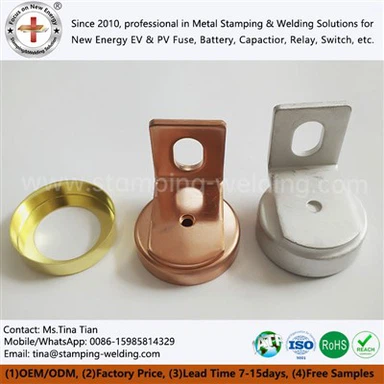
It also has the function of protecting against physical damage and environmental factors, making it easy to replace the fuse quickly after a fuse failure. In the overall design of the fuse base, the performance of the conductive contact parts directly determines the current-carrying stability and contact reliability of the circuit. Typical key parts include Contact Terminal for NH Fuse and Fuse Copper Holders, which bear the core task of connecting the fuse to external circuits with low resistance and high durability.

Structure and working principle
In terms of structure and working principle, the fuse base is an important part of the fuse device. Its main internal structure includes a conductive piece used to connect the power line and the load line, a fuse base made of insulating material to support and fix the conductive piece and isolate the circuit, a connecting screw for reliable connection of the wire, and a protective cover or cover equipped in some models to prevent accidental contact and provide environmental protection. Together, these structures achieve the core functions of fixing the fuse, providing electrical connections, achieving electrical isolation, protecting the fuses, and facilitating replacement.
It is worth emphasizing that the fuse base itself does not directly cut off the circuit. Its working principle is to provide a stable and reliable working platform for the melt. When a short circuit or overload occurs in the circuit, the excessive current causes the melt to overheat and melt, thereby cutting off the circuit. During this process, the fuse base ensures that the melt is firmly installed and achieves a reliable low-impedance connection with the circuit. Take the automotive fuse holder as an example. Its internal conductor is made of low-melting-point metal and its size is precisely calibrated. When the current reaches the rated value, it can generate enough heat to cause the conductor to fuse, thereby cutting off the circuit to protect subsequent equipment. In this type of application, special copper holders such as Copper Holders for Knife Type NH Fuse Links and Copper Holder for Knife Type Fuses need to take into account conductivity, thermal fatigue resistance, and matching accuracy with the base insulating shell to ensure that stable contact pressure can be maintained after multiple fuse replacements.
Manufacturing process
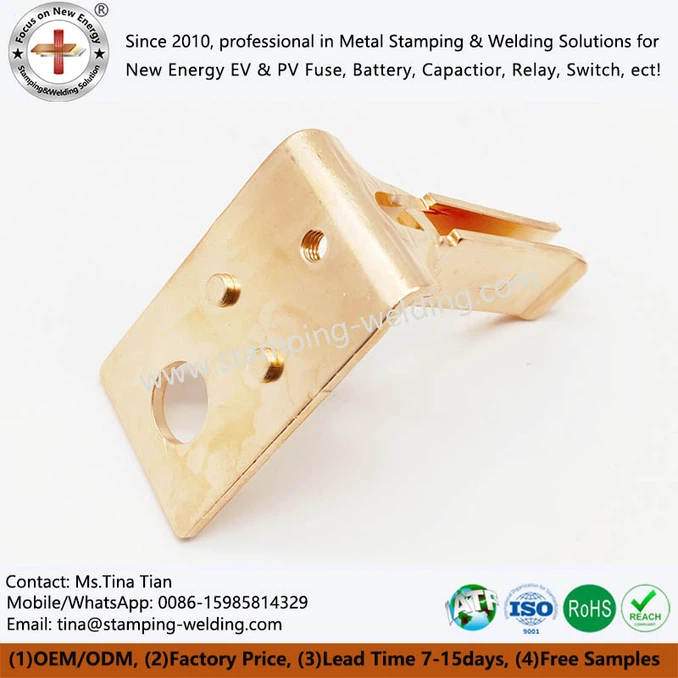
Materials and manufacturing processes are the core factors that determine the performance of fuse bases. There are obvious differences in material selection and process design for bases in different application scenarios. The core materials of low-voltage fuse bases mainly include insulating materials and conductive materials. The insulating materials must have the characteristics of high temperature resistance, arc resistance, and excellent insulation performance. Common ones include phenolic resin, ceramics, etc. For example, the insulating plate of the fuse base for charging piles is mostly made of phenolic resin. The applicable temperature range can reach -40°C to 120°C, and the insulation resistance is as high as 400MΩ. It can effectively resist the high temperature and voltage impact during the operation of the charging pile; the conductive material is preferably made of highly conductive and corrosion-resistant metal materials, such as pure copper, silver ribbon, etc. The internal conductor of the photovoltaic DC fuse base is mostly made of silver ribbon or pure copper ribbon. In terms of manufacturing process, the fuse base adopts a standardized and refined production process. From material screening, molding, assembly to testing, every process is strictly controlled to ensure that the product size is accurate, the structure is solid, and the performance is stable. As the core conductive component of the base, the processing accuracy of the Fuse Copper Knife directly affects the overall performance of the base.

application scenarios
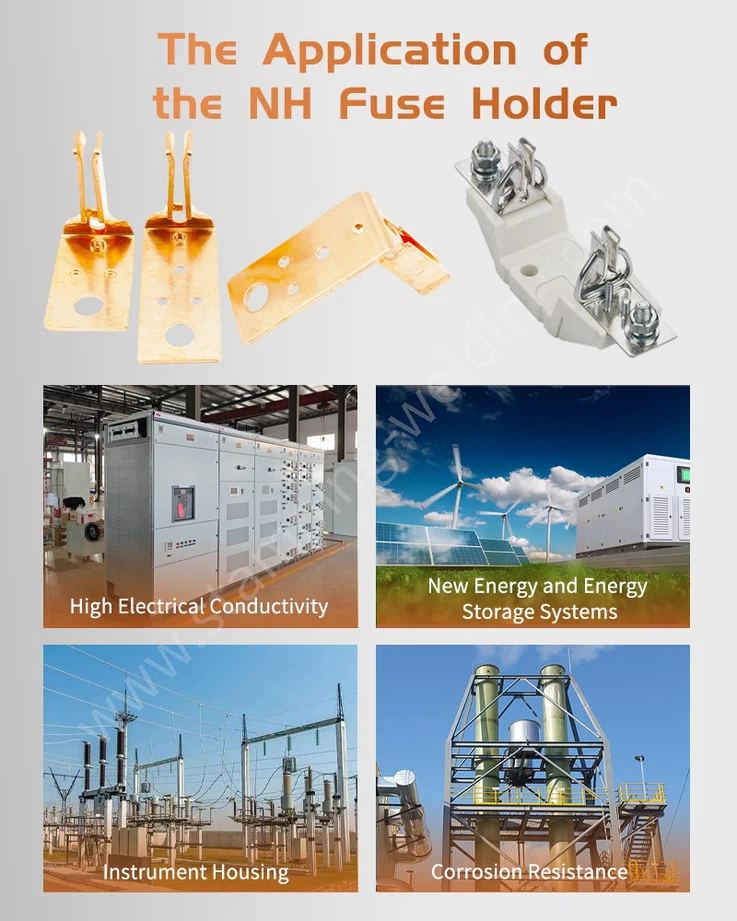
The application scenarios of fuse bases are very wide, covering many industries such as industry, new energy, automobiles, construction, petrochemicals, machinery, metallurgy, communications, etc. Among them, industrial automation control systems, switchboards, photovoltaic power generation systems, charging piles, and automotive circuits are its core application scenarios. In photovoltaic power generation systems, special high-voltage DC fuse bases need to be selected to ensure that they can withstand the high-voltage DC environment of the photovoltaic system and ensure the safe operation of photovoltaic equipment; in automotive circuits, automotive fuse bases (fuse holders) are used to protect automotive circuits and various electrical equipment.
They must comply with automotive regulations and have high temperature resistance and vibration resistance. Advantages of mobility; in the charging pile scenario, the dedicated fuse base needs to adapt to the working characteristics of the charging pile and be able to withstand frequent current fluctuations and high-temperature impacts; in the general industrial scenario, the modularly designed fuse base can simplify the installation process. Its compact size and ease of use can meet the efficient installation needs of industrial automation production lines. The Pure Copper Knife for NH Fuse produced by our company is adapted to the NH fuse base and can be used in many scenarios such as industry and new energy. It has excellent conductive performance and durability.
contact us
We focus on the R&D and manufacturing of high-quality fuse components, providing a full range of precision products including Copper Holder for Fuse Bases. Relying on advanced processing technology and strict quality control system, our products can meet stringent engineering requirements in terms of electrical conductivity, mechanical strength and corrosion resistance, providing stable and reliable power protection solutions to customers around the world.