


Full analysis of ceramic metallization technology: from core principles to high-end manufacturing processes
May 20, 2026
Basic principles
Ceramic metallization is a surface treatment technology that covers the surface of ceramics with a metal coating, which can significantly improve the mechanical properties, corrosion resistance and electrical conductivity of ceramic materials. This technology is widely used in high-tech fields such as electronics, aviation, and military industry. Its core principle is to use chemical reactions or physical vapor deposition methods to form a uniform and well-adherent metal coating on the ceramic surface. Specifically, the chemical reaction method uses chemical reduction or reduction and oxidation processes to generate compounds of copper, nickel and other metals on the ceramic surface, which are then converted into dense metal coatings through heat treatment or reduction reactions; the physical vapor deposition method uses high-temperature plasma to vaporize metal atoms, and then deposits a metal film on the ceramic surface. This method has the advantages of fast deposition speed and a uniform film layer, but requires high equipment investment and technical requirements. Among the above-mentioned types of processes, Metallized Ceramics is the collective name for the final product, and its quality directly depends on the interface bonding strength and microstructure uniformity between the metallized layer and the ceramic matrix.
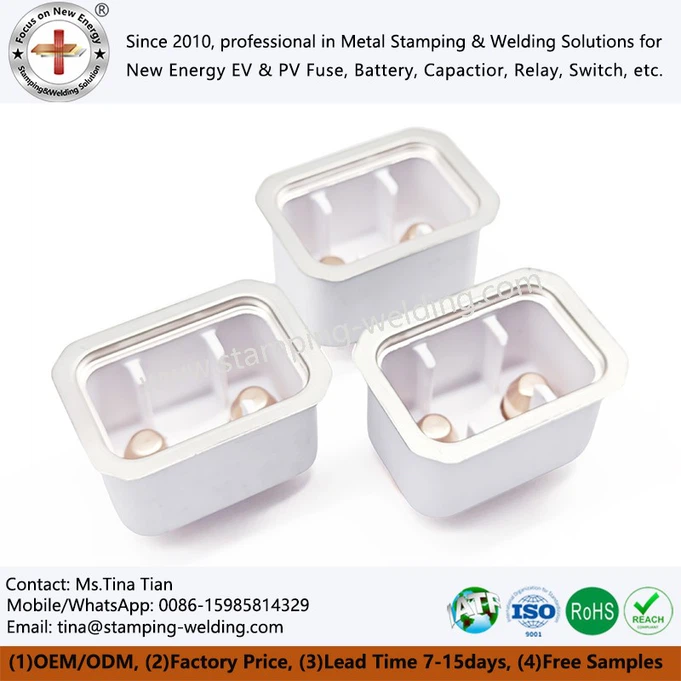
Process flow
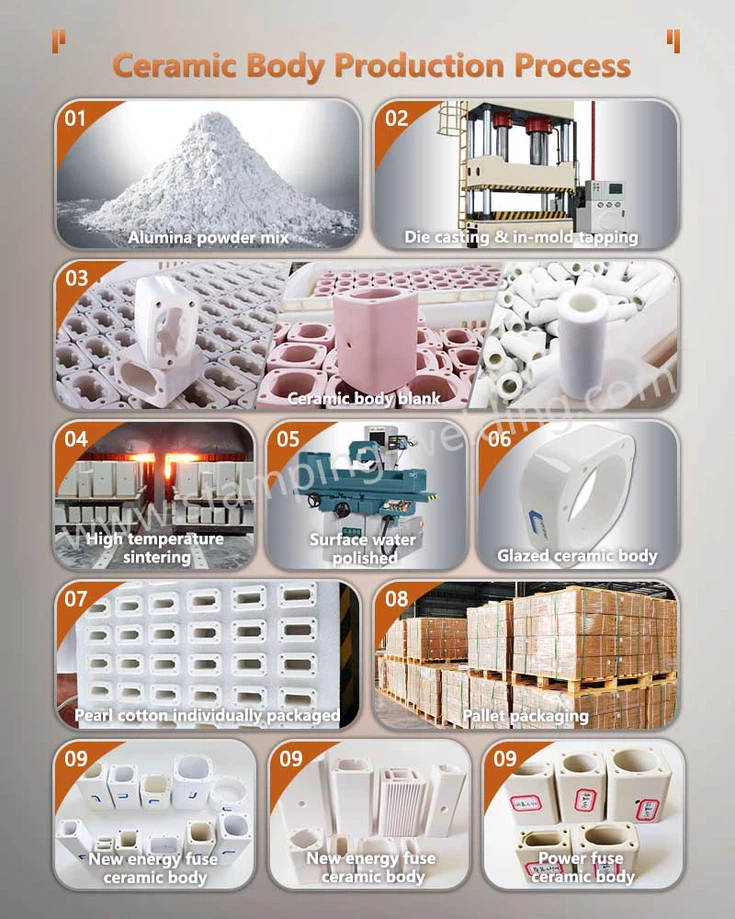
The complete process flow of ceramic metallization usually includes the following key steps. The first is the cleaning process. The ceramic surface to be treated is thoroughly cleaned to remove surface dirt, grease and other impurities. Ultrasonic cleaning is generally performed using organic solvents or alkaline cleaning agents. The second step is the pretreatment step, which involves chemical or physical treatment of the cleaned ceramic surface, such as oxidation treatment, copper plating or anodizing, etc., so that the metal coating can be firmly adhered to the ceramic surface. This is followed by the metallization coating process, which uses techniques such as electroplating, chemical reduction or physical vapor deposition to evenly coat the metal coating on the treated ceramic surface.
Afterwards, heat treatment is carried out, and the ceramic surface coated with metal is heat treated under specific temperature and time conditions to form a stronger chemical metallurgical bond between the metal coating and the ceramic surface. The heat treatment temperature and time vary according to the metal coating and ceramic materials. The last step is the finishing process, in which the metallized ceramic products are subjected to subsequent processes such as cleaning, testing and packaging to form finished products that meet technical specifications. Throughout the entire process, the process parameter control of ceramic metallization, especially the heat treatment temperature curve and atmosphere conditions, has a decisive impact on the adhesion and compactness of the metallization layer.
Structural composition details
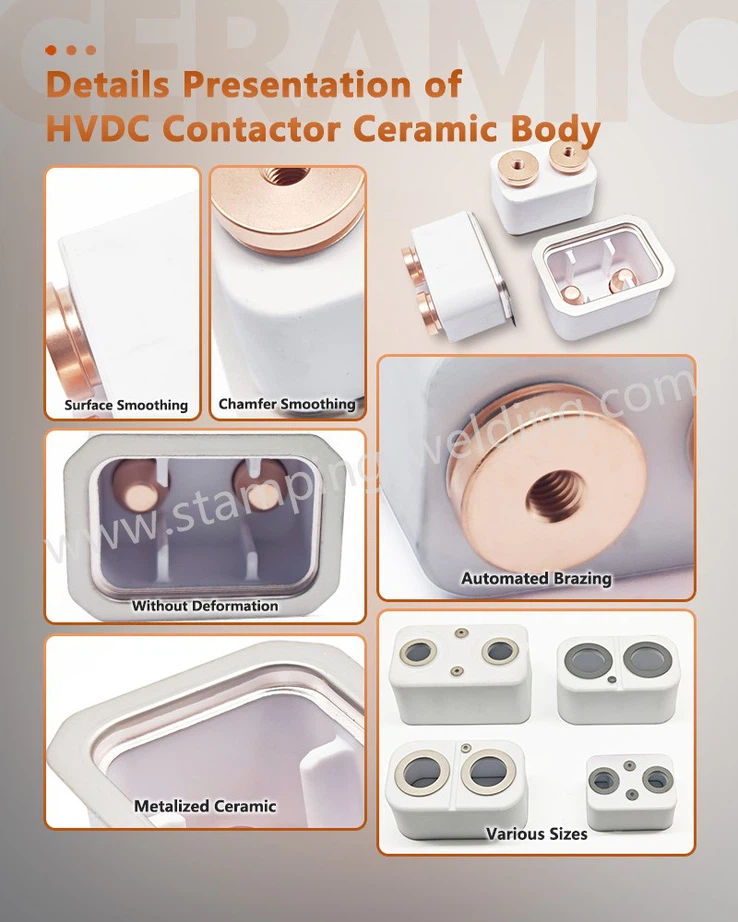
Metallized ceramic substrates are key materials in the field of modern electronic packaging. By firmly adhering a metal film to the ceramic surface, the efficient combination of ceramics and metals is achieved. This special structure enables the metallized ceramic substrate to combine the excellent insulation and heat resistance of ceramics with the high electrical and thermal conductivity of metal, making it an ideal choice for high-power electronic devices, LED packaging, automotive electronics and other fields. From a structural point of view, a typical metallized ceramic substrate consists of three parts: ceramic substrate, metallized transition layer and surface metal conductive layer. Ceramic substrates usually use materials such as 96% white alumina ceramics, 93% black alumina ceramics, aluminum nitride ceramics or silicon nitride ceramics.
These ceramic materials are prepared into the required shape and size through processes such as tape casting. The metallized transition layer is the key to achieving a tight combination of ceramics and metals. Its composition and structure vary depending on the process method and may contain active metal elements such as molybdenum, manganese, and titanium. The outermost metal conductive layer is mostly made of highly conductive metals such as copper, silver, and gold, with thicknesses ranging from a few microns to hundreds of microns, depending on specific application requirements. In semiconductor power module packaging, Metallization Ceramic is a core component of the insulating heat dissipation substrate. The adhesion and thermal cycle reliability of its metallization layer directly determine the overall service life of the module.
Material selection and future trends
In terms of material selection, Alumina Metallized Ceramics has become the most widely used metallized ceramic substrate due to its excellent mechanical strength, chemical stability and mature preparation process. High-purity aluminum oxide (such as 99.6% Al₂O₃) is particularly outstanding in high-frequency and high-reliability applications, while aluminum nitride and silicon nitride have advantages in ultra-high thermal conductivity and thermal shock resistance. The manufacturing of Precision Metallized Ceramics also requires strict control of grain size, surface roughness and metal layer thickness to ensure stability in high power and high frequency environments. As electronic devices develop towards miniaturization and high power density, metallized ceramic technology is evolving towards higher precision, higher reliability and multi-functional integration.
Alumina ceramic parts precision machining is crucial in the preparation process before metallization. Its dimensional accuracy and surface quality directly affect the uniformity and bonding strength of the metallization layer. The application of technologies such as precision grinding, laser processing and ultrasonic cleaning enables ceramic substrates to meet micron-level assembly requirements. Metallized Alumina Ceramics for Electrical Components achieve long-term reliability in high and low temperature cycles, strong current surges and harsh environments by optimizing metallization formulas and process parameters. In the future, with the rapid development of new energy vehicles, 5G communications, aerospace and other fields, metallized ceramic technology will continue to make breakthroughs in material innovation, process integration and performance improvement, providing more solid technical support for high-end electronic packaging.
contact us
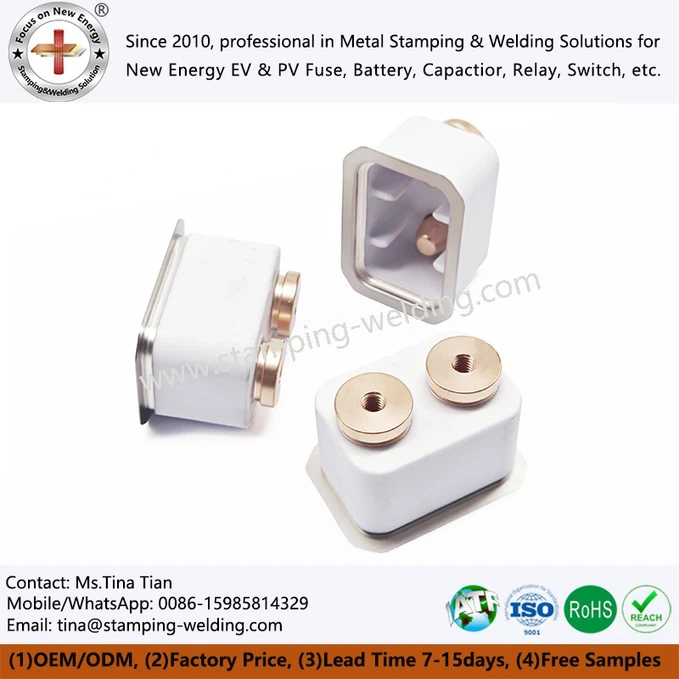
If you are looking for an HVDC contactor ceramic enclosure solution provider that combines high thermal conductivity, high insulation, and high reliability, please feel free to contact our engineering team to discuss the optimal implementation plan for your project.


