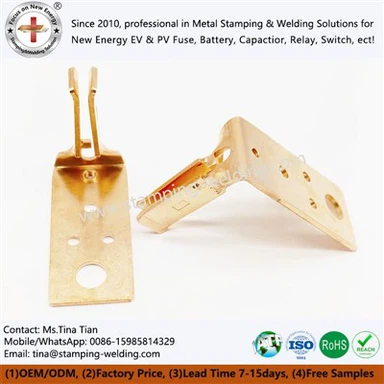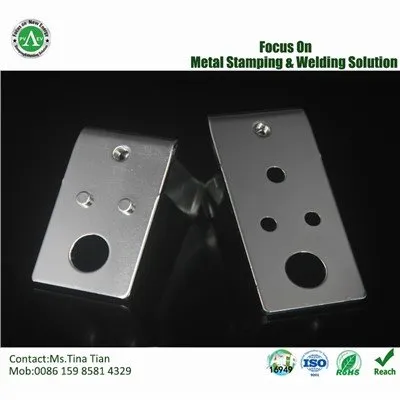


Copper End Bell for NH Fuse
Copper end bell for NH fuse is a crucial component that provides reliable and effective current regulation and distribution in high voltage power systems.
- Fast Delievery
- Quality Assurance
- 24/7 Customer Service
Product Introduction
PRODUCT INTRODUCTION
Copper end bell for NH fuse is a crucial component that provides reliable and effective current regulation and distribution in high voltage power systems.

PRODUCT FUNCTIONS
--
- Current Regulation: Copper End Bell for NH Fuse acts as a current limiter, regulating the flow of electrical current in the circuit. It helps to maintain the desired current levels in the system, preventing excessive current from damaging the NH fuse or other components.
- Voltage Distribution: Copper end bell distributes the voltage evenly across the NH fuse, reducing the voltage gradient within the system. This ensures that the fuse experiences uniform voltage levels, enabling it to function effectively and safely.
- Electrical Isolation: Copper end bell provides electrical isolation between the NH fuse and other components in the circuit. Isolation helps to prevent current leakage and ensures that the fuse operates independently of other components, protecting it from electrical interference and damage.
- Current Interruption: Copper end bell supports the current interruption capability of the NH fuse. When the fuse is tripped due to an overcurrent condition, the copper end bell helps to quickly interrupt the flow of current, protecting the system from damage.
- Heat Dissipation: Copper end bell efficiently conducts heat generated by the NH fuse, helping to dissipate heat and maintain safe operating temperatures. This ensures that the fuse performs optimally, reducing the risk of overheating and potential damage.
- Mechanical Support: Copper end bell provides mechanical support to the NH fuse, holding it securely in place within the circuit. This helps to prevent movement or vibration of the fuse, which could result in damage or poor performance.

PROCESSING TECHNOLOGY
--
- Copper Ingots: The initial step involves the production of copper ingots using copper concentrate, which is primarily cleaned, smelted, and cast into ingots.
- Hot Rolling: The copper ingots are reheated and hot rolled to obtain the desired shape and thickness of the copper sheet.
- Annealing: The hot-rolled copper sheet is annealed to improve its mechanical properties and electrical conductivity.
- Forming: The annealed copper sheet is then formed into the desired shape of the copper end bell using a variety of processes, including die stamping, deep drawing, and embossing.
- Electroplating: The formed copper end bell undergoes electroplating to enhance its corrosion resistance and provide a smooth, conductive surface.
- Assembly: The copper end bell is then assembled onto the NH fuse, typically by threading or soldering, to form a complete high voltage fuse assembly.
- Testing and Inspection: Finally, the completed fuse assembly undergoes testing and inspection to ensure its performance and safety standards.
PRODUCT INSPECTION
--
- Material: The material of the Copper End Bell for NH Fuse should be suitable for high voltage applications and comply with the requirements of the NH fuse manufacturer. The chemical composition and mechanical properties of the copper should be within specified limits to ensure proper performance.
- Dimensions: The dimensions of the copper end bell should be accurate and within the tolerance range specified by the manufacturer. Measurements should be taken to check the thickness, diameter, and other critical dimensions.
- Shape and Form: The copper end bell should have the correct shape and form to fit properly onto the NH fuse. any imperfections or deformation may affect the performance of the fuse assembly.
- Surface Quality: The surface of the copper end bell should be smooth and free of impurities, scratches, dents, and other defects that could affect its performance.
- Electrical Conductivity: The electrical conductivity of the copper end bell should be sufficient to ensure reliable current regulation and distribution within the NH fuse system. Electrical tests are conducted to measure the conductivity and confirm its compliance with the manufacturer's requirements.
- Mechanical Strength: The copper end bell should have sufficient mechanical strength to withstand the forces encountered during installation, operation, and any potential shock or vibration conditions. Testing is conducted to evaluate its tensile strength, yield strength, and hardness.
- Corrosion Resistance: The copper end bell should have a sufficient level of corrosion resistance to withstand the environmental conditions in which it will be used, such as moisture, salt spray, and other corrosive agents. Corrosion testing is conducted to ensure its long-term durability.
- Safety Standards: The copper end bell should comply with relevant safety standards and regulations to ensure its safe operation within the NH fuse system. Tests may be conducted to evaluate its ability to withstand short-circuit currents, interruption capacity, and other safety-related parameters.
OUR ADVANTAGES
--
We have more than 18 years of metal stamping experience and 7 years of various welding technology experience. We have established business relationships with China's top 10 Fuse manufacturers, such as CHINA Bussmann, Sinofuse, Chnbel, etc. And completely imported top MIYACHI welding equipment, such as laser welding, resistance welding, brazing, micro-arc welding,sub-arc welding, TIG welding, and other welding processes; provide customers with different welding services and process validation.
OUR CUSTOMERS
--

CONTACT US

Hot Tags: copper end bell for nh fuse, China, manufacturers, suppliers, factory, Clip For Fuse Holders, Fuse Copper T2Y2 Bases, Fuse Copper T2Y2 Holders, Knife Fuse Holder, NH Fuse Knife, Upper And Lower Sockets For Fuse