How Lithium Battery Aluminum Cases Enhance Thermal Management for Long-Lasting Battery Performance
Sep 29, 2025
Products Description
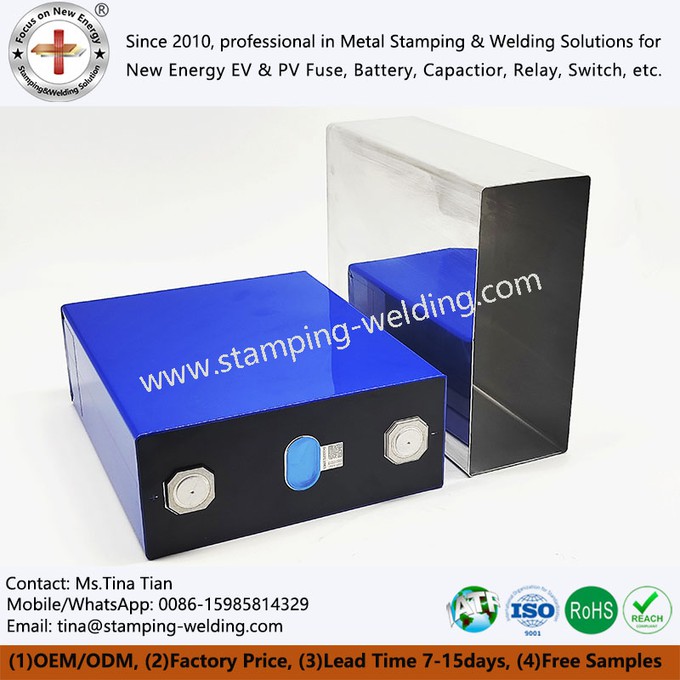
As the global new energy industry accelerates-with electric vehicles (EVs) and energy storage systems (ESS) becoming mainstream-one critical factor determining battery performance and lifespan often takes center stage: thermal management. Lithium-ion batteries, the backbone of modern new energy devices, are highly sensitive to temperature: operating above 45°C or below -20°C can reduce their cycle life by 30–50%, increase safety risks (such as thermal runaway), and degrade energy density over time. While cooling fans, heat sinks, and thermal interface materials play roles in thermal management, the lithium battery aluminum case-the outermost "protector" of the battery-has emerged as a unsung hero. More than just a structural shell, it acts as a passive thermal regulator that dissipates heat efficiently, retains optimal temperatures, and safeguards battery cells.
Why Thermal Management Is Non-Negotiable for Lithium Batteries
Lifespan Degradation: Every 10°C increase in battery operating temperature (above 25°C) can halve the battery's cycle life. For example, a typical EV battery with a 1,500-cycle lifespan at 25°C may only last 750 cycles if it consistently operates at 35°C. Poor thermal management turns a 8-year battery lifespan into just 4 years-costing consumers and operators thousands in replacement costs.
Safety Risks: Overheating is the leading cause of lithium battery thermal runaway, a phenomenon that can lead to fires or explosions. In 2023, the U.S. National Highway Traffic Safety Administration (NHHTSA) reported over 200 EV fire incidents linked to inadequate battery cooling, many traced to inefficient heat dissipation from battery enclosures.
Performance Loss: High temperatures reduce a battery's ability to store and deliver energy. An EV battery operating at 50°C may lose 15–20% of its range, while a residential energy storage battery at the same temperature may fail to power a home during peak outages. Cold temperatures are equally problematic, slowing down charging speeds and limiting energy output.
The Thermal Advantages of Aluminum: Why It Outperforms Steel and Plastic Cases
Superior Thermal Conductivity: Aluminum Battery Casing has a thermal conductivity of 205 W/(m·K), far higher than steel (50 W/(m·K)) and plastic (0.2–0.5 W/(m·K)). This means aluminum cases can transfer heat from battery cells to the external environment up to 4x faster than steel and 400x faster than plastic.
Uniform Heat Distribution: Unlike steel (which has uneven heat transfer due to its crystalline structure) and plastic (which traps heat in hotspots), Battery Shell distributes heat evenly across its surface. This prevents "hotspot formation"-localized areas of extreme temperature that accelerate cell degradation. In lab tests, batteries in EV Car Battery Shells showed a temperature variation of just 3–5°C across cells, compared to 8–12°C for steel and 15–20°C for plastic.
Dual Thermal Regulation: Aluminum Battery Casing doesn't just dissipate heat-it also retains warmth in cold environments. Its low specific heat capacity (0.91 J/(g·K)) allows it to absorb and retain heat from the battery's normal operation, keeping cells above the critical -20°C threshold in cold climates. For EVs in regions like Canada or Northern Europe, this means faster winter charging and no loss of range due to cold-related performance drops.

How Aluminum Cases Are Engineered for Optimal Thermal Management
Thin-Walled but High-Strength Structures: Modern lithium battery aluminum cases use 6061 or 6063 aluminum alloys, which allow for thin walls (0.8–1.2mm) while maintaining tensile strength of 260MPa+. Thin walls reduce thermal resistance-heat doesn't have to travel through thick material to escape-while high strength ensures the Power Battery Cover Plate can withstand impacts (critical for EVs).
Integrated Heat Dissipation Channels: Many Battery Shells feature laser-etched micro-channels (0.5–1.0mm wide) on the inner or outer surface. These channels act as "heat highways," guiding excess heat from cell surfaces to the case's exterior. In high-power ESS batteries (used in data centers or grid storage), these channels can reduce internal temperatures by 8–10°C during peak operation.
Thermal Interface Compatibility: Battery Aluminum Cases are designed to work seamlessly with thermal interface materials like graphite pads or thermal grease. Unlike plastic, Power Battery Cover Plate's smooth surface (Ra ≤0.8μm) ensures full contact with TIMs, eliminating air pockets that block heat transfer.
Passive Cooling Enhancement: For EV battery packs, Power Battery Cover Plates are often paired with liquid cooling loops or heat sinks-but it acts as a passive cooler. The Battery Shell's large surface area (optimized for each battery size) increases heat exposure to air, while its lightweight design (40% lighter than steel) doesn't add extra weight that would impede vehicle efficiency.
Real-World Impact: Case Studies of Aluminum Cases Boosting Battery Lifespan
EV Application: A leading Chinese EV manufacturer replaced steel battery cases with our lithium prismatic cells Aluminum shell in its A-Class sedan. After 2 years of real-world testing, the EVs showed just 8% battery capacity degradation, compared to 15% for models with steel Battery Shells. Drivers also reported no summer range loss (even in 38°C heat) and 10% faster winter charging.
Energy Storage Application: A European ESS provider used our New Energy Aluminum Battery Cases in a 500kWh grid storage system. Over 18 months, the system maintained an average operating temperature of 32°C (well below the 45°C threshold), and battery cycle life was extended by 40% compared to the provider's previous plastic-case systems. This reduced replacement costs by €20,000 per system over 5 years.
Consumer Electronics Application: A global smartphone brand adopted miniaturized Customized Prismatic Battery Cell Casings for its wireless headphone batteries. The EV Car Battery Shells dissipated heat from fast charging (10-minute full charge) so effectively that the headphones' battery lifespan increased from 2 years to 3 years, reducing customer complaints about battery degradation by 60%.
Products Description