In-depth analysis of stainless steel welding technology
May 13, 2026
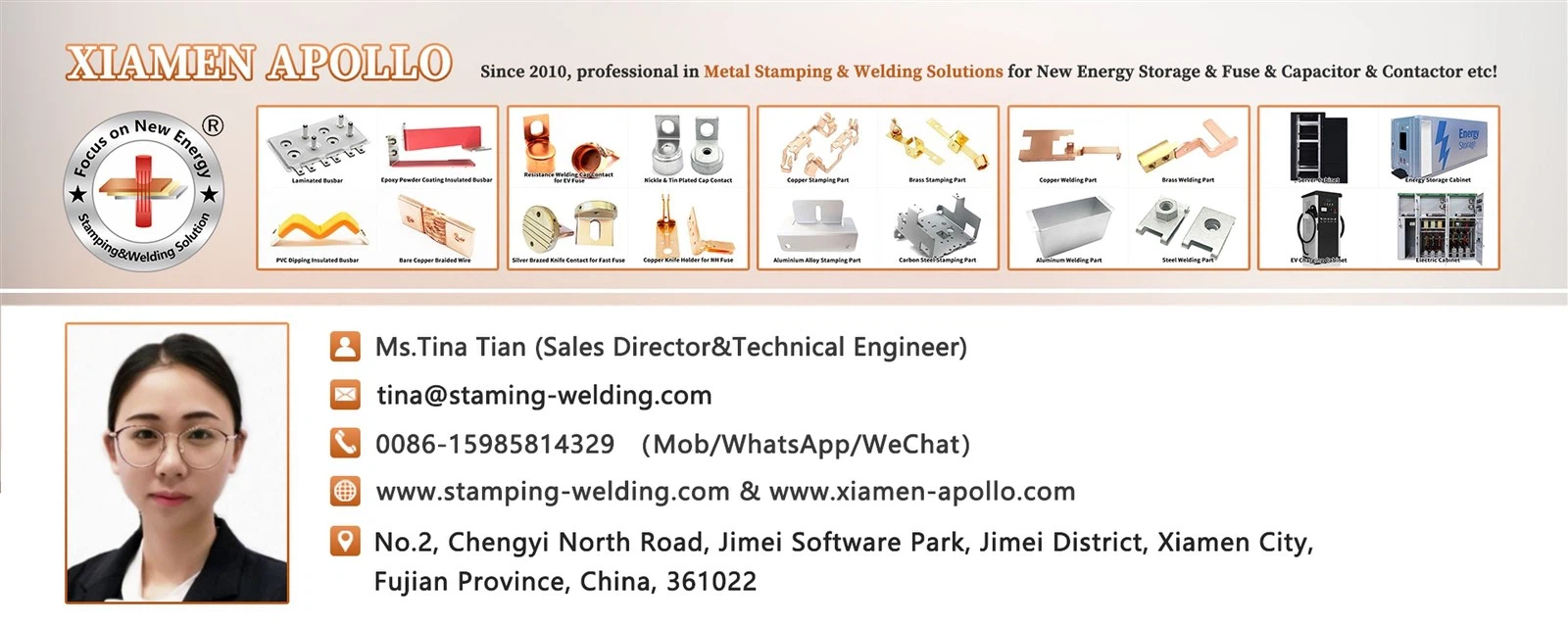
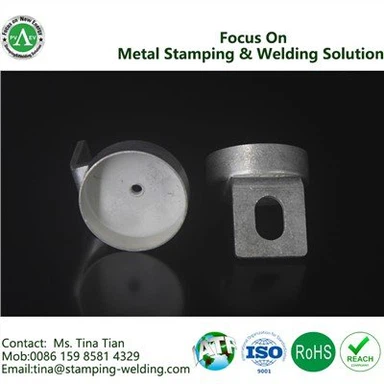
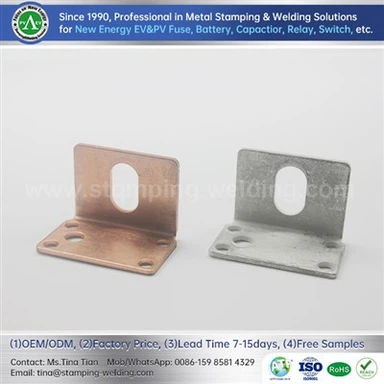
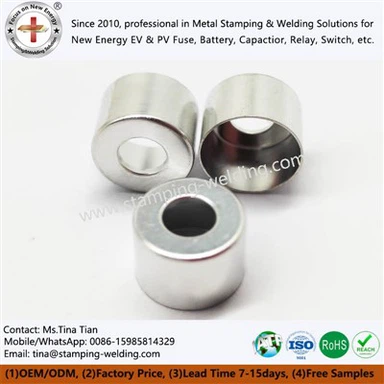
Due to its excellent corrosion resistance, mechanical strength and surface aesthetics, stainless steel has become an indispensable key material in high-end manufacturing fields such as rail transportation, power electronics, and new energy storage. In the manufacturing of power capacitors, Stainless Steel Can is used as the core packaging component, and its welding quality directly determines the sealing performance, electrical safety and long-term service reliability of the product. Stainless steel welding is essentially a metallurgical process that uses local heating to melt and combine the base metal and filler metal. However, due to the complex composition and special thermophysical properties of stainless steel alloys, defects such as intergranular corrosion, hot cracks, pores, and deformation are easily produced during the welding process. Therefore, appropriate welding methods and process parameters must be selected for different application scenarios.
Process Analysis
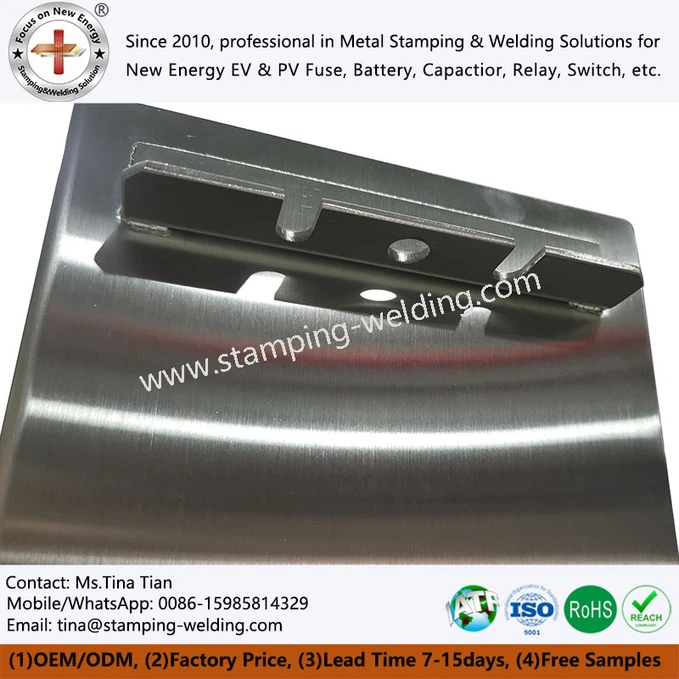
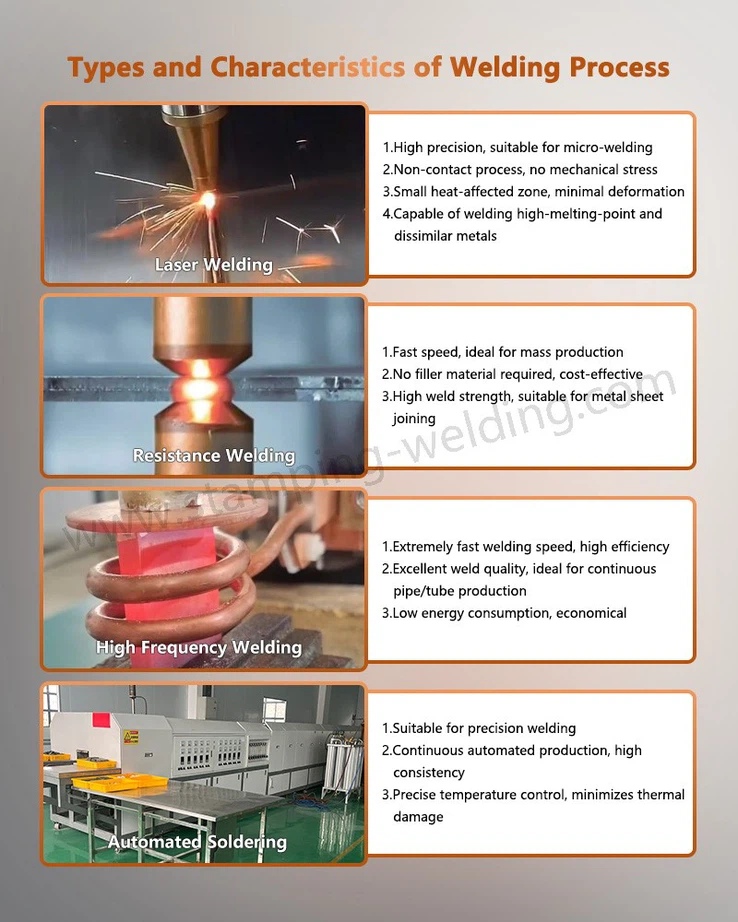
Commonly used welding methods for Rail Transit Power Capacitor mainly include manual arc welding (MMA), metal arc welding (MIG/MAG) and tungsten inert gas welding (TIG). Manual arc welding equipment is simple, flexible in operation, and highly adaptable. It is suitable for workpieces of various thicknesses and shapes. However, it has shortcomings such as slow welding speed and easy generation of defects. Gas metal arc welding uses continuously fed metal wires as electrodes and cooperates with gas shielding. It has the advantages of fast welding speed, high quality and small deformation, and is especially suitable for medium and thin plate processing. Tungsten inert gas shielded welding uses refractory tungsten electrodes and inert gas protection. Although it is more expensive and difficult to operate, a Capacitor stainless steel case can achieve extremely high weld quality and is the first choice for welding thin plates and precision pipes.
Welding material matching
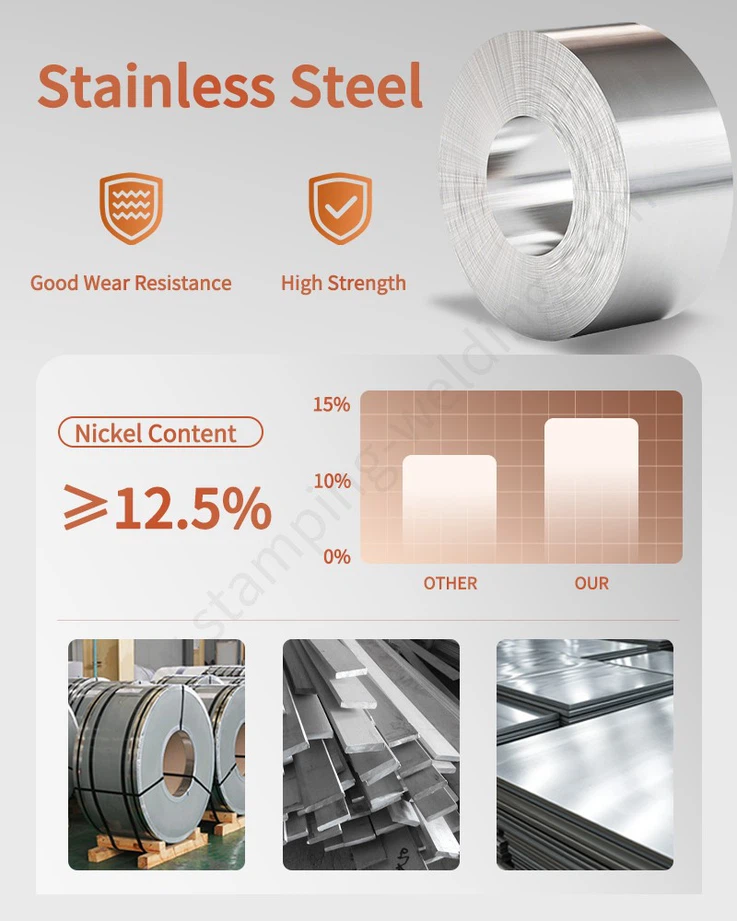
In order to ensure the mechanical properties and corrosion resistance of the weld, the selection of welding materials needs to match the base metal. Austenitic stainless steel can use the same material or high-nickel welding materials to improve toughness; ferritic stainless steel can use the same material or high-nickel austenitic welding materials to prevent thermal cracks; duplex stainless steel needs to use special welding materials to maintain the balance of the duplex structure. In terms of technology, the principles of short welds, small gaps, and less overlap should be followed. This stringent requirement for materials and processes is the industry standard for the production of precision electronic component housings such as Capacitor stainless steel cases, and is directly related to the safe operation of capacitors.
Gas protection and temperature control during welding
The molten pool and arc zone must be strictly protected during the welding process to prevent the intrusion of oxygen and nitrogen in the air from causing oxidation or nitridation of the weld. Pure argon or an argon-helium mixture is usually used for protection, and the protection needs to continue until the weld is completely cooled. At the same time, controlling welding temperature and deformation is the core of preventing intergranular corrosion and hot cracking. For austenitic stainless steel, the interlayer temperature should be controlled between 150 and 250 degrees; ferrite and duplex stainless steel need appropriate preheating and post-heat treatment according to their characteristics. Precise temperature control can not only reduce residual stress, but also ensure the process of manufacturing high-quality Stainless Steel Can for Storage Capacitor and other energy storage component containers.
contact us
Relying on exquisite stainless steel welding technology, we specialize in manufacturing various types of Capacitor Stainless Steel Can. For UHV scenarios, we have specially optimized the sealing performance and mechanical strength to ensure long-term stable operation of the product under extreme working conditions. Welcome to inquire about customization.