Insulation coating busbar: analysis of core conductive components in the field of new energy hardware
Apr 17, 2026
Core definition of Insulation coating busbar
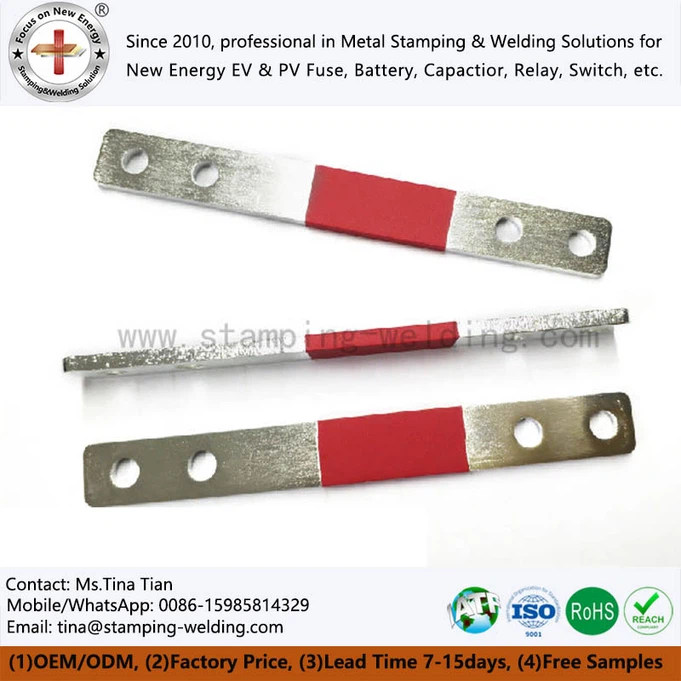
The core of Epoxy powder coating insulated busbar is a power transmission component made by insulation treatment on the surface of copper, aluminum and other metal busbars through electrostatic spraying technology. As a key conductor for energy collection and distribution in power systems, metal busbars are coated with insulation powder uniformly on the surface through electrostatic spraying, and then cured at high temperatures to form a strong and continuous insulation coating.
This treatment not only endows the Copper bus bar epoxy powder coating with excellent insulation performance, but also significantly improves its corrosion resistance, wear resistance, and mechanical protection capabilities, making it suitable for the high voltage and complex working conditions in the field of new energy, and becoming the core conductive connector for connecting various new energy equipment.
Core Features
The core advantages of Insulation coating busbars are concentrated in three dimensions: insulation, corrosion resistance, and mechanical performance, accurately matching the stringent requirements of the new energy field.
In terms of insulation performance, the coating formed by the solidification of insulation powder has high insulation resistance and voltage resistance, which can effectively prevent current leakage and meet the extremely high standards of electrical insulation for electric vehicle battery management systems, charging stations, photovoltaic power stations and other equipment, greatly reducing the risk of electrical accidents.
In terms of corrosion resistance, coatings can effectively isolate direct contact between air, moisture, chemicals, and metal busbars, adapting to complex environments such as humidity and outdoor conditions commonly found in new energy equipment. For example, connecting photovoltaic modules to busbars outdoors can resist rainwater, salt spray, and ultraviolet erosion, extend service life, and reduce maintenance costs.
In terms of mechanical performance, insulation coatings can enhance the surface hardness and wear resistance of Electroplating and powder coating busbars, enabling them to maintain structural integrity and stable performance even under external impacts, friction, or vibration. They are suitable for vibration, bumps, and other working conditions during the operation of electric vehicles, ensuring stable transmission of electrical energy.

Core production process
The production of Epoxy powder coat busbar requires multiple critical processes, and each step requires strict control of parameters to ensure product quality.
Firstly, it is the selection of substrates. Based on different application scenarios and performance requirements, high-purity metal materials such as copper or aluminum alloys are chosen to lay a good conductive foundation.
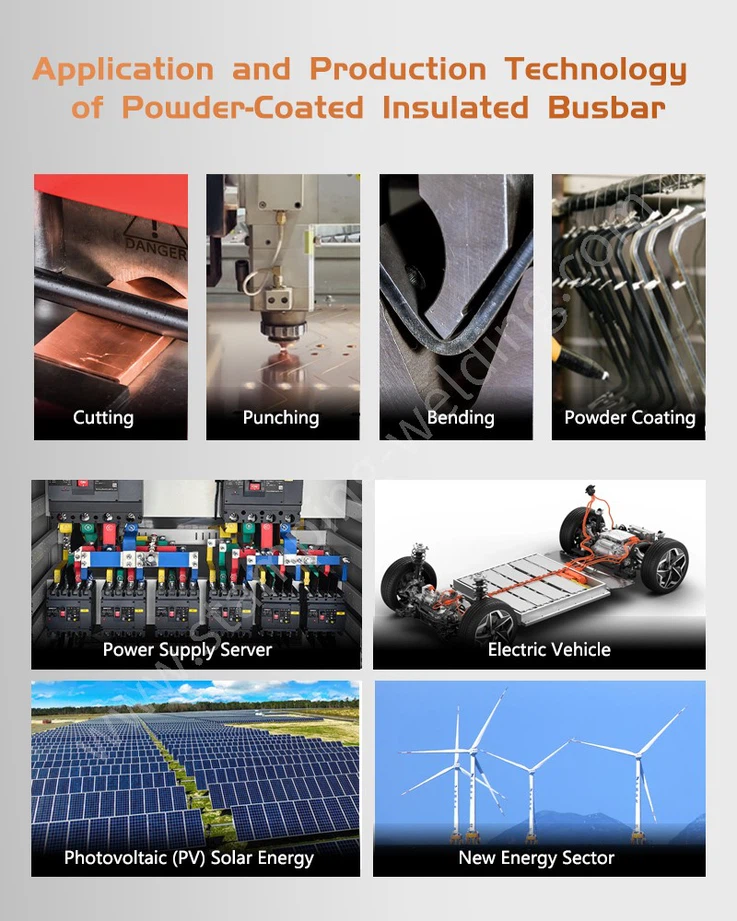
Subsequently, the busbar is processed and formed, and the metal material is processed into a shape and size suitable for electrical equipment through cutting, punching, bending, and other processes to ensure installation compatibility. Surface pretreatment is a key step, and strict cleaning of the busbar surface is required before spraying to remove impurities such as oil stains and oxide layers, creating conditions for the firm adhesion of insulation powder.
Afterwards, an electrostatic spraying device is used to evenly spray the insulation powder onto the surface of the busbar. With the help of electrostatic adsorption, the powder is tightly adhered.
Finally, the sprayed Powder coated busbar is sent to a high-temperature curing furnace. Under specific temperature and time conditions, the insulation powder is cured to form a hard, smooth, dense and defect free insulation coating. The temperature, time, spraying pressure and other parameters need to be strictly controlled throughout the process to ensure that the product performance meets the standards.
Core applications in the field of new energy
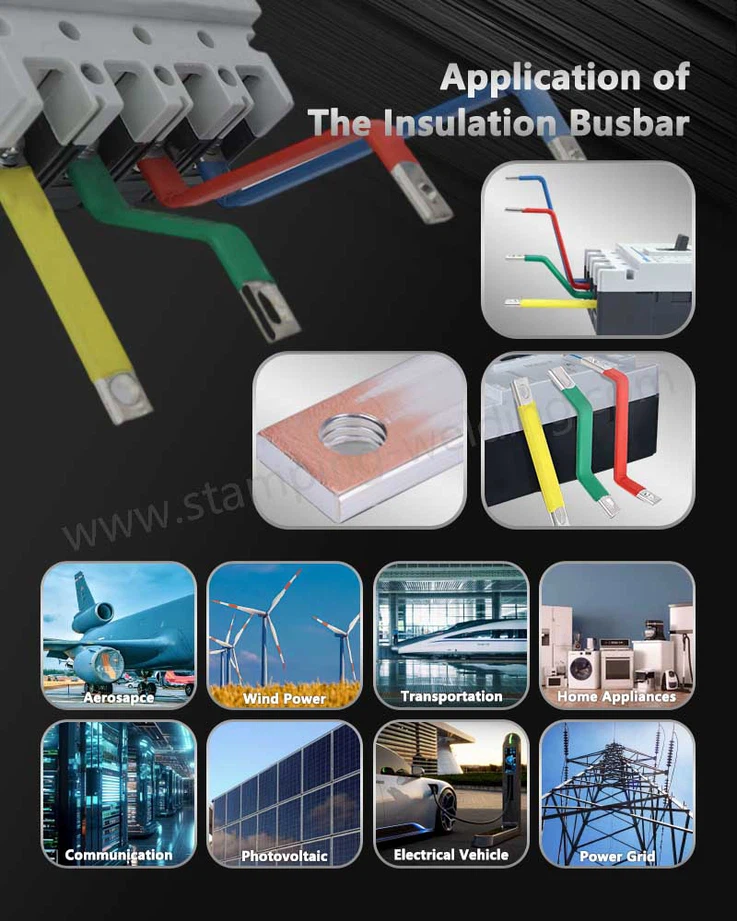
Busbar coating with epoxy coating powder is widely used in new energy core fields such as electric vehicles, charging piles, photovoltaics, and wind power generation, playing a key role in high-voltage and high current transmission and insulation protection.
In electric vehicles, it is widely used for connecting battery modules, battery management systems, high-voltage distribution boxes, and motor controllers. It can safely and efficiently transmit high voltage and high current, prevent electrical short circuits through excellent insulation performance, ensure the safety of drivers, passengers, and equipment, reduce energy loss, and improve the overall performance of the battery system.
In the field of charging stations, as outdoor infrastructure, the internal circuit connection of the charging station adopts Busbar insulation coating powder, which can withstand high voltage and high current impact, prevent leakage accidents with good insulation, and ensure long-term stable operation in harsh outdoor environments with corrosion resistance and mechanical properties.
In the field of photovoltaic and wind power generation, the Epoxy power coating insulated busbars are used in equipment such as combiner boxes, inverters, high and low voltage switchgear, etc. In the photovoltaic system, they can efficiently collect and transmit the direct current generated by multiple photovoltaic modules. With excellent insulation and corrosion resistance, they are suitable for complex outdoor environments, ensuring efficient and safe power transmission.
Contact us
If you have any questions about the selection, application adaptation, or customization requirements of the Insulation coating busbar, please feel free to contact us at any time. We will provide professional technical solutions and targeted solutions to help you efficiently implement your new energy hardware projects.