Overview of Stamping 304 Stainless Steel process
Apr 21, 2026
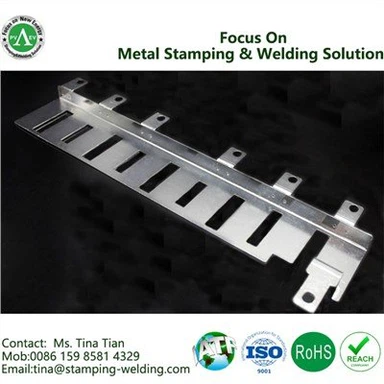
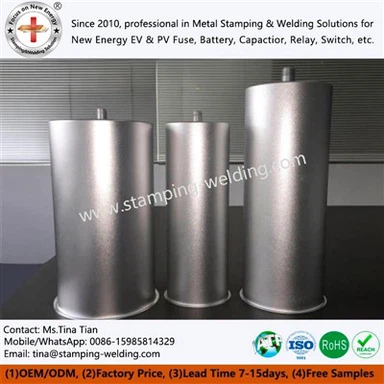
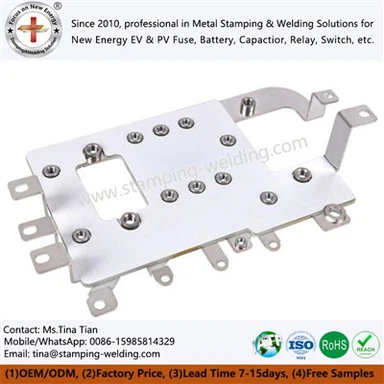
Stainless steel stamping is a key process in metal part manufacturing, known for its exceptional durability, precision and strength. This method applies high pressure to stainless steel materials through dies and punches to produce parts for a variety of industries, including automotive and medical devices. This process combines materials science and engineering practices, requiring a deep understanding of material properties and rigorous process planning capabilities. Precision Metal Stamping embodies strict control of dimensional accuracy and repeatability in this process.

core advantages
Stainless Stamping has become the material of choice for a wide range of applications due to its many advantages. Its corrosion resistance ensures long life in harsh environments and is suitable for use in areas such as food processing, medical equipment and ships. Another significant advantage is its strength-to-weight ratio, which ensures strength while being relatively lightweight, which is particularly critical for the automotive and aerospace industries. When it comes to hygiene, stainless steel's non-porous surface is less likely to harbor bacteria, making it the gold standard in medical equipment, kitchen appliances and food processing plants. In addition, stainless steel is beautiful and versatile, and can be combined with function and decoration through various surface treatments such as mirror polish or matte. Finally, sustainability is also an important consideration – stainless steel is 100% recyclable and does not degrade, contributing to the circular economy. The Sheet Metal Stamping process can fully utilize these properties of stainless steel to achieve efficient mass production.

Stainless steel stamping process
Material Selection: Select stainless steel plates that meet specifications based on end use. Design and tooling: Engineers develop detailed plans for stamping dies and tooling, determining the dimensions, tolerances and functionality of the parts. Precise design is the prerequisite for efficient production and excellent quality. Blanking: Cutting stainless steel sheet into smaller "blanks" for individual stamping. This step ensures maximum material utilization and minimum waste. Forming and stretching: The metal is bent and stretched in the mold through high pressure to form the desired shape. Part complexity determines the number of machining stages and the specific process. Piercing and Cutting: Add features like holes or complex cuts that are seamlessly integrated into the stamping process without affecting structural integrity. Post-processing: includes deburring, polishing and coating to improve appearance, increase corrosion resistance and meet other specific requirements. This stage is customized based on application requirements to ensure that part performance meets aesthetic standards.

application areas
Automotive parts: fuel injectors, seat belt assemblies, exhaust systems, transmission components. Medical devices: surgical instruments, dental tools, implantable devices, orthopedic components. Electronics & Electrical: Connectors, switches, battery contacts, brackets
Aerospace parts: panel fasteners, structural components, engine parts. Consumer Products: Kitchenware, Cutlery, Cookware. Building and Construction: Door and window accessories, structural supports, roofing materials. Industrial machinery: valves, pumps, fasteners.

contact us
Stamping 304 Stainless Steel can flexibly adjust process parameters and mold design according to specific application needs, achieving a seamless transition from prototype to mass production. If you want to learn more about how to apply stainless steel stamping technology to your product development, please contact our technical team. We will provide full-process support from material selection, mold design to mass production to help your project be implemented efficiently.