What is a wall mount server rack?
Apr 16, 2026
In the modern digital environment, servers support various online services and applications. Among them, rack servers have become the mainstream choice due to their high efficiency and scalability. This article will explore the concept, uses, and core components of a computer rack from the perspective of a computer rack, and how to choose a suitable rack cabinet to accommodate them.
What are server racks used for?
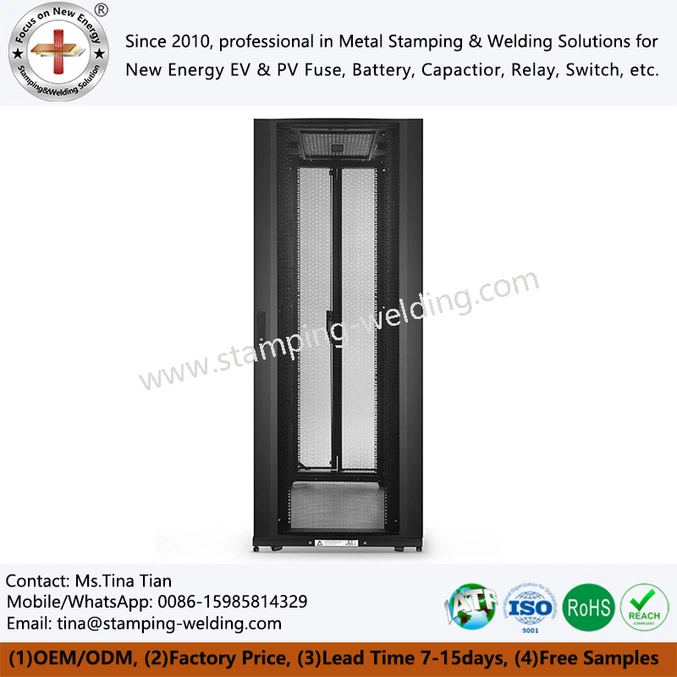
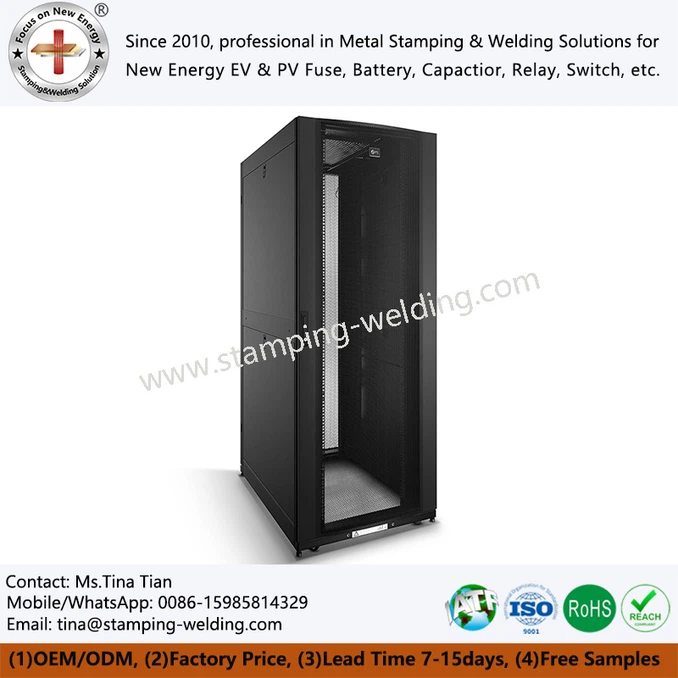
Server racks are primarily used as a standardized framework for organizing and housing a variety of IT equipment, including servers, network equipment, storage systems, and other hardware components. These computer racks provide a centralized location for deploying and managing IT infrastructure within a data center, server room, or network cabinet.
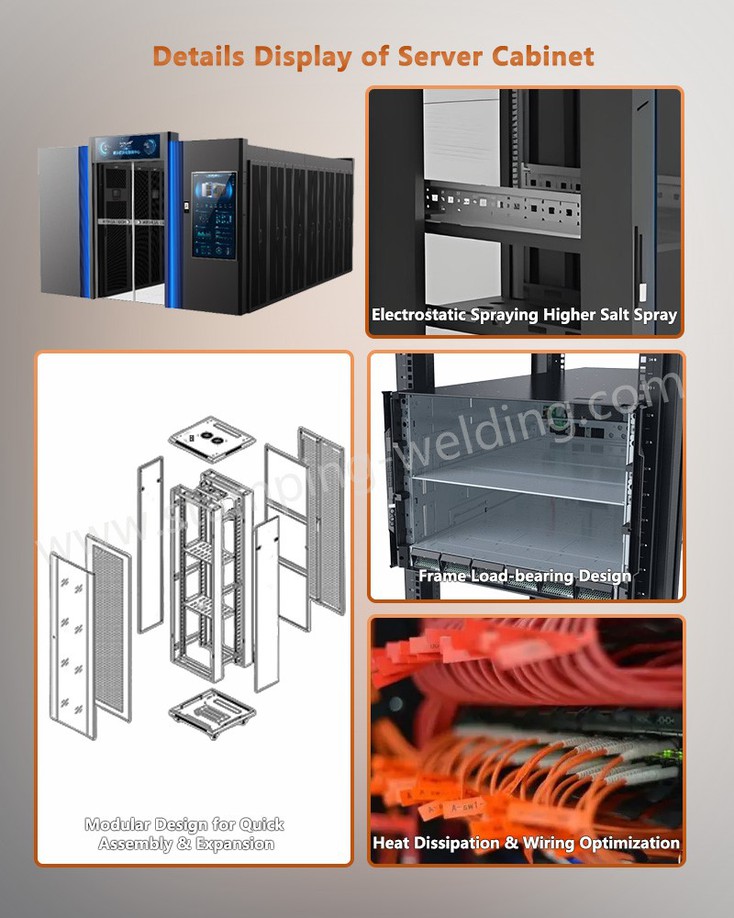
Equipment organization: Server racks provide a structured environment in which IT equipment can be arranged neatly and orderly. This helps maximize space utilization and improve accessibility for maintenance and troubleshooting tasks. Space Optimization: By stacking multiple servers and other hardware components vertically in a compact chassis, the 9u rack efficiently utilizes available floor space. This is particularly useful in environments with limited space, such as data centers or server rooms. Cooling and airflow management: Server racks are designed with airflow patterns and ventilation systems to ensure proper cooling of IT equipment. They feature perforated doors, side panels, and adjustable mounting rails to promote airflow and prevent servers and other equipment from overheating. Cable Management: Server racks have built-in cable management features such as cable trays, routing channels, and cable ties to effectively organize and route cables. This helps minimize cable clutter, reduces the risk of cable damage, and simplifies maintenance tasks. Equipment Protection: The 12u server rack provides a secure and stable enclosure for housing valuable IT assets, protecting them from physical damage, dust and unauthorized access. Racks may include locking doors, side panels, and security locks to protect equipment from theft or tampering.
Overall, server racks play a vital role in ensuring the reliability, efficiency, and security of your IT infrastructure by providing a centralized and well-organized environment for deploying and managing various hardware components.
Server rack benefits
Using server racks offers several benefits to organizations looking to manage their IT infrastructure efficiently and securely. Enhanced physical security: Server racks often feature lockable doors or panels, providing an extra layer of security to protect sensitive and valuable equipment from unauthorized access, tampering, or theft. This helps maintain the integrity and confidentiality of data stored on the server. Easy to maintain and manage: The server rack provides easy access to the front and rear of the server, allowing for efficient cable management, equipment installation, and maintenance tasks. An organized layout simplifies troubleshooting, upgrades, and repairs, saving IT staff time and effort. Centralized power distribution: Server racks often have integrated power distribution units (PDUs) that enable centralized power management and distribution of power to connected servers and devices. This facilitates better power control, monitoring, and load balancing. Standardization and Compatibility: Server racks follow industry-standard dimensions and mounting options, ensuring compatibility with different servers and network hardware. This allows components to be easily integrated and interchangeable, increasing flexibility and interoperability. Enhanced reliability and uptime: The rugged construction and design of server racks help protect equipment from physical damage, dust, and environmental factors that can affect performance and reliability.
Overall, server racks provide a secure, organized, and efficient infrastructure for housing and managing servers and related equipment, ultimately helping to improve system performance, reliability, and ease of maintenance.
Practical tips for choosing the most suitable cabinet
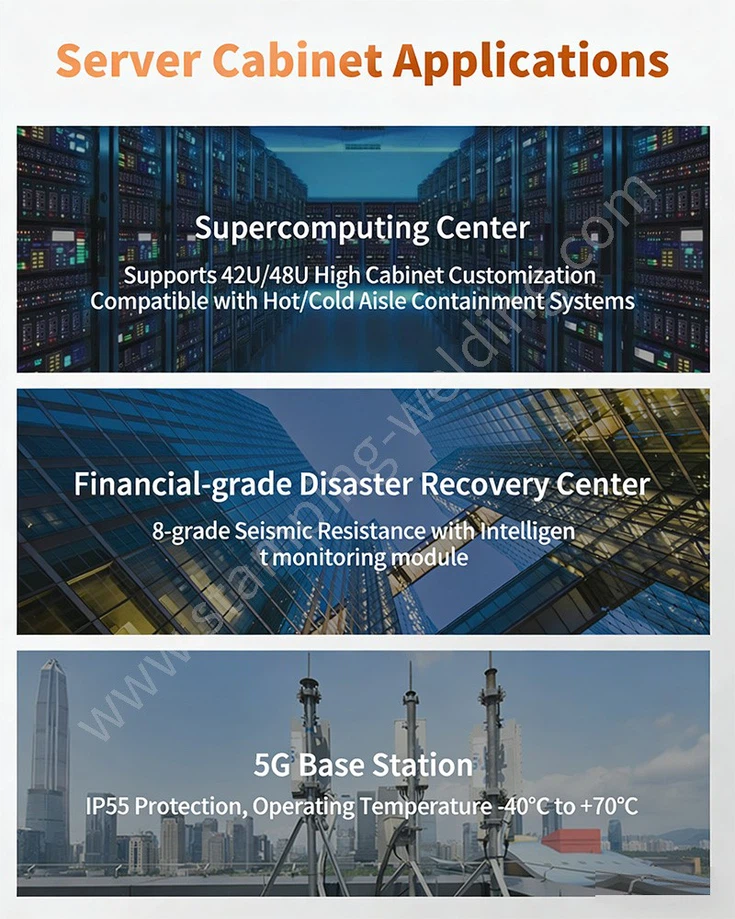
When choosing a cabinet to house your server, consider the following factors. Consider future expansion: Leave room for additional hardware to ensure airflow and expandability. Evaluate accessibility and security: If the environment is open, you can choose a wall-mount network rack; if high security is required, give priority to closed cabinets. Evaluate enclosure options: Enclosed cabinets are suitable for public or safety-critical locations to provide additional protection. Choose the installation type wisely: wall-mounted saves space but has load-bearing limitations, while floor-standing has greater load-bearing capacity. For example, the 6u wall mount rack is suitable for lightweight deployment. For equipment storage: The cabinet can also be used as a storage solution; choose an ergonomic and easy-to-access design. Prioritize ventilation needs: open racks have better airflow, while closed cabinets require the support of a powerful air conditioning system.
contact us
Our company focuses on providing high-quality server and network cabinet solutions. Our products such as wall mount server rack, data rack cabinet and vertical server rack are made of high-quality materials to ensure equipment safety, good heat dissipation and easy management. Welcome to visit our website for more details, we will provide you with professional configuration suggestions and technical support.