Technical advantages and application analysis of Aluminum Solar Middle Clamp
Apr 16, 2026
In the overall architecture of the photovoltaic power generation system, the bracket component is not only the physical basis for supporting photovoltaic panels, but also the core structural component that determines the power generation efficiency and long-term operation safety of the system. With the iteration of photovoltaic technology, traditional steel brackets are gradually unable to meet the construction needs in complex environments due to their heavy weight and easy corrosion. Aluminum Solar Middle Clamp has become the preferred solution for modern photovoltaic power station construction due to its excellent material properties and structural design, especially in terms of coping with harsh climates and reducing life cycle costs.
In-depth optimization of material properties and structural design
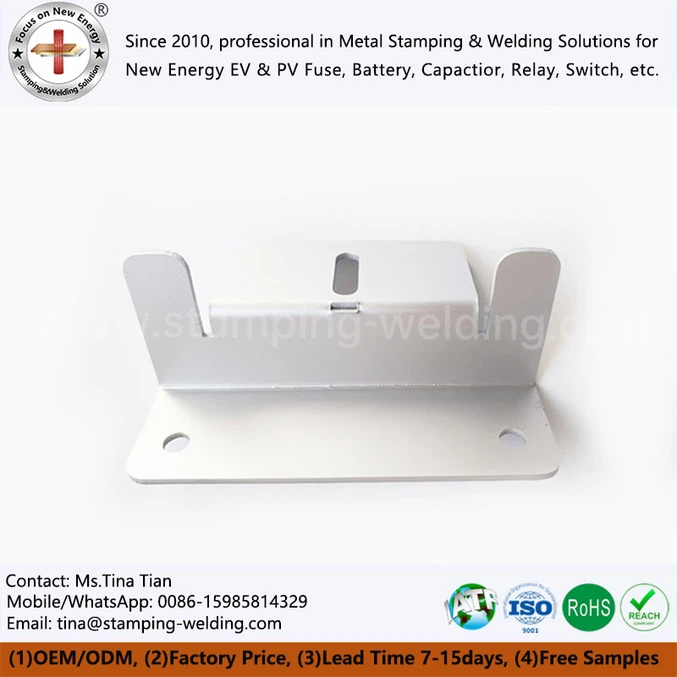
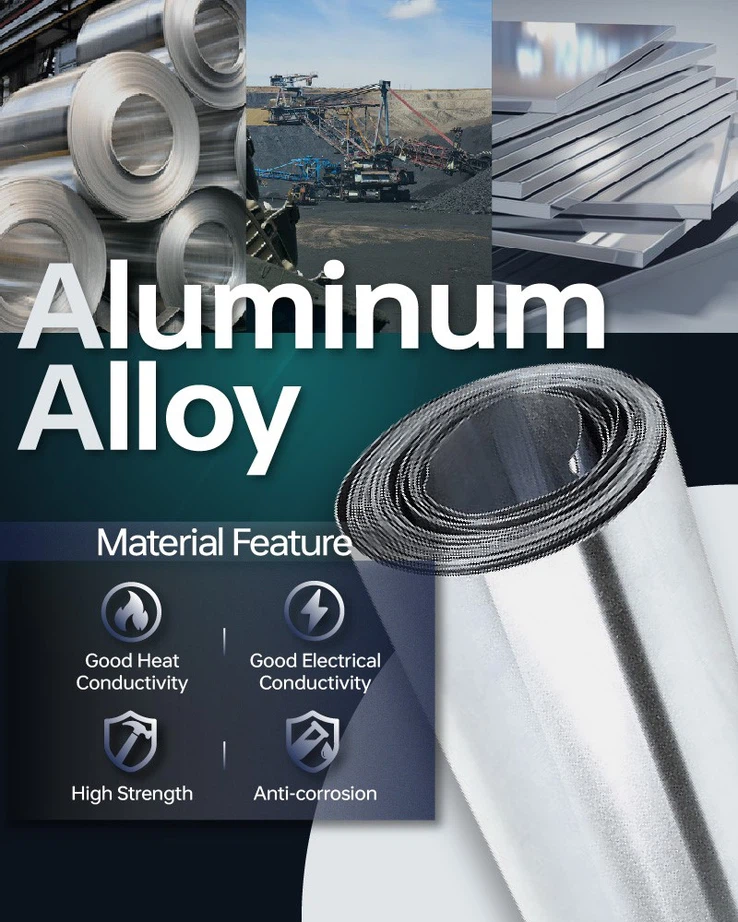
The core competitiveness of aluminum alloy photovoltaic brackets stems from the combination of its material science and precision manufacturing processes. Such components usually use high-strength Class A aluminum alloy as the base material, with a density of about 2.7g/cm³, which is only about 35% of carbon steel. This lightweight feature greatly reduces the difficulty of transportation and labor costs during installation. In order to further improve weather resistance, the surface is usually anodized to form a dense oxide film. This protective film can effectively resist the erosion of acid rain, salt spray and ultraviolet rays, allowing it to maintain stable physical properties in coastal or high-humidity industrial environments, thereby significantly extending the service life of the Aluminum Alloy Solar Panel Mounting Bracket.
At the structural design level, modern aluminum alloy brackets abandon the traditional welding process and instead adopt modular and edge-pressing designs. Through the precise cooperation between the water tank pressure block and the side support board, the photovoltaic panel and the bracket are closely connected, effectively avoiding the risk of loosening due to thermal expansion and contraction. This design not only increases the overall rigidity of the structure, but also allows components to be flexibly adapted to project needs. For example, the design of the Aluminum Alloy Waterproof Solar Rail fully considers drainage requirements to prevent accumulated water from causing additional load or corrosion to components, ensuring the reliability of the system in long-term outdoor exposure scenarios.
Strict control of application scenarios and installation specifications
Aluminum Alloy Solar Panel Mounting Brackets are widely used in various terrains and climate conditions, from flat ground power stations to mountain projects with complex slopes, to industrial and commercial roofs with limited load-bearing capacity. During installation, standardized construction is key to ensuring system performance. First of all, the inclination angle and spacing of the brackets need to be accurately calculated based on the local longitude, latitude and lighting conditions to maximize power generation efficiency. Secondly, the torque of the fasteners needs to be strictly controlled within the standard range to ensure the stability of the connection.
For roof installation scenarios, the selection of Aluminum Mounting Brackets is particularly critical. It is necessary to select a matching fixing method based on the roof material (such as color steel tiles, concrete, or tile surfaces). Before installation, the bearing capacity of the foundation should be strictly checked to prevent deformation of the bracket due to foundation settlement. In addition, although aluminum alloy itself is corrosion-resistant, isolation measures still need to be taken at the contact surfaces between different metals (such as aluminum alloy and steel bolts) to prevent electrochemical corrosion, thereby ensuring the long-term stable operation of the Aluminum Accessories for Solar Mounting system.
Functional uses and production advantages
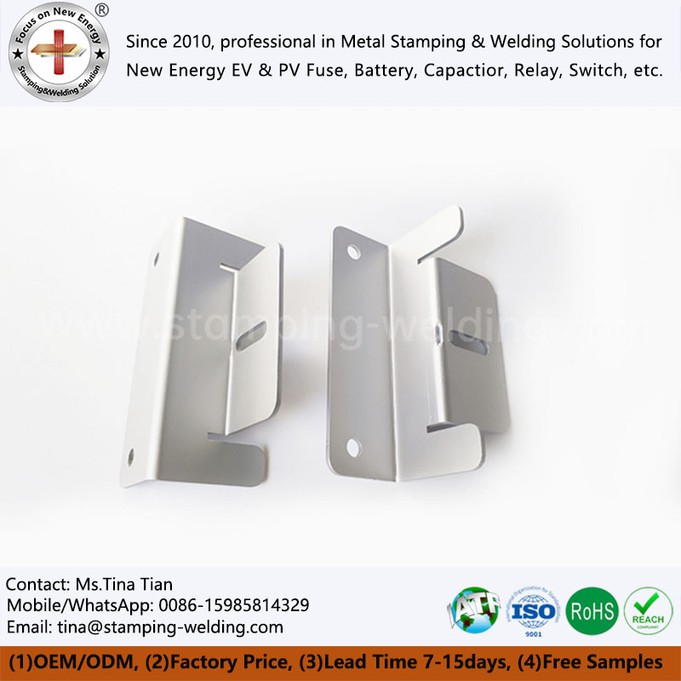
The core function of this component is to provide stable support for photovoltaic panels. Aluminum Mounting Brackets also have seismic performance and can withstand a certain intensity of vibration and wind load, reducing damage to the photovoltaic system caused by earthquakes or strong winds. At the technical level, the lightweight properties of aluminum alloy materials reduce the overall weight of the bracket, facilitate transportation and installation, and reduce the load-bearing pressure of the basic structure. In addition, the modules support customized production, and parameters such as length and diameter can be adjusted according to project requirements to adapt to different specifications of photovoltaic panels and installation environments.
contact Us
We focus on providing high-performance photovoltaic system support solutions. Our Aluminum Solar Middle Clamp adheres to high-quality design and manufacturing, and are committed to providing stable, reliable, cost-effective installation support for various photovoltaic projects. If you need to know more about product details or get professional selection advice, please feel free to contact us at any time.