

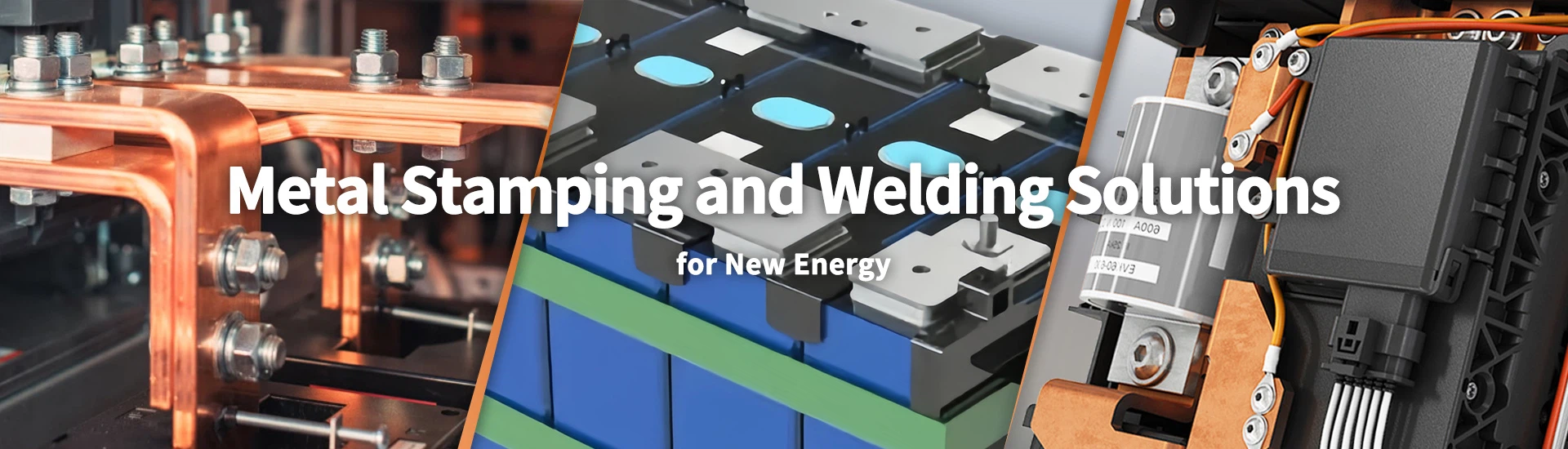


Brass Stampings For EV
Brass Stampings For EV are formed from automotive-grade brass sheet or strip for battery pack terminals, PDU/BDU connections, EV connectors, and charging systems. Precision punching, blanking, bending, and progressive stamping control hole positions, contact areas, and formed profiles. Xiamen Apollo provides custom geometry, low-burr edges, and consistent dimensions, backed by 30+ years of electrical industry experience and ISO 9001/IATF 16949 systems.
- Fast Delievery
- Quality Assurance
- 24/7 Customer Service
Product Introduction
Brass Stampings for EV are precision metal components used in battery packs, PDU/BDU assemblies, EV connectors, switchgear and other vehicle electrical systems. Automotive-grade brass sheet or strip is formed into terminals, contact structures, tabs, mounting sections and other conductive parts according to customer drawings and assembly requirements. Precision stamping controls hole locations, formed profiles, contact areas and critical dimensions for repeatable electrical and mechanical assembly.

Applications of Brass Stampings For EV
EV Battery Pack Terminals
Brass stamped terminals support battery pack electrical interfaces, integrating mounting holes, contact sections, tabs, and formed connection features. Geometry can be developed according to assembly space, fastening methods, and connection requirements.
PDU and BDU Components
Electrical metal brass stamping parts support PDU and BDU connection structures, combining controlled terminal geometry, mounting features, conductive contact areas, and formed sections to meet vehicle power distribution assembly requirements.
EV Connector Components
Custom electrical contact stamping brass parts are suitable for EV connector terminals, contact pieces, and secondary connection structures. Progressive stamping can combine punching, blanking, bending, and forming operations within one production sequence.
EV Charging and Power Distribution Systems
Brass stamping components support conductive interfaces in EV charging equipment and vehicle power distribution assemblies. Material grades and surface finishes can be specified according to electrical, corrosion, fastening, and assembly requirements.

Quality control for Brass Stampings For EV follows ISO 9001 and IATF 16949 quality management requirements, covering material inspection, dimensional verification, surface condition, and production process control. Inspection records and process checks are maintained throughout production to support consistent quality and automotive OEM requirements.
Dimensional Inspection
Critical dimensions, hole positions, bend angles, and terminal profiles are checked against customer drawings using gauges and CMM inspection for Electrical Metal Brass Stamping Parts.
Material & Surface Control
Brass grade, material thickness, burr condition, and plating specifications are verified to meet electrical and assembly requirements.
Process & Final Inspection
Stamping processes are monitored from incoming material through final inspection, supporting consistent EV brass stamping quality for volume production.

Frequently Asked Questions about Brass Stampings For EV
Q: Can Brass Stampings for EV be used for battery pack terminals?
A: Yes. EV brass stampings can be produced with mounting holes, contact sections, tabs, and formed connection features for battery pack terminals. Geometry can be developed according to available assembly space, fastening methods, and electrical interface requirements.
Q: What EV applications are suitable for brass stamped components?
A: Typical applications include EV battery pack terminals, PDU and BDU connection parts, connector terminals, charging equipment, and vehicle power distribution assemblies. Each structure can be designed around its specific mounting, contact, and connection requirements.
Q: How is dimensional quality controlled for EV brass stamping parts?
A: Critical dimensions, hole positions, bend angles, and terminal profiles are checked against customer drawings using gauges and CMM inspection. Process checks are maintained during production to control dimensional consistency for automotive assembly.
Q: How do you control brass material and surface specifications?
A: Incoming brass grade and material thickness are verified before stamping. Burr condition and specified plating are also checked according to drawing requirements, helping maintain the electrical contact and assembly characteristics required for EV components.
Q: Does production follow ISO 9001 and IATF 16949 requirements?
A: Yes. Quality control for EV brass stamping parts follows ISO 9001 and IATF 16949 quality management requirements, covering material inspection, dimensional verification, surface condition, process monitoring, and final inspection.

Contact Us
Send your 2D/3D CAD drawings, material requirements and forecast volume for an engineering review. Xiamen Apollo can evaluate the stamping route, tooling requirements and production method, then provide a factory-direct quotation for your EV brass stamping project.

Hot Tags: Brass Stampings For EV,EV brass stamping parts,automotive brass stamping parts,EV battery pack terminals,PDU BDU connection parts,EV connector terminals,custom brass stamping parts,brass precision stamping parts,electrical brass stamping parts,brass sheet metal stamping parts,progressive die stamping,EV terminal stamping,custom EV stamping manufacturer,automotive brass stamping supplier


