

Metal Welding Assembly
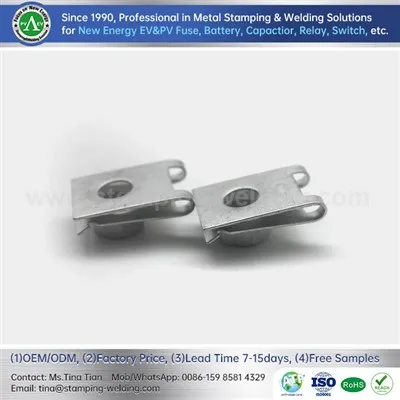
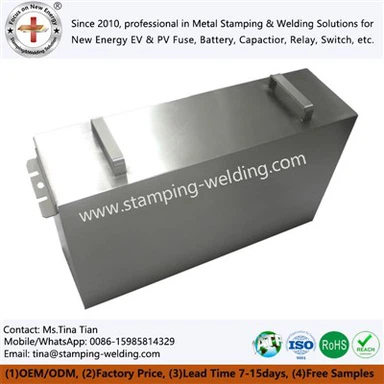
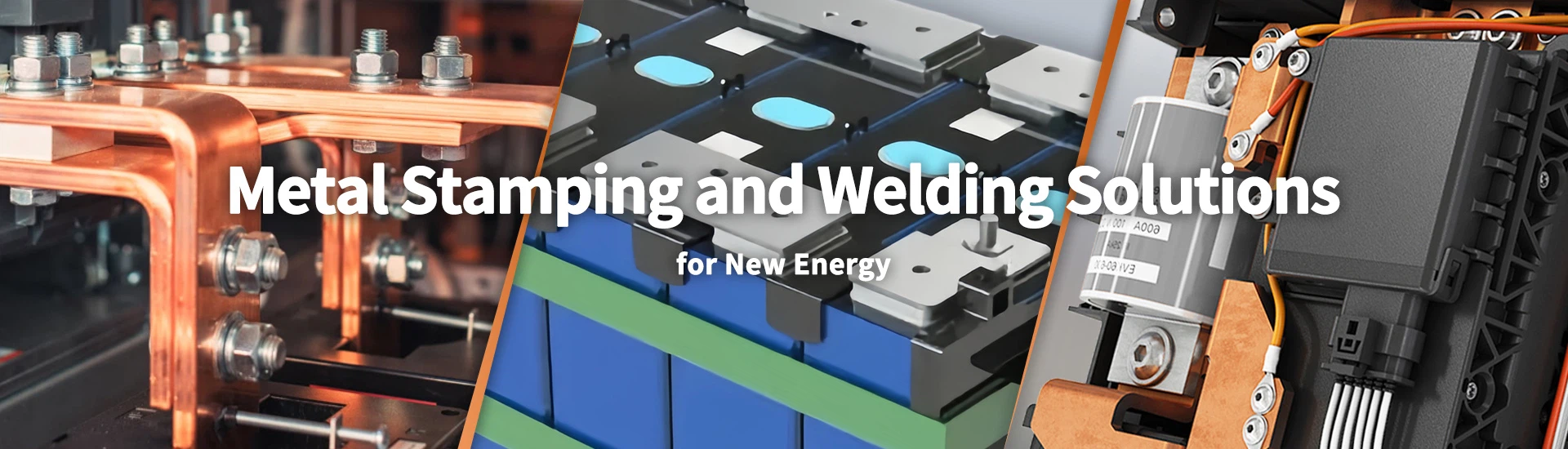
Xiamen Apollo specializes in the R&D and manufacturing of Metal Welding Assembly. Our core product lines include Copper Welding Parts, Brass Welding Parts, Aluminum Welding Parts, and Steel Welding Parts. Our service network covers the fields of electric power, the new energy industry, rail transit systems, industrial equipment manufacturing, and data center infrastructure. Relying on the three core competitiveness of high conductivity, strong corrosion resistance, and customized service capabilities, we continue to provide safe, reliable, efficient, and energy-saving electrical connection system solutions to global customers.
- Fast Delievery
- Quality Assurance
- 24/7 Customer Service
Product Introduction
Overview Of Product Series
Xiamen Apollo focuses on researching, developing, and producing Metal Welding Assemblies. Our main product categories include Copper Welding Parts, Brass Welding Parts, Aluminum Welding Parts, and Steel Welding Parts. We serve industries such as electric power, new energy, rail transit, industrial equipment manufacturing, and data center infrastructure. With core strengths in high conductivity, strong corrosion resistance, and customized service capabilities, we consistently deliver safe, reliable, efficient, and energy-saving electrical connection system solutions to customers worldwide.

Product Classification And Characteristics
1. Copper Welding Part

1.1 Material advantages and characteristics
Purity ≥99.9%, conductivity ≥58MS/m, excellent thermal conductivity, high-temperature oxidation resistance (long-term use temperature ≤300℃).
Extended value: reduces energy loss, is suitable for high-precision heat exchange scenarios, and reduces subsequent maintenance costs.
| Indicator | Industry-standard | Measured value | Value point |
| Copper content | ≥99.90% (T2) | 99.95% (SGS certification) | Conductivity 98.5% IACS, 35% higher than brass |
| Oxygen content | ≤0.02% | 0.008% | Anti-hydrogen embrittlement, suitable for high-frequency welding |
| Elongation | ≥25% | 32% | Anti-vibration deformation ability increased by 28% |
1.2 Production process
① Raw material pretreatment (pickling to remove oxide layer) → ② Precision gas shielded welding (TIG/MIG) → ③ Weld seam non-destructive testing (X-ray flaw detection) → ④ Surface passivation treatment (anti-discoloration).
| Process type | Applicable scenarios | Process advantages | Test data |
| Laser welding | Thin-walled parts (0.5-2mm), precision structures | Small heat-affected zone (≤0.1mm), weld strength ≥95% of parent material | Photovoltaic busbar welding, leakage rate 0.01% |
| Resistance welding | Busbar connection, terminal welding | The high degree of automation, consistency ±5% | Contact resistance ≤80μΩ, temperature rise 30K |
| High-frequency welding | Copper tube/copper rod butt welding | Dense weld without pores, suitable for large current transmission | Substation busbar welding, 10 years of zero failure |
| Vacuum diffusion welding | Dissimilar metal connection (copper aluminum/copper-nickel) | No solder interface, corrosion resistance increased by 3 times (salt spray test 96h no rust) | Energy storage battery pole welding, UL 1973 certified |
1.3 Technical parameters
Thickness range: 0.5-20mm | Weld strength ≥220MPa | Conductivity loss rate ≤3%.
1.4 Specific applications
Power industry: transformer windings, busbar connectors.
Refrigeration equipment: evaporator, condenser pipelines.
Chemical industry: corrosion-resistant reactor lining welding.
2. Brass Welding Part

2.1 Material advantages and characteristics
Copper-zinc alloy (Cu60%-Zn40%), with both mechanical strength (tensile strength ≥340MPa) and seawater corrosion resistance.
Extended value: A combination of decorative and functional properties suitable for high-value-added products.
| Scenario | Recommended material | Composition standard | Core performance | Test report example |
| Electrical conductivity | H65 brass | GB/T 5231-2022 | Conductivity ≥28MS/m (7% higher than H62) | Four-probe test report |
| Plumbing corrosion resistance | HPb59-1 lead brass | ASTM B139 | Scale corrosion resistance | Salt spray 96 hours without red rust |
| Mechanical structure | H59 brass | EN 12164 | Tensile strength ≥410MPa (complex state) | Tensile test fracture video |
2.2 Production process
① Precision casting (tolerance ±0.1mm) → ② Laser welding (heat affected zone ≤0.5mm) → ③ Polishing/electroplating surface treatment → ④ Salt spray test (≥96h without rust).
2.3 Specific applications
Bathroom hardware: high-end faucet valve body, shower pipe fittings.
Ship accessories: seawater pipeline flange, pump body connector.
Decoration engineering: retro lamp frame, art installation structure.
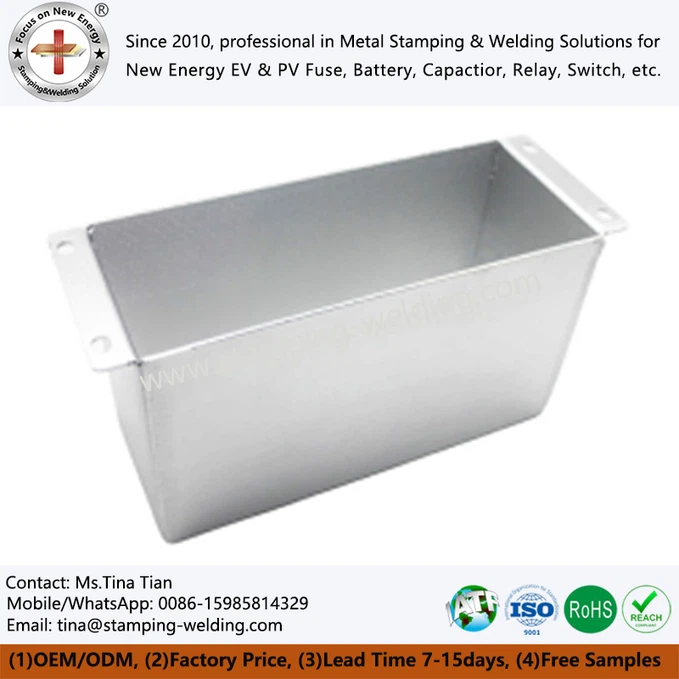
3. Aluminum Welding Part
3.1 Material advantages and characteristics
Adopting the 6061/5083 series, high strength-to-weight ratio (density 2.7g/cm³), and weather resistance increased by 50% after anodizing.
Extended value: Lightweight design reduces transportation energy consumption and adapts to the weight reduction needs in the new energy field.
| Dimension | Index (taking 6061-T6 aluminum alloy as an example) | Industry Standard | Comparison of Competitive Products (Ordinary 5052 Aluminum) |
| Material | Grade 6061-T6 (Si≤0.6%, Mg0.8-1.2%) | GB/T 3190-2020 | 5052-H32 (20% lower strength) |
| Welding Process | Friction Stir Welding (FSW)/TIG Welding (Pulse) | ISO 15614-8 (Aluminum Welding) | Gas Shielded Welding (50% larger deformation) |
| Weld Strength | 90% of the parent material strength (≥275MPa) | AWS D17.1 (Aerospace Grade) | 70% of the parent material strength |
| Airtightness | Helium mass spectrometer leak detection ≤ 1×10⁹Pa ·m³/s | GB/T 151-2014 (Pressure Vessel) | Bubble Method Leak Detection (Low Accuracy) |
| Surface Treatment | Anodizing 15μm (No White Rust in Salt Spray for 96h) | ASTM B117 | Spray painting (24h blistering) |
3.2 Production process
① Stamping (mold life ≥ 500,000 times) → ② TIG welding (argon purity ≥ 99.99%) → ③ Solid solution aging strengthening → ④ Three-dimensional coordinate detection (accuracy ± 0.05mm).

3.3 Specific applications
1. New energy vehicles (battery pack/motor housing)
Core requirements: lightweight, high rigidity, corrosion resistance
Solution:
6082-T6 aluminum alloy (yield strength 260MPa), overall weight reduction of 35% after welding (compared with steel parts)
Vacuum helium inspection: battery pack pressure maintenance 10kPa after welding, leakage rate 0ppm (attached with a car company's inspection report)
Thermal conductivity optimization: welding structure integrated with water cooling channel, thermal resistance reduced by 25% (CFD simulation animation demonstration)
2. Photovoltaic bracket (tracking system/fixed bracket)
Core requirements: wind load resistance, salt spray resistance, maintenance-free
Solution:
5083-H321 aluminum alloy (resistant to marine climate), welding angle strength ≥300N·m (attached with 20 years of measured data in typhoon area)
Anodizing + electrophoresis composite treatment: salt spray test 1500h (industry standard 500h), Hainan power station 8 years without corrosion
Modular welding: Segmented brackets reduce transportation losses and improve on-site welding efficiency by 40% (with installation video)
Comparison: Replace galvanized steel brackets, reduce life cycle costs by 22% (including transportation + maintenance)
3. Industrial equipment (pressure vessels/transmission components)
Core requirements: high strength, high-pressure resistance, easy processing
Solution:
7075-T651 aluminum alloy (tensile strength 572MPa), welding head pressure 8MPa (burst test 12MPa)
CNC welding: complex curved surfaces (such as hemispherical heads) are formed in one step, and the processing cycle is shortened by 60% compared to machining
Traceability: laser coding of each weld seam, supporting API 650 standard full life cycle traceability
4. Steel Welding Part

4.1 Material advantages and core features
Material advantages:
High strength and toughness: Carbon content 0.20%-0.25%, with both tensile strength (≥420MPa) and good ductility, excellent impact resistance.
Environmental resistance: The surface can be customized with a galvanizing/spraying process, and the salt spray corrosion resistance is more than 500 hours (ASTM B117 standard).
Excellent weldability: Carbon steel material is compatible with MIG/TIG/arc welding and other processes, and the weld strength is more than 90% of the parent material.
4.2 Product Features
Precise tolerance control (±0.1mm), suitable for complex assembly scenarios;
Modular design, supports rapid replacement and system integration;
Surface finish Ra≤3.2μm, reduce friction loss.
4.3 Production process
1. Cutting: using a laser/plasma cutting machine, with an accuracy of ±0.05mm and a material utilization rate of ≥95%;
2. Forming: hydraulic press + custom mold stamping, supporting 3D curved surface forming and multi-hole processing;
3. Welding process: robot automatic welding (repeat accuracy ±0.02mm) + manual repair welding, 100% penetration flaw detection;
4. Post-processing: sandblasting → phosphate anti-rust → electrostatic spraying (optional RAL color card);
5. Quality inspection packaging: full-size three-coordinate detection + load test, IP67 protective packaging.
Technical parameters

4.3 Specific Applications
Construction Engineering: Steel Structure Bridge Nodes, Building Support Frames.
Heavy Machinery: Excavator Boom, Conveyor Roller.
Agricultural Equipment: Combine Harvester Chassis and Granary Reinforcement.
Our Production Strength
1. Group strength: a solid foundation for cooperation
Funds and production capacity: registered capital of 120 million yuan, 3 major production bases (Xiamen/Ningbo), annual total production capacity of 8,000 tons of metal parts, equipment utilization rate of 92%, ensuring stable delivery of 100,000+ batch orders
Industry focus: Deeply cultivate new energy (annual revenue of 120 million, accounting for 60%), low-voltage electrical (annual revenue of 80 million, accounting for 40%), customer repurchase rate of 85%
2. Global service: zero-time difference response network
Localization layout: 4 regional branches in Europe (Spain), the Middle East (Iran), Southeast Asia (India/Malaysia), and Northeast Asia (Japan).
Service time: Free samples are delivered in 1-2 days (conventional models), new mold samples are delivered in 20-30 days (including molds, the industry average is 45 days), mass production delivery time is 15-20 days (after payment)
3. Technical barriers: cost reduction capabilities from the leader
Team genes: The core backbone comes from Xiamen Hongfa (the world's number one relay), with 30 years of experience in the electrical industry, and the original "cost reduction solution library" (such as contact knife weight reduction of 15% while maintaining strength, with DFMEA report attached), which reduces the material/process cost for customers by 8-12% on average
Full process coverage (7 core processes + 3 flexible technologies):
▶ Forming process: cold heading (silver contact ±0.01mm), stamping (busbar flatness ≤0.05mm), stretching (lithium battery shell depth-to-diameter ratio 3:1)
▶ Connection process: laser welding (melting depth 0.8-2mm), resistance welding (relay core welding strength ≥80MPa), vacuum diffusion welding (precision parts without oxidation)
▶ Surface treatment: silver plating 3μm (uniformity ±10%), gold plating 0.8μm (salt spray 72h), support RoHS/halogen-free customization
▶ Flexible production: laser cutting/CNC process, small batches of 50 pieces or more without mold opening, and proofing costs are 70% lower than traditional mold opening

4. Industry chain integration: closed loop from mold to inspection
Self-developed core links: self-owned workshops (stamping/welding/mold/CNC/cold heading/electroplating), 100% self-made rate of key links (compared to 60% of outsourcing factories), stamping die life of 30 million times (industry average 10 million times)
Extended service capabilities: not only provide metal parts but also support mold design → automated assembly equipment → electrical performance testing instruments (such as relay riveting equipment, contact resistance tester, with customer factory real shot video)
5. Quality assurance: automotive-grade standards throughout the entire process
Process control: real-time collection of welding parameters (current fluctuation ≤5%), robot welding consistency CPK≥1.67 (with SPC control chart), 100% weld flaw detection (UT+MT double detection, up to GB/T 11345 Level II)
Certification endorsement: ISO 9001, IATF 16949 (automotive grade), material report + flaw detection report + life test for each batch (scan code to trace furnace number/process parameters)
contact us

Hot Tags: Metal Welding Assembly, Metal Welding Parts, Welded Metal Assembly, Custom Welding Assembly, Custom Metal Welding Assembly Manufacturer, Precision Welded Components Supplier, OEM Metal Welding Parts, Sheet Metal Welding Assembly, EV Battery Welding Components, Energy Storage Welding Parts, Electrical Metal Welding Components
No Information