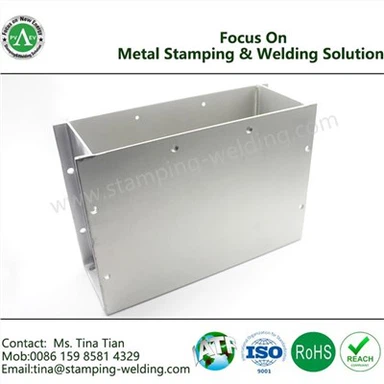


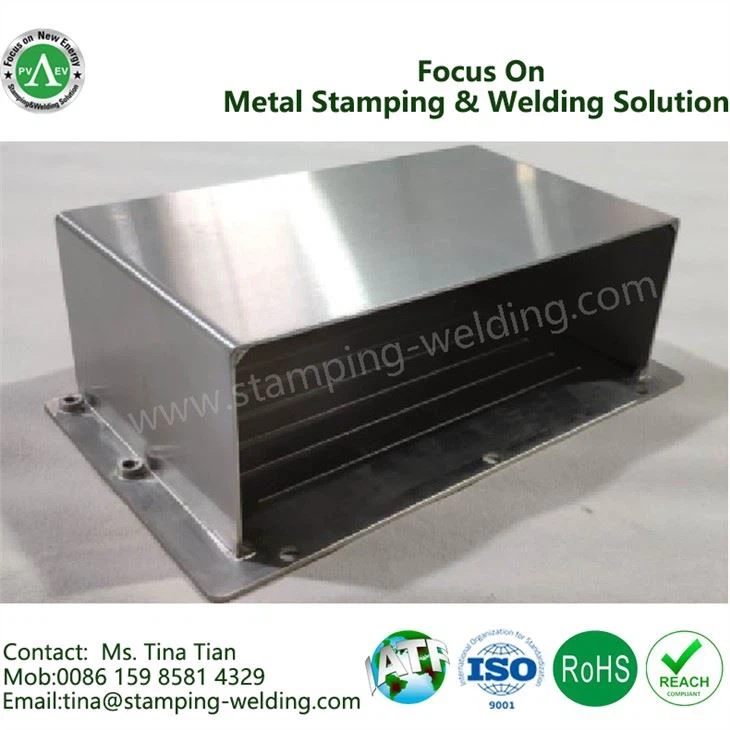
Steel Capacitor Can
Steel capacitor cans are a type of metal-clad capacitors that are made of steel or iron-based alloys. They are typically used in high-voltage applications, such as power factor correction (PFC) circuits, energy storage systems, and pulse and burst power supplies. Steel capacitor cans provide high levels of capacitance, voltage handling capabilities, and frequency response, while maintaining a small physical size. The capacitors are typically rectangular or circular in shape and may include additional features such as vents or stands for enhanced cooling and heat dissipation. The cans are sealed to prevent moisture, dust, and other debris from entering the capacitor assembly, while also providing protection from the elements. The use of steel capacitor cans in high-power electronic systems ensures reliable performance and longevity under severe operating conditions.
- Fast Delievery
- Quality Assurance
- 24/7 Customer Service
Product Introduction
PRODUCT INTRODUCTION
Steel capacitor cans are a type of metal-clad capacitors that are made of steel or iron-based alloys. They are typically used in high-voltage applications, such as power factor correction (PFC) circuits, energy storage systems, and pulse and burst power supplies. Steel capacitor cans provide high levels of capacitance, voltage handling capabilities, and frequency response, while maintaining a small physical size. The capacitors are typically rectangular or circular in shape and may include additional features such as vents or stands for enhanced cooling and heat dissipation. The cans are sealed to prevent moisture, dust, and other debris from entering the capacitor assembly, while also providing protection from the elements. The use of steel capacitor cans in high-power electronic systems ensures reliable performance and longevity under severe operating conditions.

FUNCTIONS
——
- Electrical insulation: Steel capacitor cans provide insulation between the capacitor's electrodes, helping to block any electrical current flow between them. This ensures that the capacitor can store electrical energy efficiently without any electrical leakage or short circuits.
- Dielectric strength: The steel material used in capacitor cans provides excellent dielectric strength, which means it can withstand high voltages without breakdown or puncture. This allows the capacitor to operate at high voltages without any electrical failure.
- Heat dissipation: The metal structure of the steel capacitor can acts as a heat sink, helping to dissipate heat generated by the capacitor during operation. This ensures that the capacitor remains cool during operation and does not overheat, maintaining its efficiency and reliability.
- Moisture protection: The steel can provides moisture protection for the capacitor's internal components, helping to prevent corrosion and damage. This extends the capacitor's service life and ensures reliable performance over time.
- Robustness and durability: The steel material used in capacitor cans is highly robust and durable, able to withstand mechanical stress, vibration, and other physical loads experienced during operation. This ensures that the capacitor remains stable and performs well in severe operating conditions.

SURFACE TREATMENT
——
- Cleaning: The can surface is cleaned to remove any impurities, dirt, or grease using chemical or physical cleaning methods. This helps to ensure a clean and uniform surface for the subsequent treatment steps.
- Passivation: The cleaned surface is passivated to remove any residual oxides or other impurities that may affect the can's performance. Passivation can be achieved through chemical or electrochemical processes that result in a protective layer on the surface.
- Degreasing: The surface is degreased to remove any grease or other contamination that could interfere with the surface treatment. Degreasing can be done using solvents, detergents, or other cleaning agents.
- Etching: The surface is etched to achieve a desired roughness or texture, which helps to improve the mechanical strength and bonding properties of the can. Etching can be done using chemical or mechanical means.
- Conversion coating: The surface is converted into a protective coating layer to provide corrosion resistance, electrical insulation, and other desired properties. This can be done through various conversion coating processes, such as phosphating, anodizing, or conversion coating with polymers or ceramics.
- Painting or coating: The surface may be painted or coated with a protective layer of paint or polymer to provide additional mechanical protection and cosmetic finish. The paint or coating should have good adhesion to the can surface and provide resistance to weathering, abrasion, and other damage.
PRODUCT PROCESSING
——
- Material Procurement: The first step is the procurement of high-quality steel or iron-based alloys for the can body and other components. The material should have good mechanical properties, such as strength and ductility, and good electrical properties, such as low resistance and high dielectric strength.
- Design: The next step is the design of the capacitor can, taking into account the specific application requirements. The design should include the shape, size, wall thickness, and other features necessary for the capacitor's performance and durability.
- Fabrication: After the design is complete, the capacitor can is typically fabricated using either sheet metalworking or casting processes. Sheet metalworking processes, such as stamping, bending, and welding, are used to form and assemble the can body and other components. Casting processes are used to form the can body and other components from liquid metal.
- Assembly: After fabrication, the capacitor can is typically sent to an assembly stage where it is outfitted with internal components, such as capacitive elements, insulation materials, and terminal fittings. This stage also typically includes testing of the can to ensure proper fit and function before shipment.
- Coating or Painting: The outer surface of the capacitor can may be coated or painted with a protective layer to provide additional mechanical protection and cosmetic finish. The coating or paint should have good adhesion to the can surface and provide resistance to weathering, abrasion, and other damage.
- Final Inspection: Finally, a final inspection is typically performed on each capacitor can to ensure compliance with quality standards. This may involve visual inspection, dimensional measurement, material testing, leak testing, and other quality assurance procedures. Only cans that meet or exceed the specified quality standards are shipped for use in capacitors.

OUR CUSTOMERS
——

CONTACT US
Hot Tags: steel capacitor can, China, manufacturers, suppliers, factory