

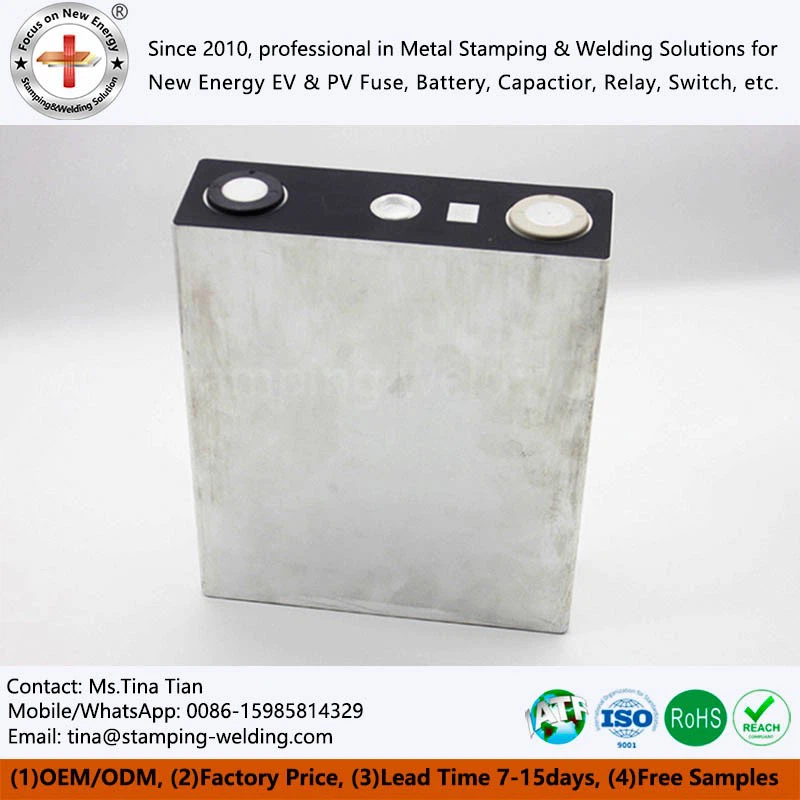

Light Weight Design Pack Aluminum Housing
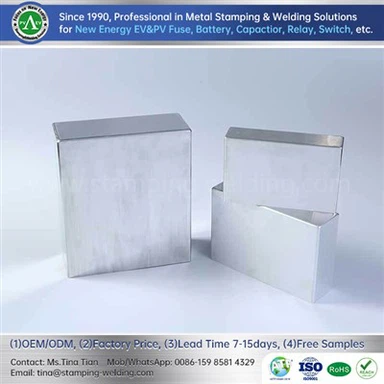
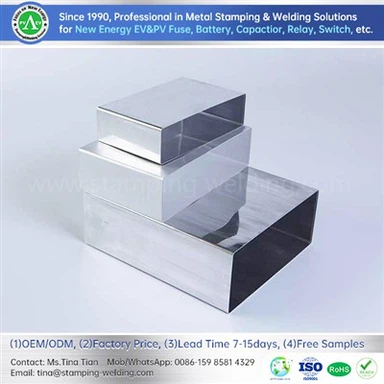
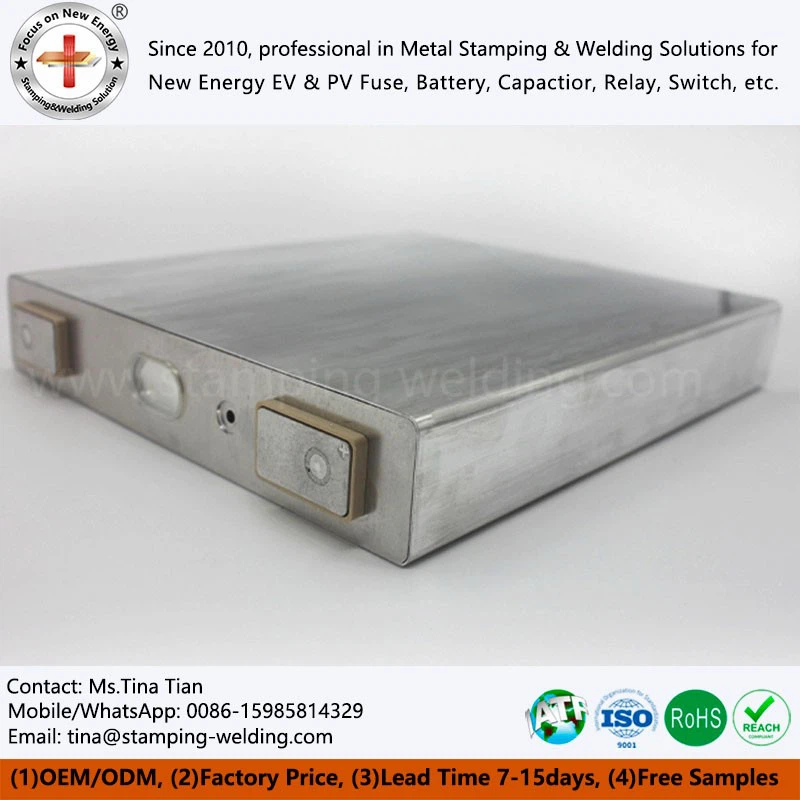
Light weight Design Pack Aluminum Housing is a high-performance housing designed specifically for lithium batteries, aiming to provide safe, reliable and efficient protection and packaging for lithium batteries. It has many excellent properties and is widely used in various types of lithium battery products, from consumer electronic devices to large energy storage systems such as electric vehicles.
- Fast Delievery
- Quality Assurance
- 24/7 Customer Service
Product Introduction
Product Profile
The light weight design pack aluminum housing of this lithium battery is made of high-strength aviation-grade aluminum alloy material and is specially designed for the protection and heat dissipation of high-performance lithium batteries. Its superior thermal conductivity, sturdiness and corrosion resistance can effectively extend the service life of lithium batteries and ensure safe and stable operation of batteries in various environments.

Product Advantages
Product Advantages
Light weight and high strength
The relatively low density of aluminum alloys can significantly reduce the overall weight of lithium batteries compared to other metal casing materials, which is critical for weight-sensitive applications such as portable electronic devices and electric vehicles. At the same time, it has sufficient strength to effectively protect lithium batteries from external mechanical impact, extrusion and other physical damage.
Anti-corrosion
After proper surface treatment (such as anodizing, painting, etc.), the aluminum casing of lithium batteries can resist corrosion under different environmental conditions, ensuring the stability and reliability of lithium batteries during long-term use.


Electromagnetic shielding properties
In some electronic equipment, the aluminum casing of lithium batteries can play a certain electromagnetic shielding role, reducing the impact of external electromagnetic interference on the internal circuits of the battery, and also preventing the electromagnetic radiation generated by the battery itself from interfering with other components.
Excellent thermal conductivity
Aluminum is a metal material with high thermal conductivity. Lithium batteries generate heat during the charging and discharging process. Good thermal conductivity can quickly dissipate the heat and help maintain the stability of the internal temperature of the battery, thus improving the safety and service life of the battery.
Product quality and service
Product Production Proces
| Raw material procurement and inspection |
We choose high-quality aluminum alloy materials as the raw materials for the aluminum casing of lithium batteries. The chemical composition and physical properties of these aluminum alloy materials comply with strict industry standards. During the procurement process, we pay attention to factors such as the purity of raw materials and alloy composition ratio to ensure the quality of the final product. Each batch of aluminum alloy raw materials must undergo strict inspection before being put into production. Inspection items include chemical composition analysis (using equipment such as a spectrum analyzer to detect the content of alloy elements), mechanical property testing (such as tensile testing, hardness testing, etc.), and appearance inspection (checking whether there are defects, scratches, etc. on the surface of the material). Only raw materials that pass inspection can enter the production process. |
| Forming processing |
For some lithium battery aluminum casings suitable for the extrusion process, the inspected aluminum alloy raw materials are heated to a suitable temperature (usually around 400-500°C) and then fed into the extrusion machine. During the extrusion process, we precisely control parameters such as extrusion speed, pressure and temperature to ensure the dimensional accuracy, surface quality and internal structure uniformity of the aluminum profile. The extruded aluminum profile is quickly cooled by air cooling or water cooling to maintain its shape stability. For some shell parts that need to be manufactured by stamping process, the cut aluminum alloy plate is placed in the stamping die. The stamping machine applies tremendous pressure to plastically deform the sheet to obtain the desired shape. |
| surface treatment |
The aluminum shell is subjected to surface pretreatment, including degreasing, alkali washing, pickling and other steps to remove surface oil, oxide scale and other impurities, so that the aluminum surface is clean and activated. Then, the aluminum shell is placed as the anode into an electrolytic tank containing a specific electrolyte (such as sulfuric acid solution), and an aluminum plate or graphite is used as the cathode to pass direct current. During the electrolysis process, an oxidation reaction occurs on the aluminum surface, forming an aluminum oxide film. By controlling parameters such as electrolysis time, current density, and electrolyte temperature, the thickness and performance of the oxide film can be adjusted. Finally, according to customer needs, the oxide film can be dyed to make the aluminum shell have different colors. |
| Assemble | Assemble theindividual lithium battery aluminum casing components that have been machined and surface treated. According to the design structure of the shell, welding (such as laser welding, argon arc welding, etc.), riveting or screwing are used to connect the components together. During the assembly process, the assembly process requirements are strictly followed to ensure the sealing, integrity and structural strength of the shell. |
| Quality Control | Use airtight testing equipment (such as helium mass spectrometer leak detector, etc.) to test the sealing performance of the shell to ensure that the shell can effectively prevent external substances from entering the battery. Conduct thermal conductivity, electromagnetic shielding performance and other related performance tests on some shells to verify whether they meet the design requirements. |
| Packaging | Finally, the finished power battery shells are carefully packaged to protect them during transportation and storage. |

Packaging and Transportation
| Protective Packaging | Use shockproof and anti-collision materials, such as foam, plastic bags, EPE, etc., to ensure the stability of lithium batteries during transportation and avoid damage caused by external forces. Batteries should be firmly fixed in the packaging box to avoid shaking or colliding with each other during transportation. Flame-retardant packaging materials can be used on the outside of the battery to slow down the spread of fire in the event of failure. |
| Customized Solutions | For larger orders or special sizes, custom packaging solutions are available to ensure secure and safe delivery. |
| Global Shipping | Lithium batteries transported by air need to comply with IATA's dangerous goods transportation regulations, which include: limiting the maximum capacity of each battery pack, prohibiting the direct loading of lithium batteries in the passenger cabin, etc. Lithium batteries are often required to be transported below a certain charge level, usually below 30%, to reduce the risk of fire. |

In electric vehicles, electric motorcycles, electric bicycles and other electric vehicles, the aluminum casing of lithium batteries provides reliable protection for large-capacity lithium battery packs. Its high strength, high thermal conductivity and lightweight properties help improve the safety, range and overall performance of electric vehicles. For energy storage applications such as home energy storage systems and industrial energy storage power stations, the aluminum casing of lithium batteries can protect the lithium energy storage batteries from the impact of the external environment and ensure the stability and safety of the energy storage system during long-term operation.
Hot Tags: light weight design pack aluminum housing, China, manufacturers, suppliers, factory