
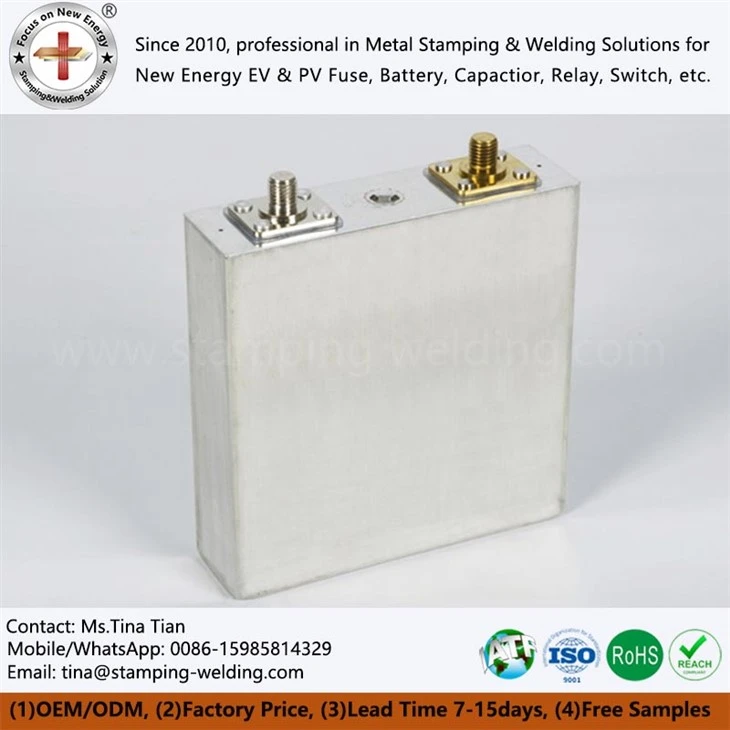
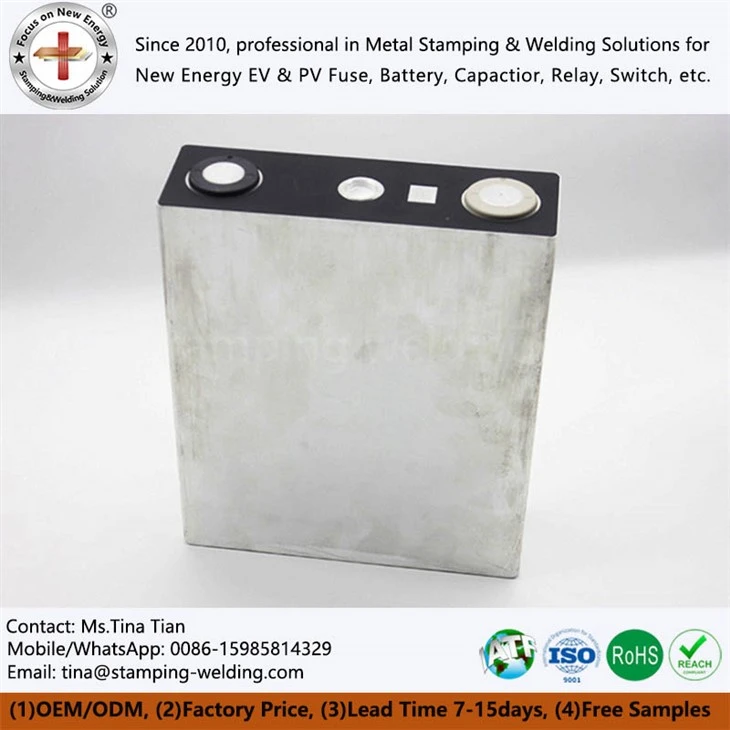
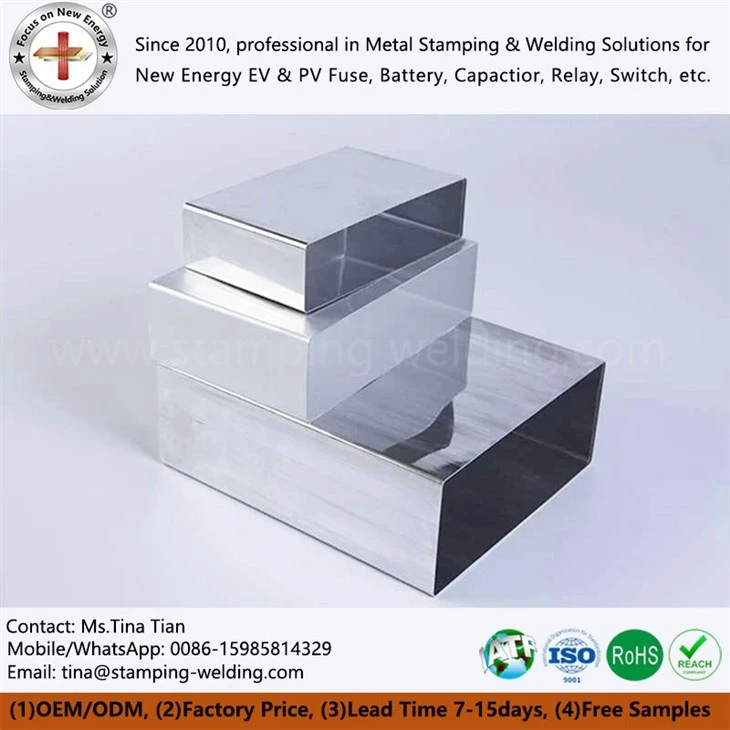
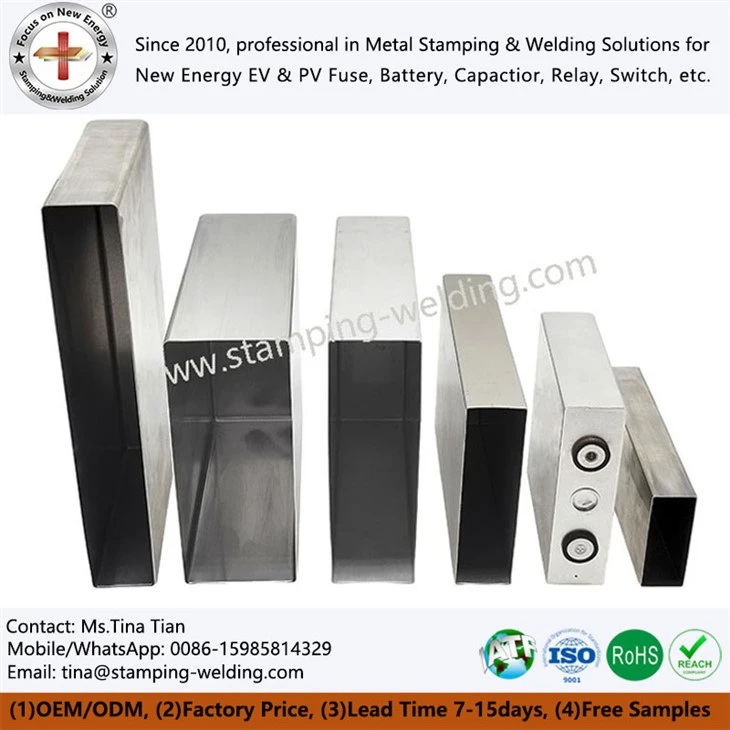
Prismatic Battery Case
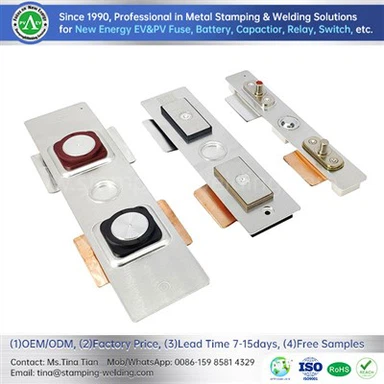
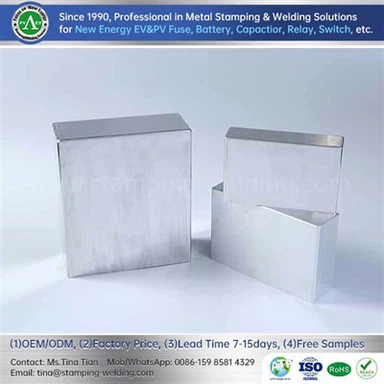
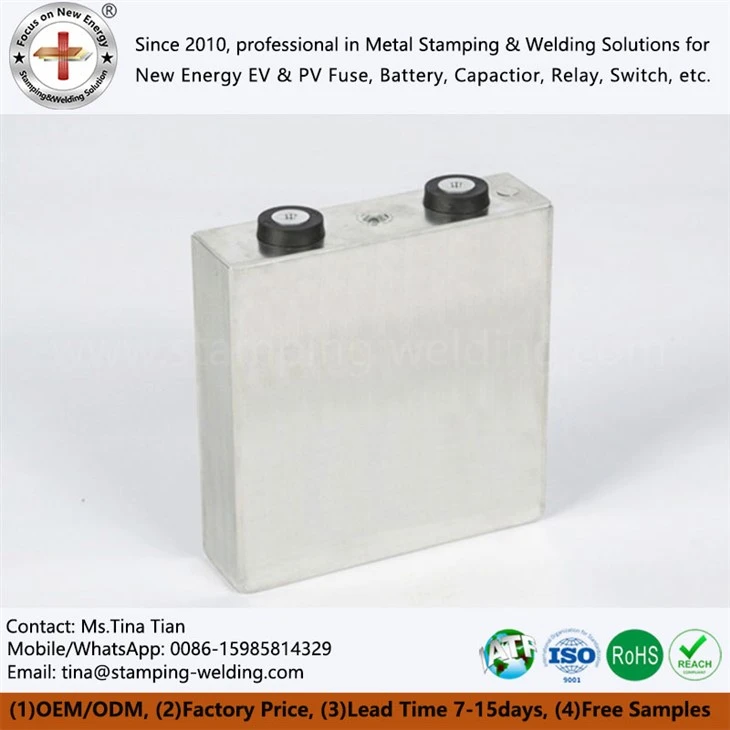
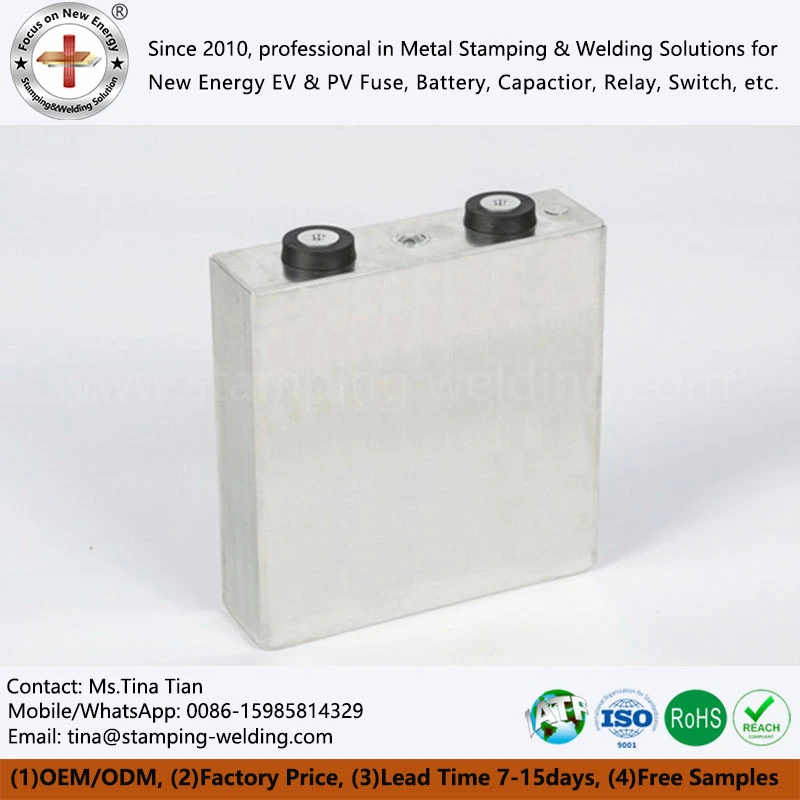
For power batteries in new energy vehicles, energy storage batteries, and other high-capacity lithium battery systems, the battery casing is not merely a "metal container"; rather, it is a precision structural component defined in conjunction with cell dimensions, top cover design, terminal positioning, sealing methods, and subsequent module assembly. Our prismatic battery cases utilize aluminum and aluminum alloys suitable for deep drawing and forming processes; we offer OEM/ODM solutions covering casing dimensions, wall thickness, opening configurations, and specific structural features tailored to the client's cell design. Prismatic battery casings typically require a balance of formability, structural strength, and weldability within the constraints of material thickness; consequently, material selection and the forming process must be engineered concurrently. Public technical data indicates that aluminum alloys such as AA3003 offer excellent plastic formability and weldability, making them ideal materials for applications like prismatic battery casings.
- Fast Delievery
- Quality Assurance
- 24/7 Customer Service
Product Introduction
Classifying aluminum casings merely as standard metal stampings is a common cognitive bias in procurement decision-making. In reality, they fulfill four distinct roles simultaneously:
Mechanical Load-Bearer: Continuously withstands the internal pressure generated by the expansion of the cell core during charge-discharge cycles, maintaining structural integrity and preventing leakage over thousands of cycles;
Sealing Boundary: Forms an airtight chamber through laser welding with the top cover, permanently blocking pathways for the ingress or egress of moisture and electrolyte;
Safety Enforcer: Works in tandem with the top cover's explosion-proof valve to release pressure along a predetermined path during abnormal gas generation, thereby containing the risk of thermal runaway within the individual cell;
Structural Integrator: Acts as a load-bearing component of the battery pack, facilitating the transfer of forces during crushing, vibration, and drop events.
Understanding these four roles clarifies why "consistency" in the casing is more critical than "peak performance of a single unit"-battery production lines process units by the tens of thousands, and any dimensional deviation in a single casing is exponentially amplified during the welding and assembly stages.
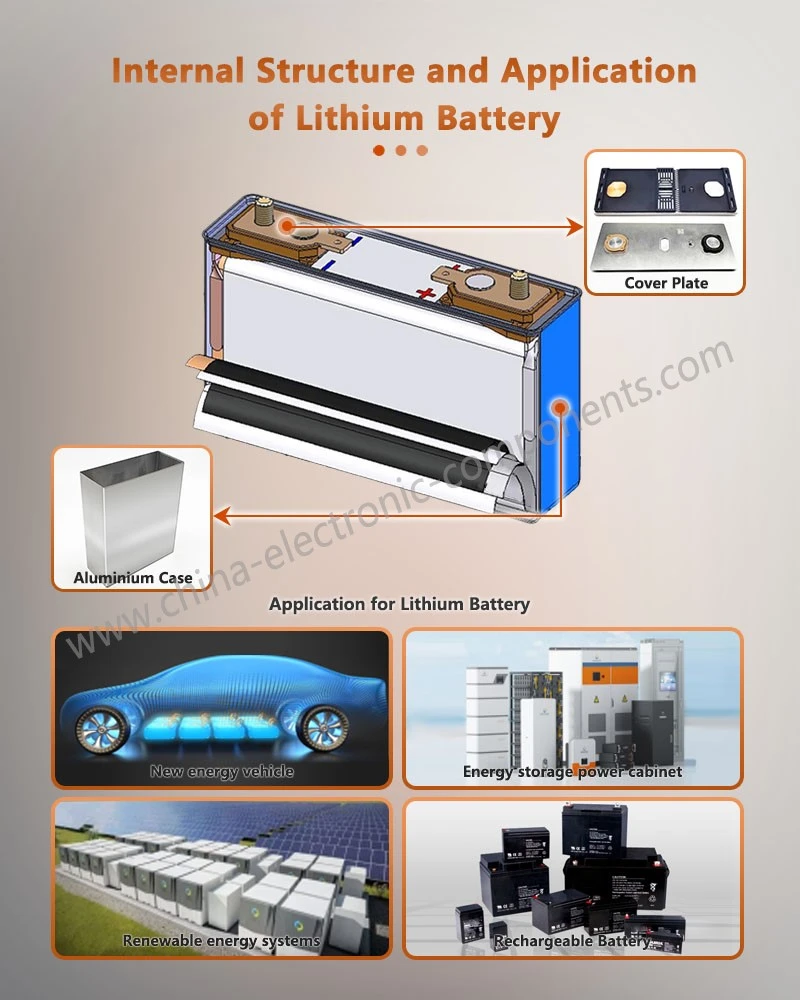
Application Scenarios and Integration Solutions of EV Battery Pouch Cell Aluminum Case
This series of aluminum alloy casings for prismatic lithium batteries accommodates a wide range of specifications (including high-capacity cells such as 50Ah, 100Ah, 280Ah, and 314Ah):
New Energy Passenger and Commercial Vehicle Battery Packs/Modules
Structural components for chassis battery packs in Battery Electric Vehicles (BEV) and Plug-in Hybrid Electric Vehicles (PHEV).
Grid-Scale Energy Storage Systems (ESS)
Casings for high-capacity Lithium Iron Phosphate (LFP) cells used in 20-foot and 40-foot containerized energy storage units.
Telecom Base Stations and UPS Backup Power
Cabinet-style battery modules designed for high reliability and long cycle life.
Heavy Machinery and Electric Marine Vessels
Power supply enclosures engineered for environments involving intense vibration and rigorous operating conditions.
LiFePO4 Aluminum Case Battery Cell Design Advantages and DFM: Mitigating mass production risks at the drawing stage
Forming Feasibility Review
Parameters such as deep-drawing ratios, draft angles, corner radii, and thinning rates are verified before design freeze, preventing situations where "designs look good, but molds cannot be manufactured."
01
Tolerance and Assembly Chain Optimization
Distinguishing between critical and non-critical dimensions ensures costs are allocated to features that genuinely impact assembly and safety.
02
Stress and "Breathing" Design
Sidewall rigidity, stiffening ribs, and fillet transitions are engineered to balance preload-bearing capacity with tolerance for cyclic deformation.
03
Integrated Explosion-Proofing and Insulation
Explosion-proof structures, terminal post insulation, and top-cover interface features-including potential isolation and sealing paths-are designed holistically rather than in isolation.
04

Frequently Asked Questions for LiFePo4 Prismatic Battery Aluminum Cells
Q1: We are developing a new battery cell size; what is the process from blueprints to prototype casings?
-
After you submit the dimensional drawings and cell type specifications, we first evaluate deep-drawing feasibility and wall thickness distribution, offering suggestions for structural optimization. Once the design is confirmed, we proceed to mold development and trial production, conducting multiple rounds of prototype verification until assembly and welding requirements are met.
Q2: How do you ensure high welding yields regarding the fit tolerance between the casing and the top cover?
-
We recommend aligning our respective process engineering teams early in the project. Critical dimensions for the flange and flatness standards will be jointly defined based on the characteristics of your laser welding equipment, thereby minimizing debugging costs at the source.
Q3: Can the internal surface cleanliness meet the requirements for the electrolyte filling process?
-
Our cleaning line performs batch-by-batch testing for particulate residue and moisture content, and we utilize clean packaging for shipment. Shipping standards can be aligned with and formally confirmed against your incoming quality control (IQC) specifications.
Q4: Do you support comparative selection for aluminum materials and surface treatment options?
-
Yes, we do. Depending on your application scenario-such as cycle life for energy storage or abuse tolerance for power batteries-we can provide comparative prototypes and explain the selection rationale, enabling data-driven decision-making.
Q5: How is dimensional consistency monitored during mass production?
-
During mass production, we employ a control system combining in-line monitoring and spot checks to manage wall thickness distribution, critical fit dimensions, and appearance, ensuring full batch data traceability.

contact us
If you are developing a new EV or ESS square Aluminum Case for a car LiFePO4 Battery Pack project, you can directly submit 2D/3D drawings and battery structure requirements. Our engineering team will conduct a manufacturing evaluation of materials, deep drawing, size control, and subsequent sealing and welding adaptation to provide engineering support for mass production introduction.

Hot Tags: Prismatic Battery Case, Prismatic Battery Aluminum Case, Prismatic Cell Aluminum Shell, Square Lithium Battery Case