
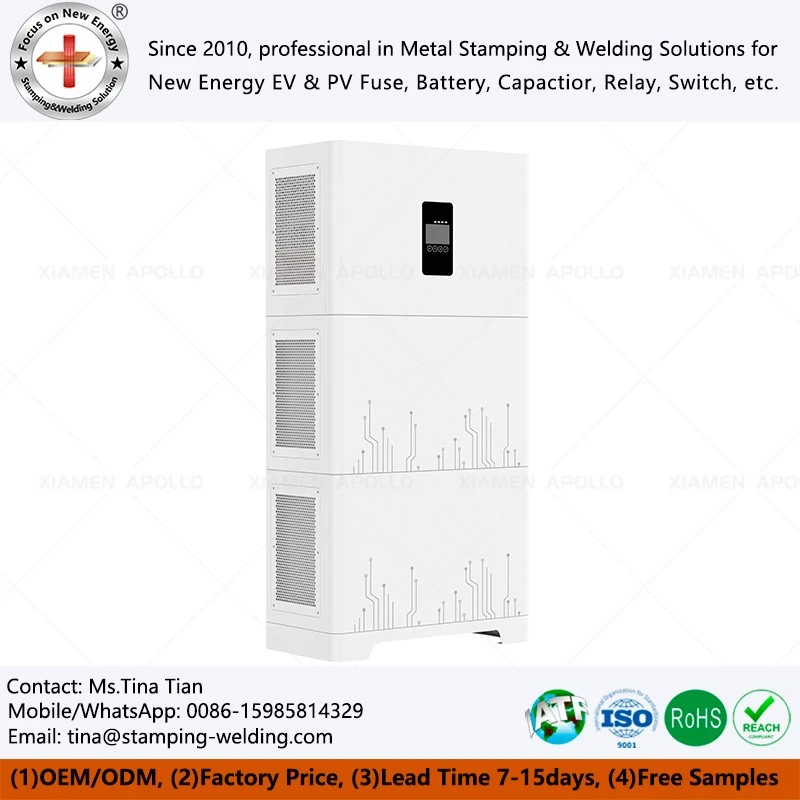
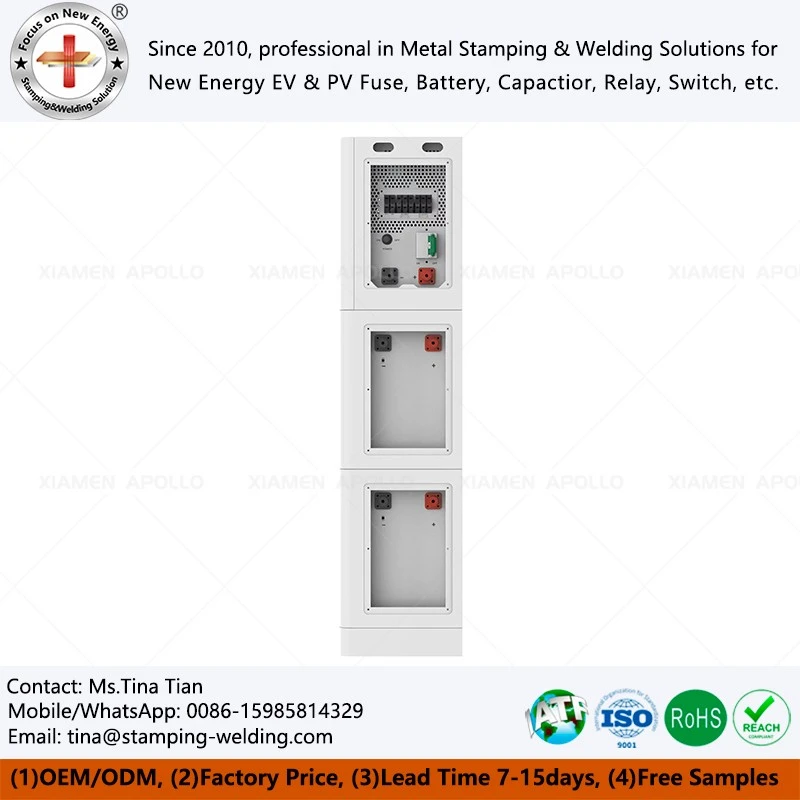
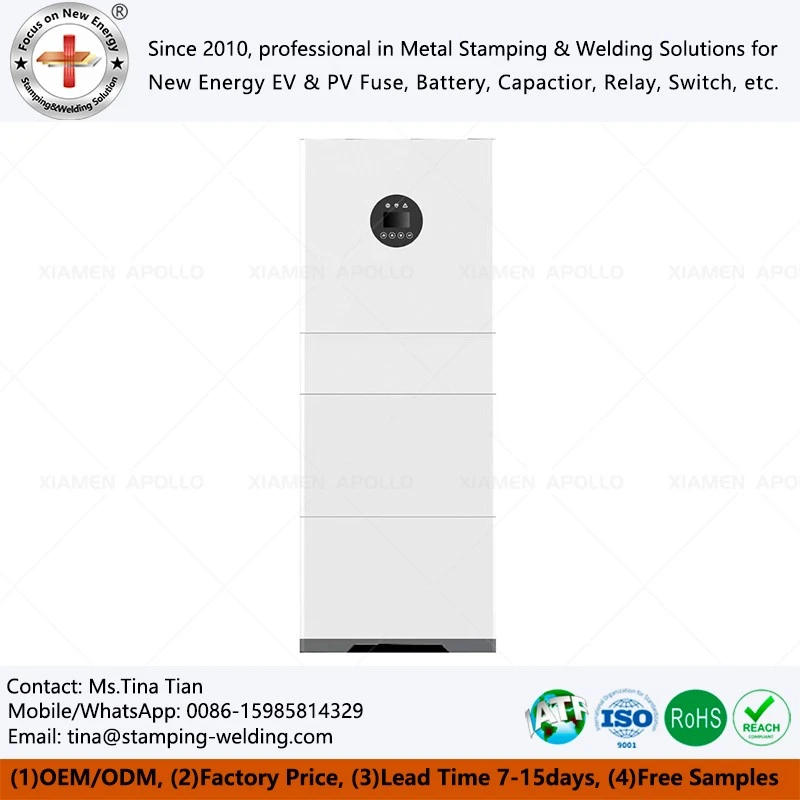
Solar Battery Storage For House
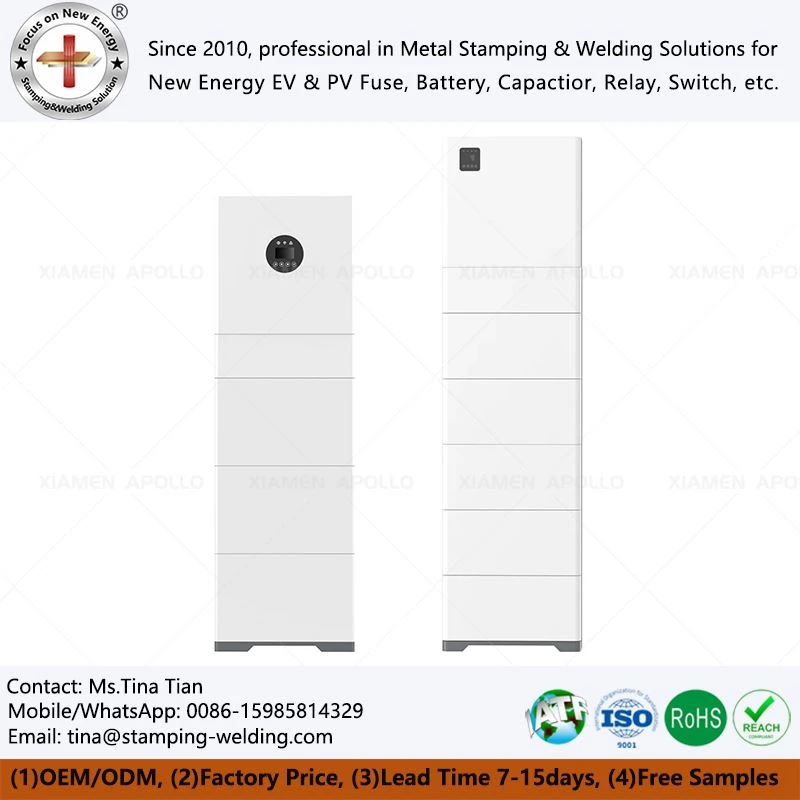
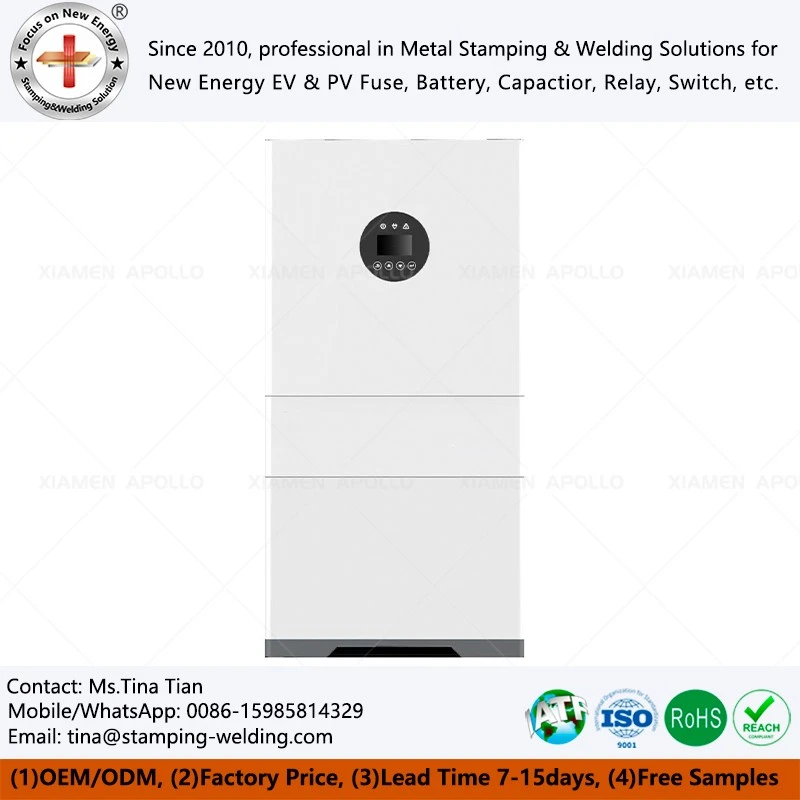
This Solar Battery Storage for House is designed for residential energy storage, supporting single-phase and three-phase hybrid inverters for excess PV storage, peak-time energy management and emergency backup. Its modular LiFePO4 battery architecture, Smart BMS, laser-welded connections, charge/discharge testing and aging validation support flexible capacity configuration for household loads such as HVAC, water pumps and critical equipment. Backed by 30+ years of electrical industry experience, in-house multi-process manufacturing and ISO 9001/IATF 16949 quality systems, we support OEM development from prototyping to mass production
- Fast Delievery
- Quality Assurance
- 24/7 Customer Service
Product Introduction
A Solar Battery Storage for House stores electrical energy generated by photovoltaic panels and supplies that energy to residential loads when solar production is unavailable or insufficient. The system can also operate without photovoltaic input where grid charging and backup power are required.For residential projects, the system configuration is determined by battery capacity, output power, operating voltage, backup load, installation location and inverter compatibility. A Home Battery Storage System without Solar can charge from the grid and discharge during peak-rate periods or grid outages.
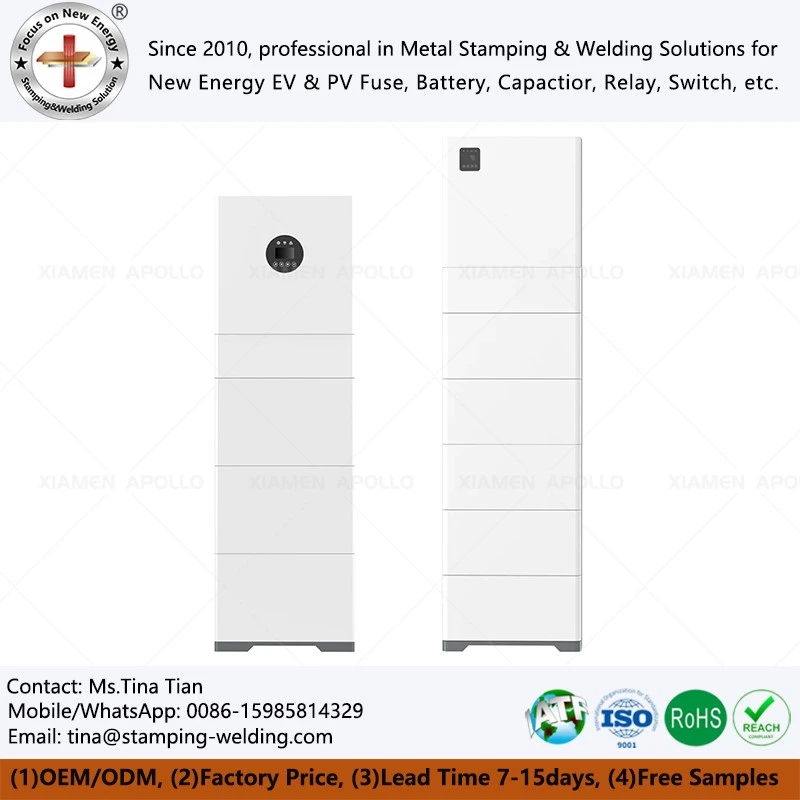
Technical Specifications of Solar Battery Storage for House
| Specification Parameter | Value / Material Standard | Engineering & Test Reference |
| Cell Chemistry | Lithium Iron Phosphate (LiFePO4) | Prismatic 3.2V 100Ah / 280Ah cells |
| Nominal Pack Voltage | 51.2V DC (16S Configuration) | Operates within 40.0V – 58.4V window |
| Energy Capacity Options | 5.12 kWh / 10.24 kWh / 14.3 kWh | Expandable up to 15 modules in parallel |
| Enclosure Fabrication Method | High-Precision Stamping & Deep Drawing | 3003-H14 Aluminum / SPCC Powder Coated |

Application of Solar Battery Storage for House
Hybrid Residential Solar Storage Systems
Functions as the core energy storage buffer when paired with single-phase or three-phase residential hybrid inverters, storing excess daytime photovoltaic generation for nighttime consumption and optimizing self-consumption rates for Solar Battery Storage for House.
Home Battery Storage System without Solar
Operates as a grid-tied residential backup power unit, charging from the grid during low-cost off-peak tariff hours and discharging during peak billing windows or unexpected utility power outages for Waterproof Wall-Mounted Residential Energy Storage System.
Whole-House Emergency Backup Power
Configurable in multi-module parallel banks to deliver sustained high-current output, ensuring uninterrupted operation of critical household loads, HVAC systems, water pumps, and home medical devices during extended grid failures for Residential Lithium-lon Battery Storage.

Frequently Asked Questions about Solar Battery Storage For House
Q: Can the Solar Battery Storage for House be used without solar panels?
A: Yes. A Home Battery Storage System without Solar can charge directly from the utility grid during off-peak tariff periods and discharge during peak-rate periods or power outages. This configuration is suitable for backup power and time-of-use energy management.
Q: How is excess photovoltaic energy used in a hybrid solar storage system?
A: During periods of high solar production, surplus PV electricity is directed to the battery instead of being exported or curtailed. The stored energy can then be discharged when household demand exceeds PV generation, increasing the usable share of locally generated solar energy.
Q: Can the battery system automatically provide backup power during an unexpected outage?
A: Yes, when paired with a compatible hybrid inverter and properly configured backup circuit, the system can switch from grid power to battery supply during an outage. The actual transfer behavior and backup capability depend on the inverter and the electrical architecture of the installation.
Q: What is the recommended battery chemistry for a residential solar storage system?
A: LiFePO4 is widely used for residential storage because its chemistry provides a strong balance of thermal stability, cycle capability and energy density. Final cell selection should consider required capacity, operating temperature, BMS architecture, target certification and the inverter's electrical specifications.
Q: How should battery capacity be selected for OEM residential projects?
A: Capacity should be calculated from the required usable energy, household load profile, backup duration and allowable depth of discharge. Inverter output must be evaluated separately because a large battery does not automatically provide sufficient instantaneous power for high-load appliances.

Contact Us
Send us your 2D/3D CAD drawings (STEP/DWG/IGES) or battery system electrical specifications for a rapid DFM review, structural analysis, and direct factory pricing within 24 hours.
Hot Tags: solar battery storage for house,home solar battery storage system,residential energy storage system,LiFePO4 home battery,solar energy storage battery,home battery storage manufacturer,residential battery storage supplier,custom home energy storage,OEM solar battery storage,LiFePO4 battery storage system,IP65 home energy storage,laser welded battery pack,modular residential energy storage,home energy storage manufacturer,residential solar battery supplier
No Information