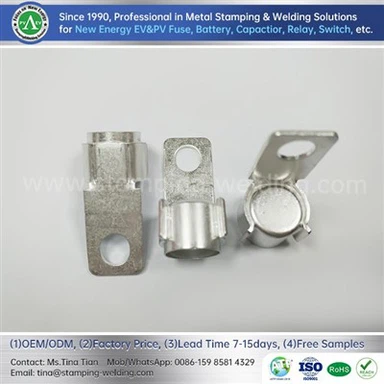
Stacked Busbar
Jul 26, 2023
introduce
Stacked busbars, also known as multilayer busbars or laminated busbars, are a specialized type of electrical interconnection component used to efficiently conduct high currents between different components or sections within electrical systems. These busbars consist of multiple layers of conductive materials, such as copper or aluminum, which are stacked and insulated from each other using high-quality insulating materials, typically in the form of adhesive films or insulating sheets.
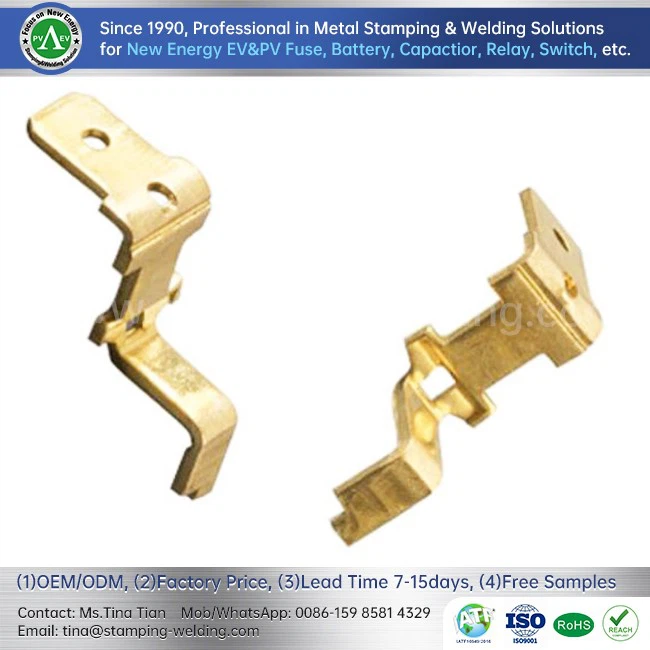
Manufacturing
- Material Selection: The manufacturing process begins with selecting high-quality conductive materials, such as copper or aluminum, for the busbar layers. The chosen materials should have excellent electrical conductivity and mechanical properties.
- Cutting and Forming: The selected conductive material is cut into the desired shape and size using precision cutting tools. The individual busbar layers are then formed to meet the specific design requirements, such as bending and shaping to fit the application.
- Insulation Layer Preparation: Insulating materials, such as adhesive films or insulating sheets, are prepared for the insulation layers between the conductive layers. These materials provide electrical isolation between the stacked busbar layers to prevent short circuits.
- Layer Stacking: The conductive layers and insulating layers are assembled in a specific sequence and stacked on top of each other. The exact number of layers and their arrangement depend on the desired current-carrying capacity and design specifications.
- Bonding: To create a strong and reliable bond between the conductive layers and the insulating layers, the stacked busbars undergo a bonding process. Heat and pressure are applied to fuse the layers together, ensuring a secure and robust connection.
- Compression and Lamination: The stacked busbars are subjected to compression and lamination processes to further enhance the bond between the layers. This step helps to ensure excellent thermal and electrical conductivity throughout the busbar assembly.
- CNC Machining: Precision CNC machining is employed to trim the stacked busbars to the final required dimensions and ensure smooth and accurate edges.
- Quality Testing: The finished stacked busbars undergo rigorous quality testing to ensure their electrical performance, mechanical strength, and thermal capabilities. Various tests, such as current carrying capacity, insulation resistance, and temperature testing, are conducted to verify the busbars' reliability.
- Finishing: Depending on the application and environmental requirements, the stacked busbars may undergo additional surface treatments or coatings to enhance corrosion resistance and thermal performance.
- Packaging: Once the stacked busbars pass all quality tests and inspections, they are carefully packaged and prepared for shipment to customers or further assembly into electrical systems.
Functions
- High Current Capacity: The primary function of stacked busbars is to carry and distribute high currents between different components or sections of electrical systems. The stacked design allows for the parallel flow of current through multiple conductive layers, enabling the busbars to handle higher current densities effectively.
- Reduced Resistance: By utilizing multiple conductive layers, stacked busbars can reduce the overall resistance of the electrical connection. Lower resistance leads to less power loss as heat and enhances the overall energy efficiency of the system.
- Improved Thermal Performance: The stacked configuration of busbars helps to dissipate heat more efficiently. The parallel flow of current through multiple layers distributes the heat evenly, reducing temperature rise during high-current operations and preventing overheating.
- Space Optimization: Stacked busbars allow for a compact and space-efficient design, making them ideal for applications with limited space constraints. Their high current-carrying capacity enables the use of fewer and smaller busbars compared to traditional single-layer busbars.
- Weight Reduction: The lightweight construction of stacked busbars contributes to weight reduction in the overall electrical system, particularly in applications where weight is a critical factor, such as electric vehicles and aerospace.
- Customization and Flexibility: Stacked busbars offer greater flexibility in design and customization. Manufacturers can adjust the number of layers, dimensions, and materials to meet specific current requirements and fit the unique needs of different applications.
- Improved Reliability: The use of high-quality insulating materials between the conductive layers provides electrical isolation, minimizing the risk of short circuits and enhancing the overall reliability and safety of the electrical system.
- Enhanced Current Distribution: Stacked busbars ensure uniform current distribution across all conductive layers, reducing the risk of hotspots and ensuring consistent performance in high-power applications.
- High Voltage Handling: The stacked design allows for efficient handling of high voltages, making them suitable for applications requiring high-voltage power transmission and distribution.
- Scalability: Stacked busbars are easily scalable to accommodate varying power demands and current requirements in different applications, making them versatile components in a wide range of industries.

applications
- Electric Vehicles (EVs): Stacked busbars are used in electric vehicle battery packs to efficiently distribute high currents between individual battery cells. Their compact and lightweight design allows for optimal space utilization and improved thermal management, contributing to the performance and range of electric vehicles.
- Renewable Energy Systems: In solar and wind power installations, stacked busbars are employed in power inverters and energy storage systems to handle the high currents generated during energy conversion and storage. Their low resistance and efficient thermal properties contribute to reliable energy transmission and storage.
- Industrial Power Systems: Stacked busbars are used in various industrial applications, including motor drives, UPS systems, and power distribution panels. Their high current capacity and space-saving design make them suitable for handling the demanding power requirements in industrial settings.
- Data Centers: Data centers rely on stacked busbars for efficient power distribution within server racks and power distribution units. The compact design of stacked busbars helps optimize space and minimize cable clutter, improving airflow and cooling efficiency.
- Aerospace and Aviation: Stacked busbars are used in aerospace and aviation applications to distribute power within aircraft and spacecraft systems. Their lightweight and efficient design contributes to weight reduction and overall energy efficiency.
- Energy Storage Systems: Stacked busbars play a critical role in large-scale energy storage systems, such as grid-scale battery installations. Their ability to handle high currents and efficient power distribution ensures the reliable and stable operation of energy storage systems.
- Telecommunication Systems: Telecommunication towers and network equipment use stacked busbars to efficiently distribute power and handle high currents in backup power systems. Their compact design and thermal performance are essential for reliable and continuous communication services.
- Industrial Automation: Stacked busbars are utilized in industrial automation systems to efficiently transmit power between different components and equipment. Their high current-carrying capacity and compact design contribute to the overall efficiency of automation processes.
- Marine and Offshore Applications: Stacked busbars are employed in marine vessels and offshore installations to handle high currents in various power distribution systems, including propulsion, power generation, and control systems.
- High-Performance Electronics: Stacked busbars find applications in high-performance electronic devices, such as power inverters, motor drives, and high-power servers, where efficient power distribution and thermal management are critical.
Our company sells various busbar and other related products. If you need anything, please feel free to contact us and we will reply as soon as possible!