The Difference Purpose Of Copper Bar For Tin Plating, Silver Plating And Nickel Plating
May 17, 2022
1. The purpose of tin-plated ,silver-plated & nickel -plated
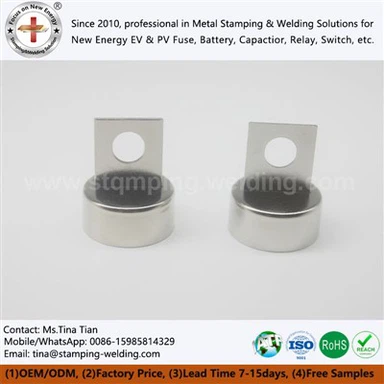
1) The purpose of copper tin plating: to effectively prevent copper from getting wet and green, and also to prevent copper oxidation/sulfurization and blackening to affect electrical contact. The service life of red copper after tin plating is extended several times or even ten times, which greatly improves the service life of red copper and plays a considerable role in the protection of red copper.
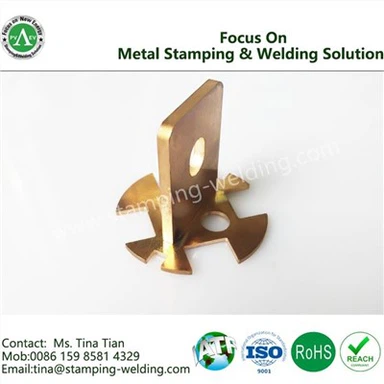
2) The purpose of silver plating on copper: to improve the conductive contact resistance and improve signal transmission. (Silver has the best performance, is easy to oxidize, and also conducts electricity after oxidation).
3) The purpose of nickel plating on copper: for primer or appearance, to improve corrosion resistance and wear resistance, (chemical nickel is the modern technology in which the wear resistance exceeds that of chrome plating).
2. Comparison among tin plating ,silver plating and nickel plating
1) Hardness: Nickel is harder than tin and has strong scratch resistance.
2) Soldering performance: tin is better than nickel and easier to solder.
3) Corrosion resistance: all are relatively good, stable in the atmosphere. It's just that the performance of nickel in dilute sulfuric acid is far worse than that of tin.
4) Weather resistance: tin is better than nickel.
5) Decorative: Nickel is bright and scratch-resistant and is mostly used for decorative electroplating of small hardware, while tin is mostly used for electronic hardware products in welding.
6) The electrical conductivity of tin and nickel is lower than that of copper, and the difference is not significant. If you want to think about it, consider that nickel is magnetic, while tin is not.
3. Plating
High tin plating can be seen from the appearance that tin plated products are brighter and silvery white. Compared with nickel plated products, it is darker, and the color is darker to improve wear resistance. Thick hard chrome can be plated to improve electrical conductivity. Silver plated, to improve solderability, tin or lead-tin alloy can be plated.
The difference in performance between tin plating, nickel plating and chrome plating on the copper surface: the hardness of the coating is chrome plating > nickel plating > tin plating; the appearance brightness (for a long time) is chrome plating > nickel plating > tin plating; chemical stability is nickel plating > chrome plating >Tinned.
The nickel-plated layer has high hardness and good chemical stability, so it is generally due to the coating of electronic device lead materials;
The tin-plated layer is soft and easily damaged, but it has good solderability, so it is often used as a coating for the soldering ends of electronic device leads.
The purpose is not only to facilitate the subsequent plating of other metals, but also to choose nickel plating or tin plating for different occasions with relatively strong adhesion and wear resistance. If it is an appearance part, generally choose nickel plating, which looks good and does not change color after high temperature test.