



Busbar For Electric Vehicle
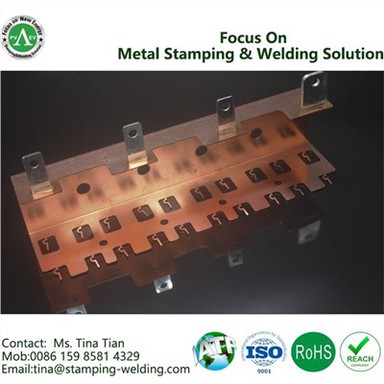
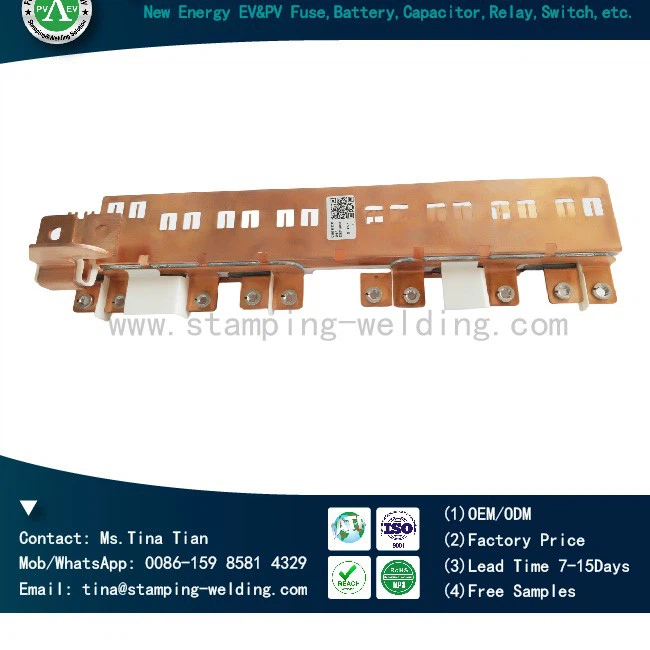
Busbars for Electric Vehicles play a critical role in optimizing the performance, efficiency, and reliability of electric propulsion systems, supporting the transition to cleaner and more sustainable transportation solutions.
- Fast Delievery
- Quality Assurance
- 24/7 Customer Service
Product Introduction
Products Description
Busbars for Electric Vehicles are essential components designed to facilitate the efficient and reliable distribution of electrical power within electric vehicle (EV) systems. Serving as the backbone of the vehicle's electrical architecture, these busbars play a crucial role in managing the flow of electricity from the high-voltage battery to various subsystems and components, including the electric motor, onboard electronics, charging system, and auxiliary systems.

Products Features
- Efficient Power Distribution
Busbars for Electric Vehicles ensure the seamless and efficient distribution of electrical power throughout the vehicle, optimizing energy transfer and minimizing power losses.
- Compact and Space-saving Design
With a compact and space-saving design, these busbars maximize space utilization within the vehicle's electrical system, allowing for efficient packaging of components and wiring while minimizing weight and size.
- High Voltage Handling Capability
Designed to handle high voltages safely and reliably, these busbars are built to withstand the demands of electric propulsion systems, ensuring performance and longevity under extreme conditions.
- Enhanced Safety and Reliability
Busbars for Electric Vehicles incorporate robust construction and secure electrical connections, minimizing the risk of electrical faults or system failures and enhancing overall safety and reliability.

the making process of busbar for electric vehicle
- Material Selection
The process begins with the careful selection of high-quality conductive materials suitable for busbar applications in electric vehicles. Common materials include copper and aluminum due to their excellent electrical conductivity and mechanical properties, making them ideal choices for Busbars for Electric Vehicles.
- Cutting and Shaping
Once the material is selected, it is cut into the desired dimensions using precision cutting tools such as CNC machines or laser cutting equipment. The material is then shaped according to the specific design requirements of the busbars, ensuring optimal fit and functionality within the electric vehicle's electrical system.
- Forming and Bending
The cut material undergoes forming and bending processes to achieve the desired shapes and configurations required for Busbars for Electric Vehicles. This step ensures that the busbars can accommodate the complex wiring layouts and spatial constraints of modern electric vehicle designs.
- Surface Treatment
After shaping, the busbars undergo surface treatment processes to enhance their electrical conductivity, corrosion resistance, and overall durability. Common surface treatments include plating with materials such as tin, nickel, or silver, which improve the performance and longevity of the busbars in harsh operating environments commonly encountered in electric vehicles.
- Insulation Application
In some cases, busbars may require insulation to prevent electrical short circuits and ensure safe operation within the vehicle's electrical system. Insulation materials such as heat-shrink tubing or insulating coatings are applied to the surface of the busbars as needed, providing an additional layer of protection against electrical hazards.
- Quality Control
Throughout the manufacturing process, strict quality control measures are implemented to ensure that the busbars meet the required specifications and standards for Busbars for Electric Vehicles. This may involve dimensional checks, electrical conductivity testing, surface finish inspection, and other quality assurance procedures to guarantee the reliability and performance of the final product.
- Assembly and Integration
Once the busbars have passed quality control checks, they are assembled and integrated into the overall electrical system of the electric vehicle. This may involve connecting the busbars to other components such as the battery pack, electric motor, power electronics, and auxiliary systems, ensuring seamless operation and optimal performance of the vehicle's electrical system.
- Testing and Validation
Finally, the assembled electrical system, including the busbars, undergoes rigorous testing and validation to ensure proper functionality, performance, and safety in real-world conditions. This comprehensive testing process helps identify any potential issues or defects and ensures that the Busbars for Electric Vehicles meet the highest standards of quality and reliability.

our partners

Contact us

Hot Tags: busbar for electric vehicle, China, manufacturers, suppliers, factory