

Tin Coated Copper Bus
Product Name:Tin Coated Copper Bus
barModel Number:ASWT-B018
Product Size:OEM/ODM
- Fast Delievery
- Quality Assurance
- 24/7 Customer Service
Product Introduction
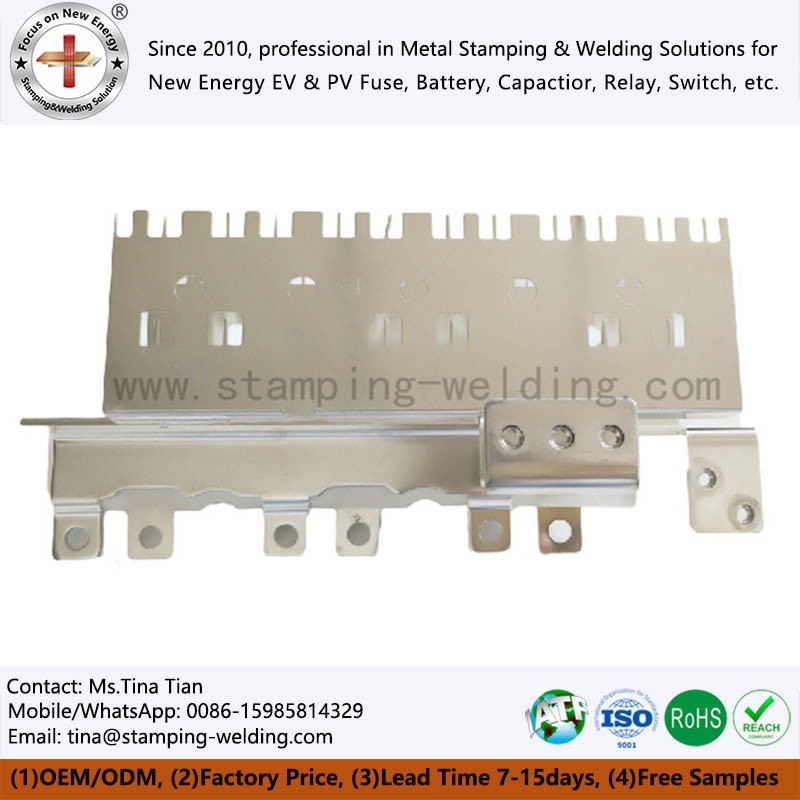
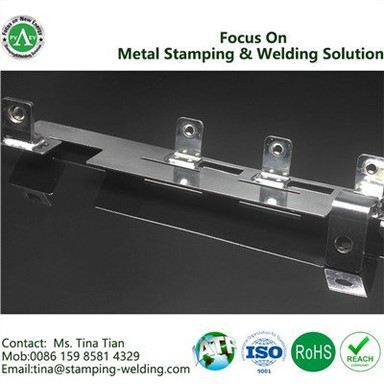
Tin Coated Copper Bus is designed for high-current and high-voltage power distribution in automotive electrical architectures.
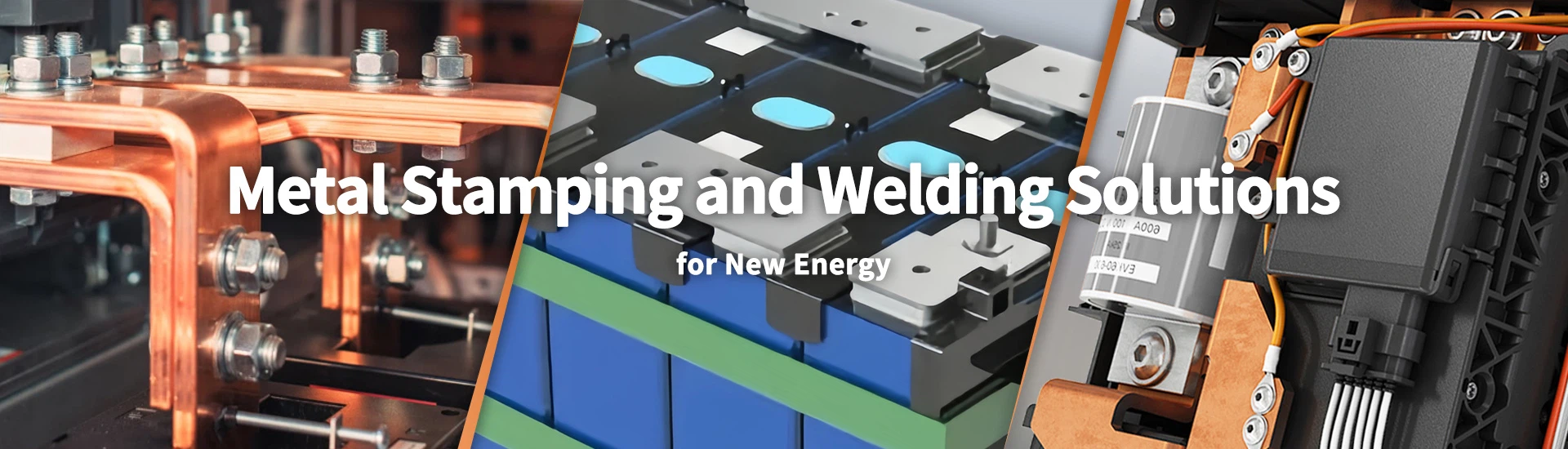
In busbar electric vehicle applications, electrical energy from the EV battery pack is transmitted to the vehicle's high-voltage system through a rigid copper conductor, replacing conventional cable harnesses.
By applying a controlled tin-plating layer on the copper substrate, the busbar achieves stable electrical contact, reduced surface oxidation, and improved compatibility with bolted or riveted connections. This structure supports long-term performance under thermal cycling and vibration conditions typical of automotive environments.
This configuration is commonly referred to as Tin Plated Copper BusBar for EV or Tin-plate Busbar Automotive, and is widely used in EV battery systems, DC link circuits, and capacitor connections.
Functional Role of Busbar in Automotive Systems
Electrical Transmission Logic
The busbar fulfills the fundamental electrical requirement of transmitting current, voltage, and control signals with low impedance.
Compared with flexible cables, a solid copper conductor provides predictable resistance and thermal behavior, which is critical for ev battery busbar applications operating under continuous high current.
01
Replacement of Large Cross-Section Cables
When replacing large-section cables, copper busbars reduce assembly complexity.
Bending and forming processes allow the conductor to follow predefined routing paths, minimizing installation tolerance accumulation and improving repeatability in automotive production lines.
02
Replacement of Small Cross-Section Wires
For signal or branch circuits, a busbar structure occupies less space and provides better fixation stability.
This supports compact packaging requirements in battery modules and power distribution units.
03
Current Convergence and Grounding
Busbars enable direct current convergence, grounding, and multi-point distribution within a single conductive structure.
This reduces connector count and simplifies wiring logic, improving system reliability.
04
Structural Integration After Machining
After stamping, bending, and surface treatment, the busbar can be directly fastened to structural components.
This integration approach shortens assembly steps and supports automated installation in EV platforms.
05

Material Structure and Surface Treatment
Base Material: High-purity copper selected for stable conductivity and thermal performance
Surface Treatment: Electro-tin plating applied to improve corrosion resistance and contact consistency
Functional Result:
Reduced contact resistance at bolted interfaces
Improved solderability where required
Stable electrical performance over service life
This structure is also applicable to Capacitor Busbar, DC Capacitor Busbar, and Capacitor laminating bus bar configurations, where surface stability and contact reliability are critical.

Manufacturing Scope and Process Coverage
The manufacturing capability covers the full process chain required for automotive and energy applications:
Tooling and die design
Prototype development
Precision stamping
Drawing and bending
Welding and riveting
CNC machining and finishing
This integrated process structure supports consistent quality control across Tin Plated Copper Busbar for EV, capacitor busbars, and laminated busbar components.

contact us

Hot Tags: tin coated copper bus, China, manufacturers, suppliers, factory