

Copper Foil Flexible Busbar For Rail Transit
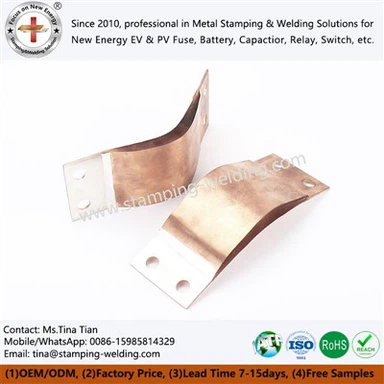
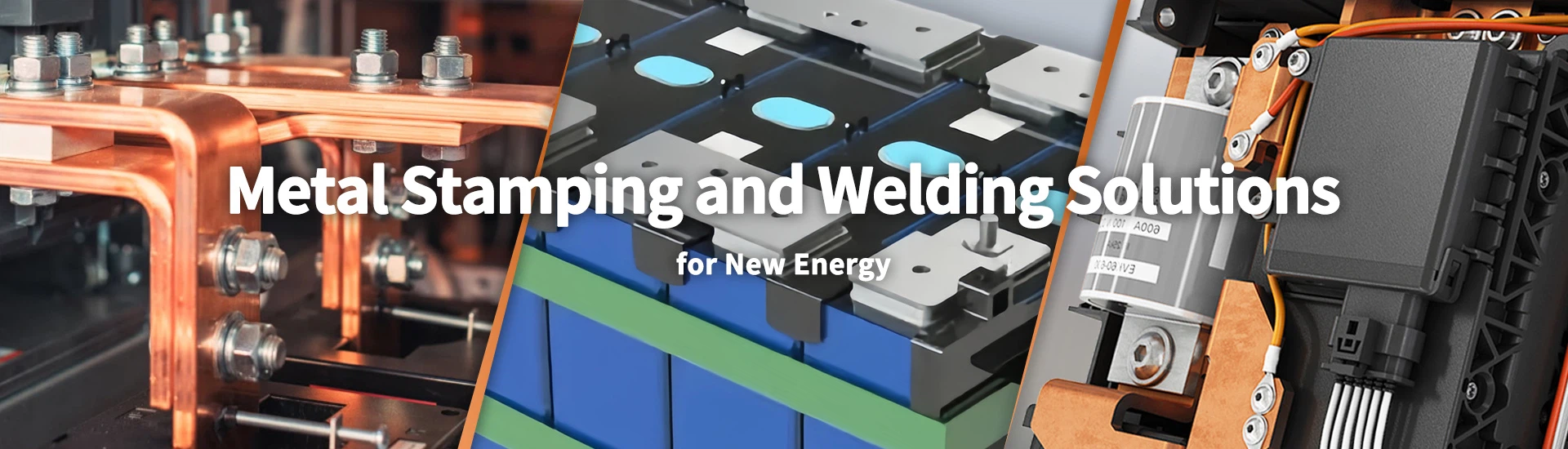
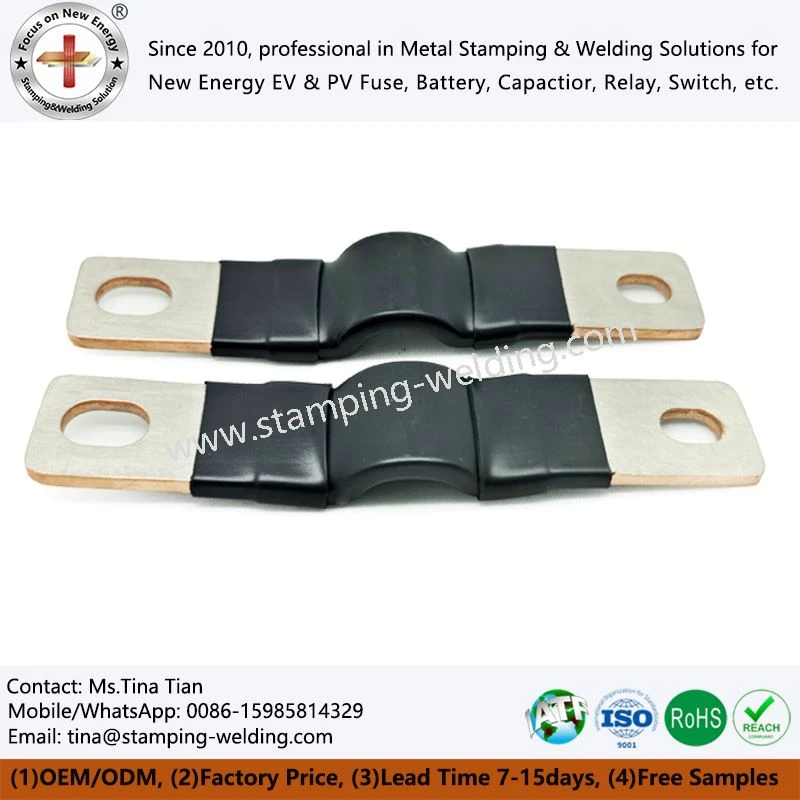
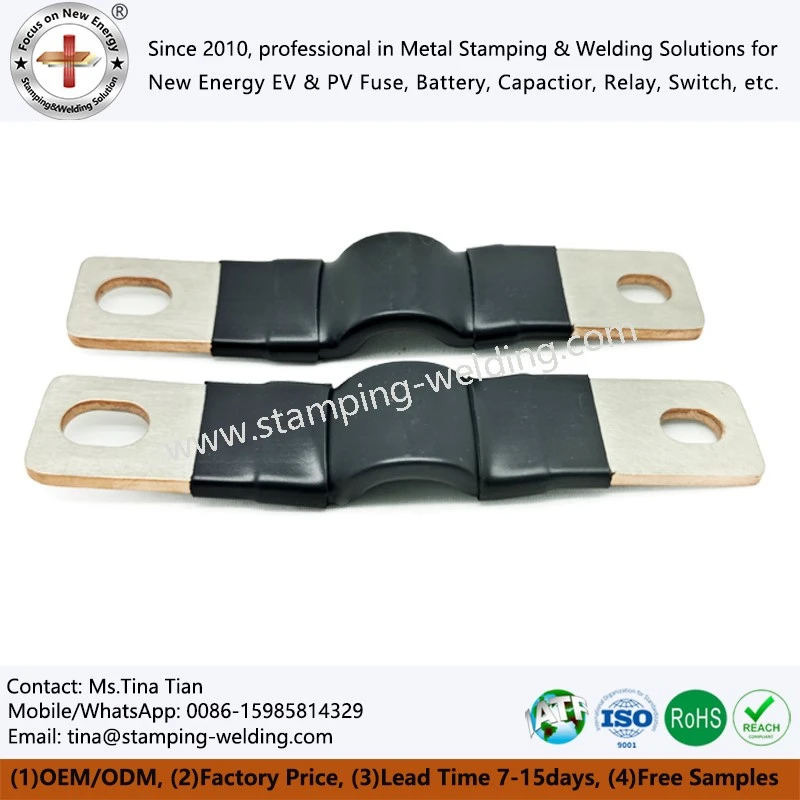
This Copper Foil Flexible Busbar for Rail Transit features a multi-layered structure of high-purity electrolytic copper foil, consolidated into a single unit through a solid-state diffusion bonding process. By eliminating the need for solder or bolted connections, it fundamentally removes the risk of fatigue-induced fracture—a common issue with traditional rigid busbars and cable harnesses in high-vibration environments. Smaller-sized versions are widely used for flexible series or parallel connections between battery cells and modules in new energy vehicles, while larger-sized versions serve high-current main circuits in sectors such as rail transit and electrical equipment. They act as indispensable connecting components in traction converters, auxiliary converters, high-voltage enclosures, and grounding return systems.
- Fast Delievery
- Quality Assurance
- 24/7 Customer Service
Product Introduction
Product Nature: Copper foil flexible busbars are high-current flexible connectors manufactured using a solid-state metallurgical bonding process, with multi-layer copper foil serving as the conductive substrate. They combine the low-impedance characteristics of a traditional busbar with the flexible strain-accommodation capabilities of a soft connector.
Key Features:
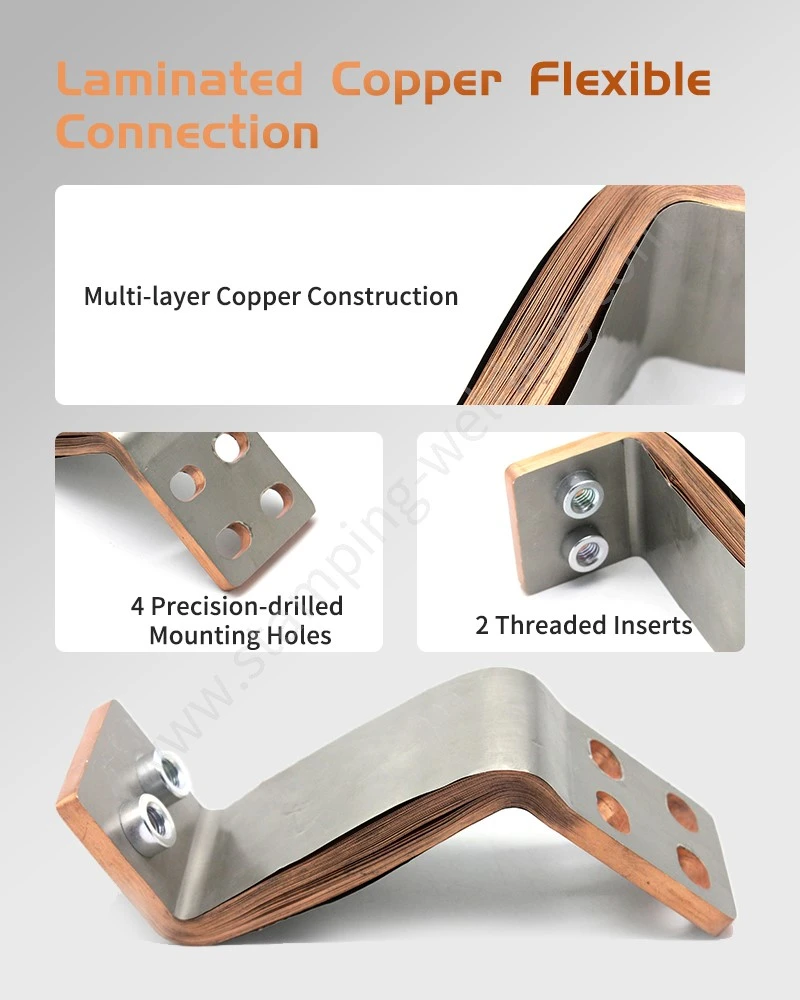
Multi-layer Foil Structure: Composed of dozens to hundreds of stacked, high-purity copper foils (each 0.05–0.2 mm thick). Small gaps between the layers allow for the absorption of installation tolerances and stresses caused by thermal expansion and contraction.
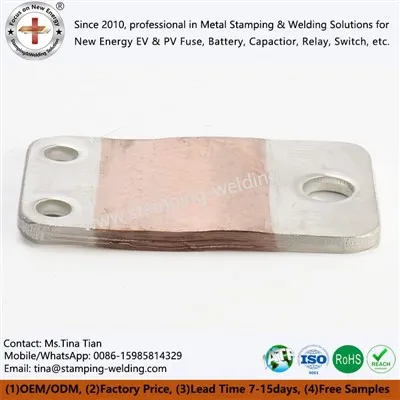
Solid-state Metallurgical Bonding: The connection zones-at the ends and the center-are joined via molecular diffusion welding, enabling copper atoms to interdiffuse at the molecular level. This ensures the electrical resistance at the joints is nearly identical to that of the base material.
Rigid-Flexible Integrated Design: The ends are pressure-welded into rigid conductive blocks to accommodate mounting bolts or terminals, while the central section remains flexible-an optimal mechanical configuration featuring "rigid ends and a flexible middle."
Technical Highlights for Copper Foil Flexible Connection
Low-Inductance Flat Structure
A multi-layer, parallel copper foil design significantly reduces the loop area of the power circuit. In high-di/dt environments-such as those found in traction converters-this effectively suppresses switching overvoltages and alleviates voltage stress on power components.
01
Multi-Degree-of-Freedom Compensation
A single unit can simultaneously accommodate lateral offsets, axial expansion/contraction, and angular deflection, effectively managing both cabinet installation tolerances and operational displacements.
02
Interlayer Anti-Wear Design
The flexible section can be equipped with internal isolation layers or surface anti-friction treatments, preventing material pulverization and cross-sectional loss caused by long-term micro-fretting between the foil layers.
03
Integrated Multi-Hole Terminal Design
Terminals can be configured with multiple holes, varying hole diameters, or dedicated positioning holes, balancing the requirements for electrical conductivity with those for mechanical fastening.
04
Integrated Temperature Monitoring
Aligned with the trend toward intelligent operation and maintenance, the design allows for the inclusion of temperature-sensing components, providing a data interface for monitoring connection-point temperatures within vehicle health management systems.
05
Application Advantages for Laminated Flexible Copper Foil Tape
Rail Transit
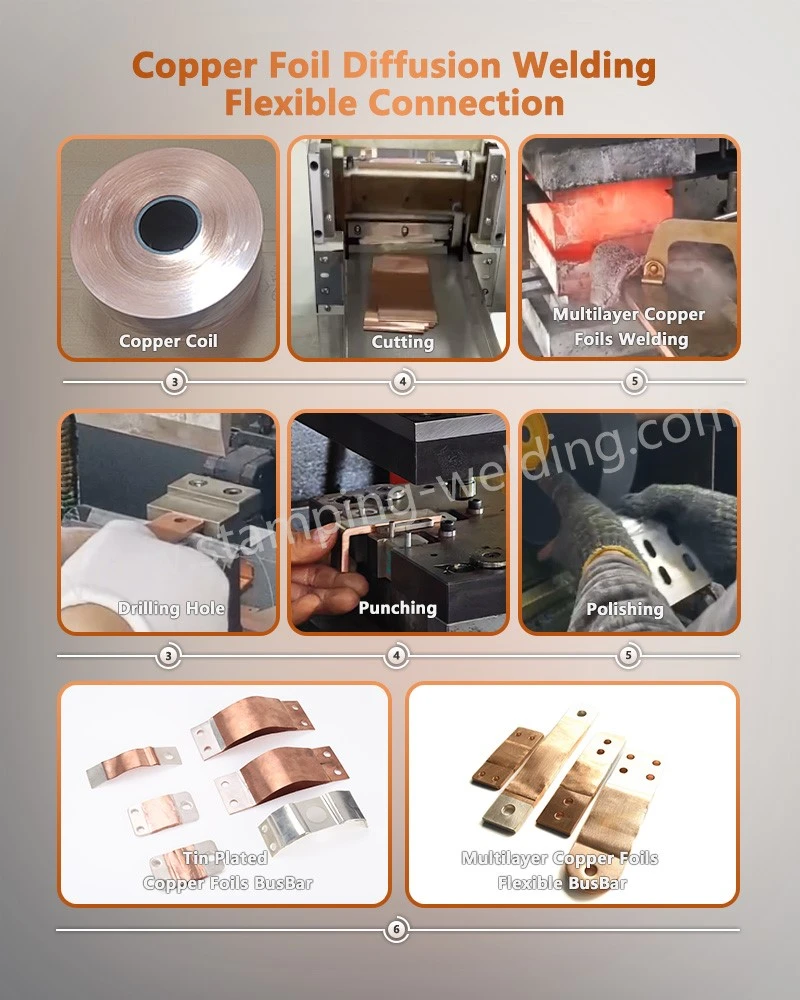
Used for converter interconnection, grounding return paths, and pantograph-related flexible connections within the traction systems of subways, light rail, and high-speed trains; designed with vibration resistance that meets the EN 61373 standard for vibration and shock environments.
New Energy Vehicles
Provides flexible connections between individual battery cells, battery modules, and between battery packs and high-voltage junction boxes, effectively accommodating the expansion and contraction of cells during charge-discharge cycles.
Electrical Equipment
Utilized for main circuit connections in high-power switchgear, soft starters, and frequency converters; serves as an alternative to large-cross-section cables, reducing the complexity of internal cabinet wiring.
Energy Storage Systems
Facilitates high-current flexible interconnection between battery clusters, accommodating thermal displacement caused by temperature variations in containerized energy storage units.
Frequently Asked Questions for Laminated Copper Foil Shunt
Q1: What are the advantages of copper foil flexible connectors compared to braided flexible connectors in rail transit applications?
-
A: Copper foil laminated structures offer higher current density and lower loop inductance. Furthermore, diffusion-welded joints are free from oxidation, discoloration, or loose strands; they do not suffer from the wire breakage or fraying often seen in braided connectors under long-term vibration. Their consistent appearance and superior connection reliability make them better suited for traction equipment.
Q2: What is the fundamental difference between your diffusion welding process and brazing?
-
A: Brazing relies on a low-melting-point filler metal to fill gaps, which carries risks of filler degradation and contact resistance drift. In contrast, our diffusion welding process causes copper foil atoms to diffuse into one another in a solid state, creating a metallurgical bond. The joint effectively becomes part of the base material, eliminating any concerns regarding interface resistance.
Q3: Can smaller-sized products be used in battery packs for new energy vehicles? How is the maximum current-carrying capacity determined for larger-sized products?
-
A: Small-sized copper foil flexible connectors are the industry-standard solution for interconnecting battery cells. For larger products, the current-carrying capacity is determined by the number of layers, foil thickness, temperature rise requirements, and heat dissipation conditions. We can provide customized calculations based on your specified rated current and available installation space.
Q4: Can these products withstand the vibration and shock environments typical of rail transit?
-
A: The flexible section absorbs vibration energy through micro-sliding between layers, while the transition zone between the rigid and flexible parts features optimized radii to eliminate stress concentrations. Our products can be designed and verified to meet EN 61373 standards for vibration and shock, offering significantly better long-term fatigue life than rigid busbars or brazed connections.
Q5: Do you support custom designs based on provided drawings, including non-standard or complex shapes?
-
A: Absolutely. We fully support custom specifications-including the length of the flexible section, bending radii, terminal mounting hole configurations, surface plating, and insulation methods-based on your drawings. Our process engineers are also available to assist with calculations regarding the number of layers, current-carrying capacity, and temperature rise.
contact us
The selection of rail transit connectors is essentially about selecting a reliable engineering partner for the twenty-year operation cycle. We do not compete at low prices to obtain orders, but use vibration fatigue verification capabilities, diffusion welding process depth, and early design collaboration for vehicle wiring to help customers solve the risk of connection points on the drawings. If you have Flexible Copper Laminated Foil Connectors requirements for rail transit projects, you are welcome to submit working condition descriptions and drawings to the inquiry page. Our rail transit connection engineers will respond with feasibility review comments and preliminary program suggestions within one working day.
Hot Tags: copper foil flexible busbar, rail transit busbar, flexible laminated copper connector, traction system busbar, vibration resistant busbar, metro electrical connector, LSZH busbar insulation