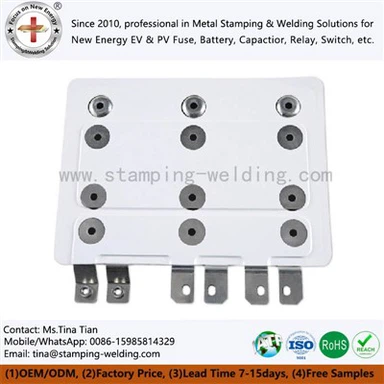
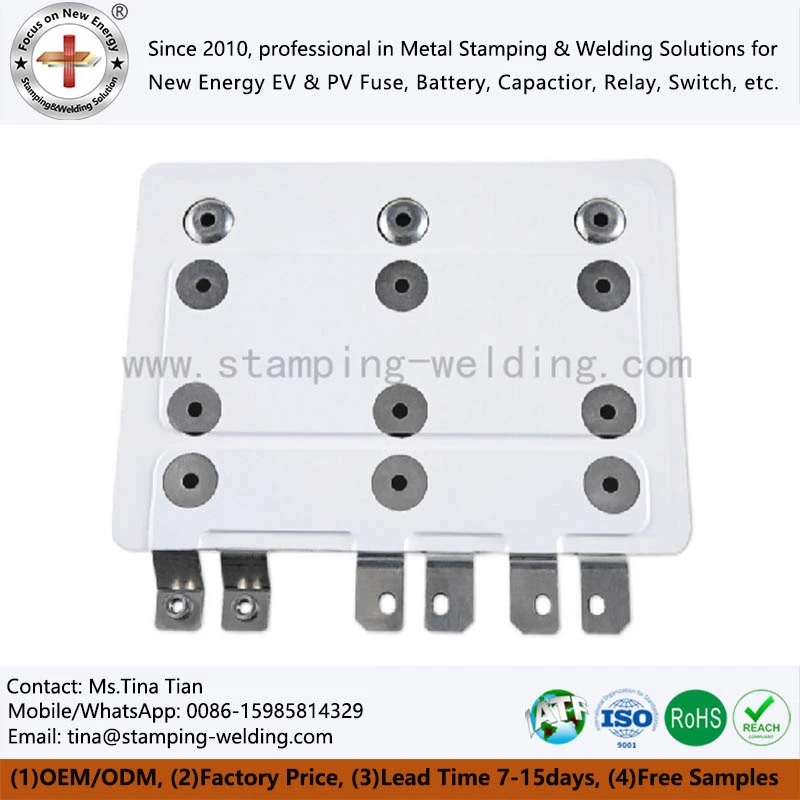

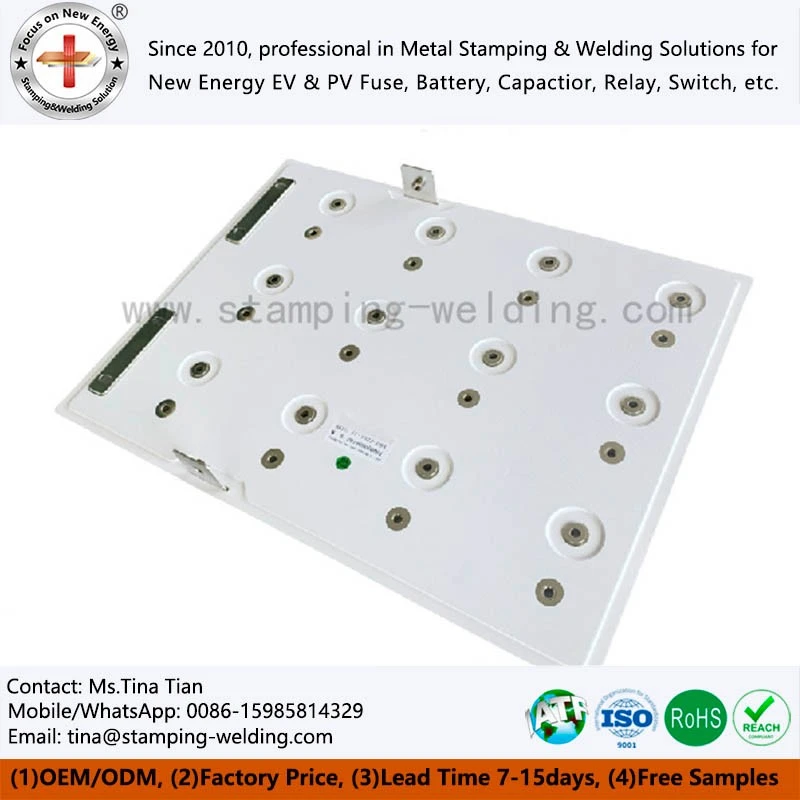
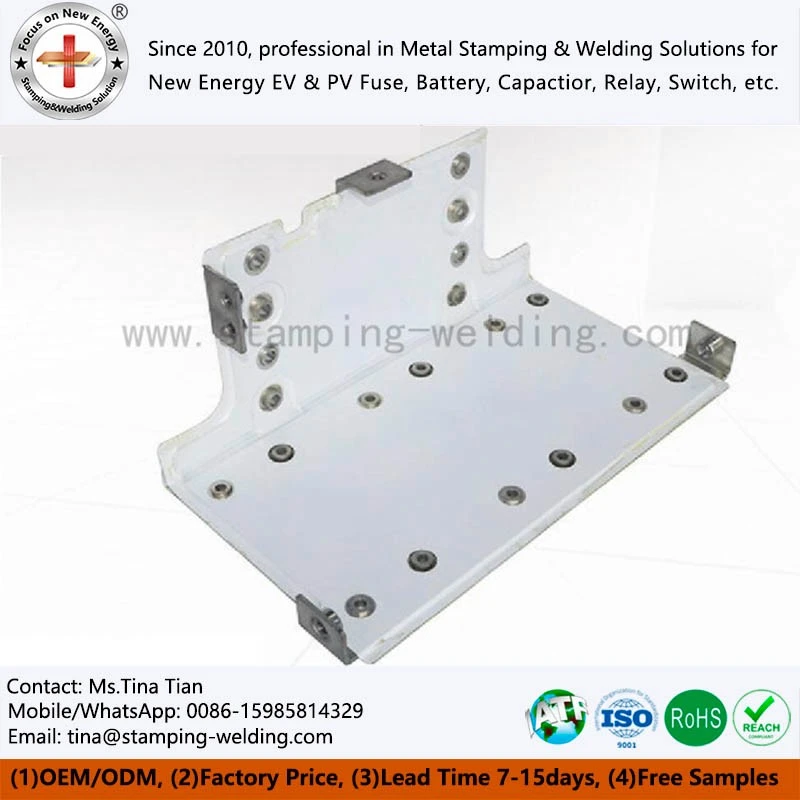
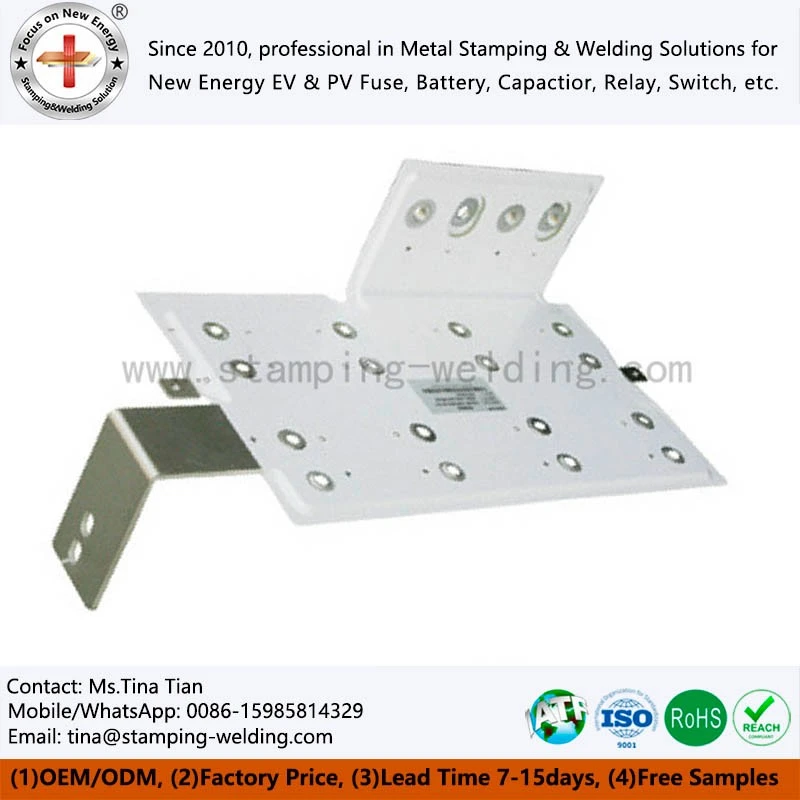
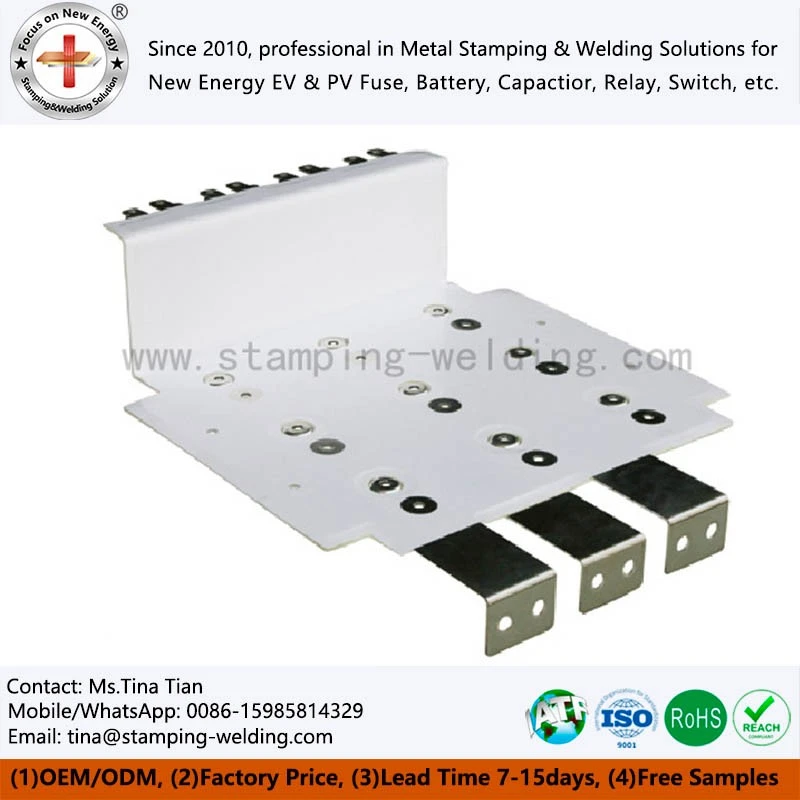
Copper Laminated Bus Bars
In the wave of global power electronics technology upgrading towards high power density, high reliability, and high efficiency, Copper laminated bus bars serve as the core conductive connection components of high-power power systems, undertaking the key missions of efficient power transmission, voltage stability support, and insulation safety protection.
- Fast Delievery
- Quality Assurance
- 24/7 Customer Service
Product Introduction

The continuous improvement of power density poses unprecedented challenges to electrical interconnection systems in fields such as new energy generation, rail transit traction, electric vehicles, and industrial frequency conversion. Copper laminated bus bars, with their extremely low distributed inductance, excellent heat dissipation performance, and highly integrated structural design, are replacing traditional cables and discrete copper bars as the preferred electrical connection solution for medium to high power converter equipment.
Manufacturing advantages
Large scale stable mass production
The monthly production capacity of Copper laminated bus bars can reach 50000000 pieces, with high consistency in automated production lines, capable of undertaking large quantities of orders and long-term stable supply, meeting the large-scale delivery needs of industries such as new energy, rail transit, and energy storage.
Full process manufacturing control
From copper cutting, precision stamping, bending forming to surface treatment and insulation lamination integration, the holes and dimensions of the Laminated copper bar have high precision and strong assembly adaptability, greatly reducing on-site installation errors and rework rates for customers.
Strict factory inspection system
Each Laminated copper busbar undergoes key performance tests such as resistance, insulation, withstand voltage, and partial discharge, and is 100% fully inspected before leaving the factory. In conjunction with ISO9001 and IATF16949 quality systems, it ensures high reliability and long-term stability.

Product Advantages
Ultra high conductivity and low loss performance
Motor drive laminated bus bar for power electronics uses high-purity copper substrate with a conductivity of ≥ 99.99% IACS and DC resistance of ≤ 0.00001 Ω. It has higher energy transmission efficiency and lower heat generation under high current conditions of 100A – 2000A, significantly improving the overall energy efficiency of the power system.
01
Excellent high-voltage insulation and safety reliability
Supporting high voltage loads of 3500-5000VDC, the insulation system meets UL94-V-0 flame retardant rating, and the working temperature covers -45 ℃~+150 ℃. It is resistant to creepage and partial discharge, greatly reducing the risk of short circuit, leakage, and breakdown, and ensuring the long-term stable operation of Laminated inverter busbars.
02
Low parasitic inductance and strong anti-interference ability
The multi-layered structure allows the positive and negative current magnetic fields to cancel each other out, effectively reducing parasitic inductance in the circuit, suppressing IGBT switch peak voltage and electromagnetic oscillation, reducing electromagnetic interference, protecting power devices, and improving system stability.
03
Compact structure, saving installation space
The integrated Laminated busbar connectors design replaces traditional discrete busbars and messy cables, with a smaller volume and cleaner layout, making it particularly suitable for space constrained scenarios such as new energy vehicles, energy storage, and rail transit, while simplifying the overall structural design and improving assembly efficiency.
04

Functional matching of surface treatment
Silver plating
with extremely low contact resistance (typical value<0.1 m Ω), suitable for high-frequency switches or high current density scenarios, such as the interface between IGBT modules and busbars. The coating thickness of the Partially laminated bus bar can be adjusted according to the number of insertions, with a common engineering range of 5-8 μ m.
Tin plating
Balancing conductivity and solderability, suitable for nodes that require soldering assembly, and with relatively low cost. Suitable for routine application scenarios that are cost sensitive but still require conductivity and welding. Provides stable contact performance and long-term corrosion resistance.
Nickel plating
Used as a barrier layer to prevent direct contact between the copper substrate and the external environment, significantly improving the corrosion resistance of the Three-layer laminated busbar, especially suitable for strong corrosive environments such as offshore wind power and chemical industry, and ensuring stable performance.
Ultrasonic cleaning
Removing oil and oxide on the surface of copper foil before insulation lamination of Copper laminated bus bars is a key pre process to ensure the adhesion of insulation film and the qualification rate of partial discharge. It effectively improves insulation reliability and extends service life in harsh vehicle working conditions.

contact us
You can conduct technical benchmarking based on existing product parameters. Our professional team has unique professional knowledge and rich experience, which enables us to tackle complex projects with ease and efficiency. Please feel free to contact us.

Hot Tags: copper laminated bus bars, China, manufacturers, suppliers, factory