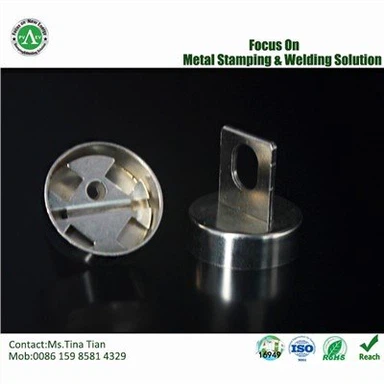


New Energy Car Fuse Cap
A New Energy Car Fuse Cap, also known as an Electric Vehicle (EV) Fuse Cap, is a key component used in electric vehicles (EVs) to ensure the safety and reliability of their electrical systems. These fuse caps are specifically designed to protect the vehicle's electrical circuits from overcurrent conditions and electrical faults.
- Fast Delievery
- Quality Assurance
- 24/7 Customer Service
Product Introduction
Products Description
The primary function of a New Energy Car Fuse Cap is to interrupt the flow of electrical current when it exceeds safe levels, preventing damage to the vehicle's wiring, components, and batteries. This protection is vital in EVs, where high-voltage electrical systems are used to power various functions, including propulsion, charging, and auxiliary systems.
These fuse caps are typically rated for specific current and voltage levels, and they are installed at critical points in the vehicle's electrical system. In the event of a fault or overcurrent condition, the fuse cap will blow or disconnect the circuit, effectively stopping the flow of electricity and preventing potential hazards such as fires or component damage.
New Energy Car Fuse Caps are an integral part of electric vehicle safety systems, ensuring that the vehicle's electrical systems operate smoothly and reliably while minimizing the risk of electrical failures or accidents.

Product Feature
- Overcurrent Protection: These fuse caps are designed to provide reliable overcurrent protection. When the electrical current exceeds safe levels due to a fault or malfunction, the fuse cap will blow, interrupting the circuit and preventing further damage.
- Safety Assurance: They play a crucial role in ensuring the safety of EVs by preventing overheating, electrical fires, and damage to sensitive electronic components. This feature is particularly important in high-voltage EV systems.
- Voltage and Current Ratings: New Energy Car Fuse Caps are available in various voltage and current ratings to suit the specific requirements of different EV models and electrical systems.
- Compact Design: They are designed to be compact and space-efficient, allowing for easy integration into the vehicle's electrical system.
- Quick Response: Fuse caps respond rapidly to overcurrent conditions, minimizing the risk of electrical damage and ensuring the safety of the vehicle and its occupants.
- Easy Replacement: In case of a blown fuse cap, they can be replaced relatively easily, ensuring minimal downtime for the EV.
- Durability: These fuse caps are built to withstand the demands of automotive environments, including temperature variations and vibrations, ensuring long-term reliability.
- Compliance with Standards: They adhere to industry standards and safety regulations, providing assurance that they meet the necessary quality and safety criteria.
- Customization: Manufacturers often offer customization options to match the specific requirements of different EV manufacturers and models.
Product Testing
- Electrical Performance Testing: This involves evaluating the fuse cap's ability to carry rated current under normal conditions and its responsiveness to overcurrent situations. It ensures that the fuse cap can protect the EV's electrical system as intended.
- Overcurrent Testing: Fuse caps are subjected to overcurrent conditions to determine their response time and reliability in interrupting the circuit when excessive current flows. Testing verifies that they can quickly and effectively disconnect power during a fault.
- Temperature Testing: EVs operate in a wide range of temperatures. Fuse caps are tested under various temperature conditions to ensure they maintain their electrical characteristics and safety features across the entire operating range.
- Vibration and Shock Testing: Electric vehicles are subject to vibrations and shocks while driving. Fuse caps are tested to assess their durability and ability to remain securely connected even under these conditions.
- Environmental Testing: Fuse caps are exposed to environmental factors like humidity, salt spray, and chemical exposure to ensure they can withstand harsh conditions without degradation.
- Mechanical Testing: This involves evaluating the mechanical strength and robustness of the fuse cap, including its resistance to physical impacts and external forces.
- Endurance Testing: To simulate real-world conditions, fuse caps undergo extended testing cycles to ensure they maintain their performance over time.
- Compliance with Standards: Fuse caps must meet industry-specific safety and performance standards. Testing ensures compliance with relevant standards and regulations, such as ISO 8820 for automotive fuses.
- Quality Control: Rigorous quality control processes are implemented to identify and eliminate any manufacturing defects or inconsistencies in the product.
- Custom Testing: Manufacturers may conduct specialized tests based on the requirements of specific EV manufacturers or models to ensure compatibility and optimal performance.

product Standard
- Electrical Standards: These standards specify the electrical characteristics and performance requirements of fuse caps, including rated voltage, rated current, breaking capacity, and response time. In the context of electric vehicles, compliance with automotive electrical standards is critical.
- Environmental Standards: These standards define the environmental conditions under which fuse caps must operate effectively. They may include resistance to temperature extremes, humidity, salt spray, and exposure to chemicals typically encountered in automotive environments.
- Safety Standards: Safety standards focus on ensuring that fuse caps provide reliable protection against overcurrent conditions without posing risks to vehicle occupants or the electrical system. Compliance with safety standards helps prevent hazards like electrical fires.
- Durability and Reliability Standards: These standards address the mechanical strength, shock resistance, and vibration resistance of fuse caps. They ensure that the components can withstand the physical stresses encountered in an electric vehicle.
- Testing Standards: Standards specify the testing procedures and methodologies that manufacturers must follow to validate the performance and safety of fuse caps. This includes standard test conditions, equipment, and reporting requirements.
- Compliance with Automotive Regulations: In the context of electric vehicles, fuse caps must comply with automotive regulations and standards established by relevant authorities in different regions. These regulations may vary by country or jurisdiction.
- Custom Standards: Some electric vehicle manufacturers may have specific requirements or standards for components like fuse caps. Manufacturers need to ensure that their products meet these custom standards to ensure compatibility.
- Material Standards: Standards may also dictate the materials used in the construction of fuse caps, ensuring they are non-corrosive, heat-resistant, and suitable for automotive applications.
- Quality Assurance Standards: Quality control and assurance standards outline the processes and procedures that manufacturers must follow to maintain consistent product quality throughout production.
- Certification: Fuse caps that meet these standards often undergo third-party testing and certification to validate their compliance. Certification provides assurance to customers and regulators that the product meets specified standards.

Partner
We cooperate with many large enterprises, including some world-renowned automobile manufacturers, such as Mercedes-Benz, Tesla, Audi, Honda, etc. The selection of these partners fully reflects our reputation and professional knowledge in the industry.

contact us
Starting from 2010, our expertise has been focused on delivering specialized solutions in stamping and welding for a range of applications, including electric vehicle busbars and laminated busbars, contacts and caps for electric vehicles and photovoltaic systems, aluminum shells for power batteries, as well as steel and aluminum cans for power capacitors.

Hot Tags: new energy car fuse cap, China, manufacturers, suppliers, factory, Caps For Fuse Holders, Fuse Cap And Contact, Inner Cap For Solar Photovoltaic Fuse, Inner Cap With Hole For Fuse Base, Outer Cap For New Energy Electric Vehicle Fuse, T2 Copper End Caps For EV Fuse