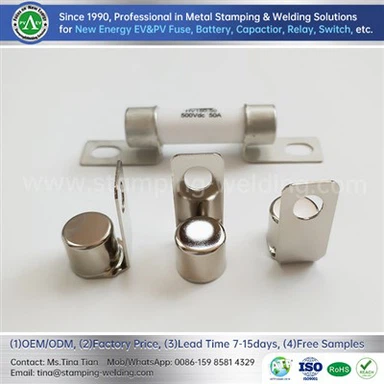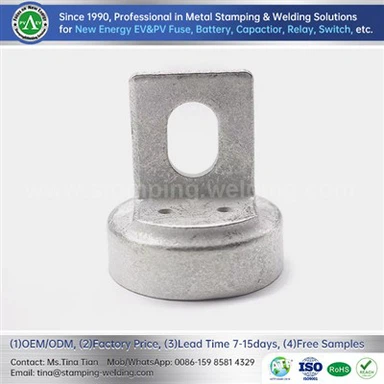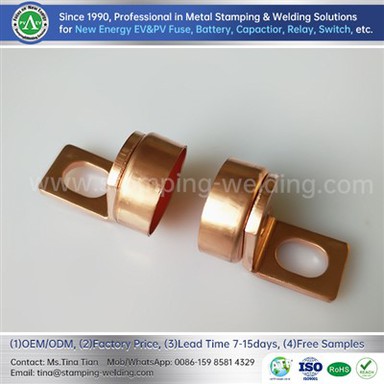


Current-limiting Fuse Cap
A Current-limiting Fuse Cap is a crucial component in electrical systems designed to protect against overcurrent conditions. It operates by rapidly interrupting excessive current flow, preventing damage to connected equipment and preventing electrical faults from spreading further. These fuse caps are engineered with precision to provide reliable and rapid current-limiting capabilities, ensuring the safety and integrity of electrical circuits.
- Fast Delievery
- Quality Assurance
- 24/7 Customer Service
Product Introduction
Products Description
Current-limiting Fuse Caps are commonly used in various applications, including industrial machinery, power distribution systems, and electrical panels. They are designed to handle a specific range of currents, and when that limit is exceeded, they quickly break the electrical circuit. This action helps prevent overheating, short circuits, and potential fires, making them an essential safety feature in electrical systems. Their compact and durable design allows them to fit seamlessly into existing setups, offering robust protection against electrical faults.
Surface Treatment
- Cleaning: The first step is to clean the surface of the fuse cap thoroughly. This removes any contaminants, dirt, or residues that may interfere with subsequent surface treatments.
- Preparation: After cleaning, the surface is prepared for treatment. This can involve processes like etching, which roughens the surface to enhance adhesion, or chemical treatments to improve the surface's conductivity.
- Plating: The most common surface treatment for Fuse Caps is plating. Plating involves depositing a thin layer of metal onto the surface. Common metals used for plating include gold, silver, tin, or nickel. Each metal provides specific benefits, such as corrosion resistance, improved electrical conductivity, or solderability.
- Quality Control: After plating, quality control measures are implemented to ensure that the plating adheres properly and meets specified standards. This can involve visual inspection, thickness measurements, and adhesion tests.
- Passivation: In some cases, especially for materials like aluminum, passivation may be applied. Passivation is a chemical process that forms a protective layer on the surface to prevent corrosion.
- Testing: The treated fuse caps undergo various tests to verify their electrical and mechanical properties. This includes testing for conductivity, insulation resistance, and solderability.
- Packaging: Once the Fuse Caps have passed all quality control tests, they are packaged and prepared for distribution to customers.
Customized Service
- Material Selection: Customization often begins with material selection. Depending on the application, you can choose from a range of materials, including different metals, alloys, or even insulating materials. The choice of material impacts factors like conductivity, durability, and heat resistance.
- Size and Shape: Fuse Caps can be customized in terms of their dimensions and shape to fit specific requirements. This includes variations in diameter, length, or special geometries to accommodate unique fuse designs.
- Plating and Coatings: The type of plating or coating on the Fuse Cap can be tailored to meet specific performance needs. For instance, you can opt for gold plating for excellent conductivity, or choose a corrosion-resistant coating for harsh environments.
- Mounting Options: Depending on the intended use, Fuse Caps can be customized with various mounting options. These may include threaded ends, solder tabs, or specialized connectors for easy installation.
- Labeling and Marking: Fuse Caps can be marked or labeled with important information such as voltage ratings, current limits, or manufacturer logos. Customized labeling ensures clear identification and compliance with industry standards.
- Testing and Certification: Customized Fuse Caps can undergo specific testing and certification processes to ensure they meet industry standards and regulations. This is crucial for applications where safety and compliance are paramount.
- Packaging: Custom packaging options can be designed to meet your specific needs, whether it's bulk packaging for production or retail-ready packaging for end-users.
- Quantity and Lead Time: Manufacturers can work with customers to determine the required quantity and lead time for customized orders. This flexibility allows for efficient production and inventory management.
- Additional Features: Depending on your application, you may require additional features such as integrated indicators, sensors, or special connectors. Customization can accommodate these features.
- Consultation: It's essential to consult with a manufacturer or supplier who specializes in customized Fuse Caps. They can provide expert guidance on material selection, design considerations, and ensure that the customized components meet your specific needs.

Product Feature
- Safety: Fuse Caps provide a protective covering for fuses, reducing the risk of accidental contact with live electrical components. This enhances safety for both users and equipment.
- Fuse Protection: They securely hold and protect the fuse element, preventing it from being damaged or exposed to external elements. This ensures the fuse operates correctly when needed.
- Easy Installation: Fuse Caps are designed for easy installation and replacement of fuses. They often have standardized mounting options, such as screw-on, snap-fit, or soldering, making them user-friendly.
- Material Variety: Fuse Caps are available in various materials, including plastics, ceramics, and metals like aluminum or brass. The material choice depends on factors like conductivity, insulation, and environmental resistance.
- Customization: These components can be customized in terms of size, shape, and material to suit specific application requirements, ensuring a perfect fit.
- Corrosion Resistance: Some Fuse Caps come with corrosion-resistant coatings or plating, making them suitable for use in harsh environments or outdoor applications.
- Marking and Labeling: Many Fuse Caps are marked with important information such as voltage ratings, current limits, or fuse type compatibility for easy identification and compliance with safety standards.
- High-Temperature Tolerance: Some Fuse Caps are designed to withstand high temperatures, which is important in circuits that generate heat.

Our Partners
We have established partnerships with several prominent enterprises, including globally recognized automotive giants like Mercedes-Benz, Tesla, Audi, Honda, and more.

contact us
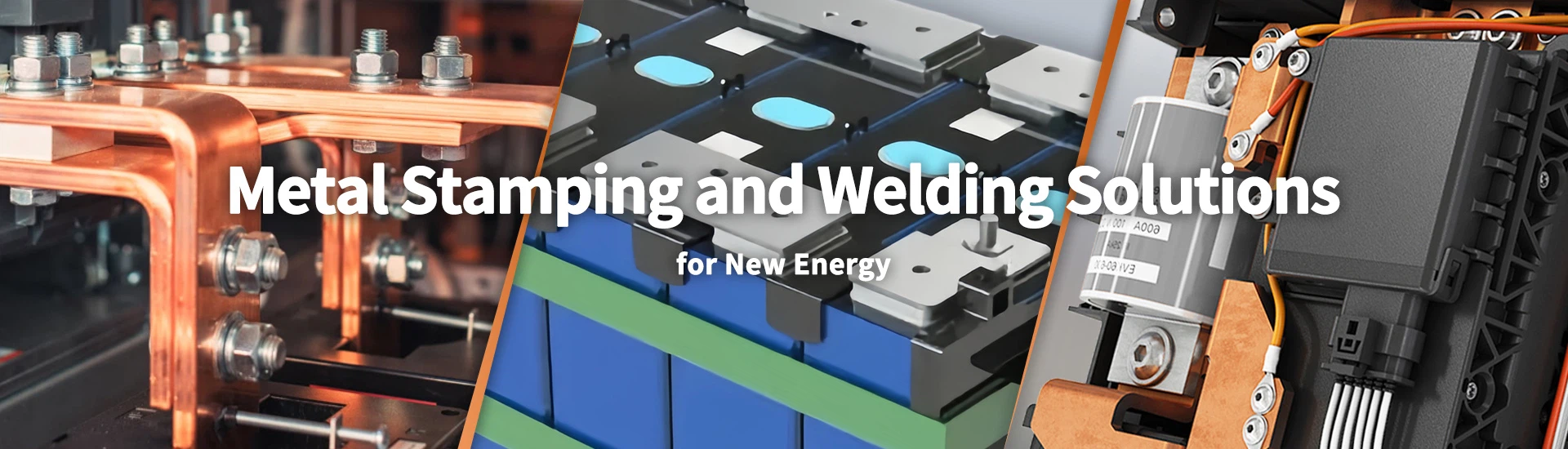
Since 2010, our specialization has centered on providing tailored solutions in the realms of stamping and welding. Our expertise extends to various applications, encompassing electric vehicle busbars, laminated busbars, contacts, and caps for electric vehicles and photovoltaic systems. Additionally, we excel in crafting aluminum shells for power batteries, as well as steel and aluminum cans designed for power capacitors.

Hot Tags: current-limiting fuse cap, China, manufacturers, suppliers, factory, Brass Terminal Assembly, Copper Pipe End Cap And Fuze Terminal, Fuse Contact Knife Cap For Electric Vehicle, Fuse Copper Cap, Fuse Link Contact And End Cap For Auto Car, Outer Cap And Contact For Automotive Fuse