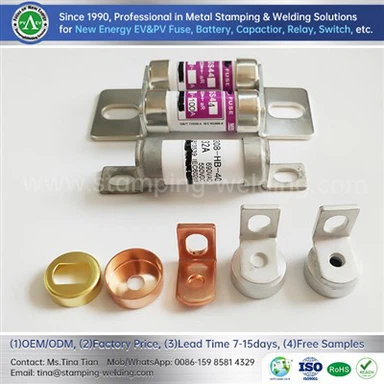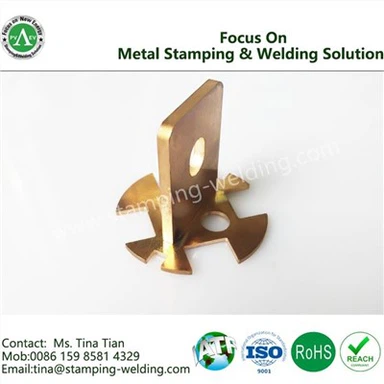
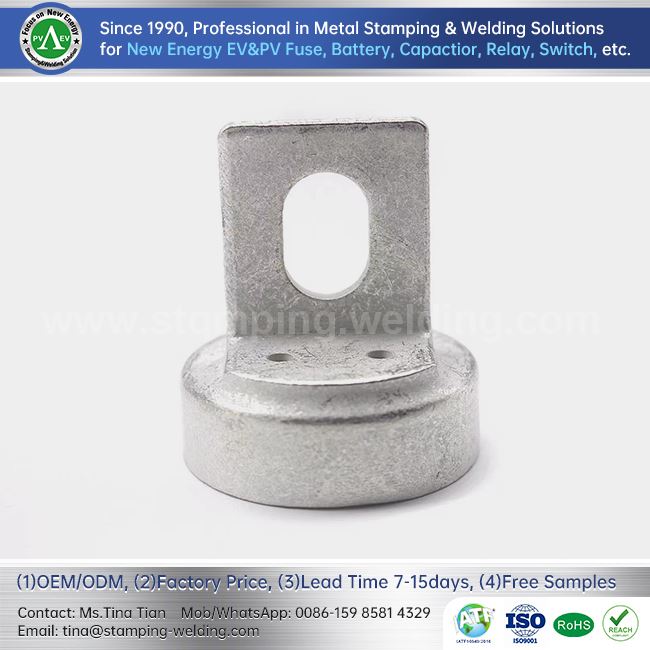


Photovoltaic Fuse Caps
Photovoltaic Fuse Caps are an integral part of photovoltaic systems, ranging from residential solar panels to large-scale solar power plants and various solar-related applications. PV Fuse Caps contribute to the efficient and secure harnessing of solar energy, making them essential components in the rapidly growing field of renewable energy.
- Fast Delievery
- Quality Assurance
- 24/7 Customer Service
Product Introduction
Products Description
Photovoltaic Fuse Caps, are specialized components used in photovoltaic systems to ensure the safety and reliable operation of solar energy installations. These caps play a crucial role in protecting electrical circuits and components from overcurrent and short-circuit conditions that can occur in solar power systems. PV Fuse Caps are designed to interrupt or disconnect the electrical circuit when a fault is detected, preventing damage and hazards. They

production Process
- Material Selection: Firstly, suitable materials are chosen, typically high-quality materials that can withstand high temperatures and UV radiation to ensure long-term outdoor use in photovoltaic systems.
- Material Preparation: The selected materials are prepared by cutting, processing, and shaping them to meet the design requirements of the Fuse Cap.
- Molding: The molding process for creating Fuse Caps typically involves techniques such as hot pressing or injection molding to shape the material into the desired form and dimensions.
- Cooling and Curing: After molding, the Fuse Caps are cooled and cured to ensure they maintain their desired structure and hardness.
- Surface Treatment: Depending on requirements, Fuse Caps may undergo surface treatments such as painting, plating, or anodizing to enhance their weather resistance and appearance.
- Quality Control: Rigorous quality control checks are conducted to ensure that each Fuse Cap meets specifications and performance requirements.
- Packaging: The manufactured Fuse Caps are packaged for transportation and storage, ensuring that the products remain intact and undamaged when delivered to customers.
Surface treatment
Surface treatment, also known as surface finishing or surface coating, is a crucial step in manufacturing processes to enhance the performance, appearance, and durability of a wide range of products. It involves the application of various coatings, treatments, or modifications to the outer layer of a material or product.
- Painting and Coating: This involves applying paint, enamel, or a protective coating to the surface of an object. It provides protection against corrosion, improves aesthetics, and can add specific properties like heat resistance or conductivity.
- Plating: Plating involves electroplating a thin layer of a metal onto the surface of an object. This can enhance corrosion resistance, improve appearance, and provide better conductivity. Common plating materials include gold, silver, chrome, and nickel.
- Anodizing: Anodizing is an electrochemical process that creates a protective oxide layer on the surface of metals like aluminum. It improves corrosion resistance, adds color, and can provide electrical insulation.
- Powder Coating: Powder coating involves applying a dry powder to a surface and then heating it to create a smooth, durable, and protective layer. It's commonly used for metal products, appliances, and automotive parts.
- Chemical Treatments: Chemical treatments like passivation and phosphating are used to remove impurities, scale, or contaminants from metal surfaces. This can improve corrosion resistance and prepare surfaces for painting or plating.
- Laser Ablation: Laser ablation removes material from a surface using a laser beam. It's used for engraving, cleaning, and texturing surfaces, especially in industries like electronics and medical devices.
- Passivation: This is a chemical process used primarily on stainless steel to remove surface contaminants and improve corrosion resistance.
- Conversion Coatings: These coatings chemically convert the surface layer of metals into a protective film. Common examples include black oxide and chromate conversion coatings.
- Etching: Etching is a process that removes layers from a material to create specific patterns, textures, or designs on the surface. It's used in the production of printed circuit boards, decorative items, and more.
Surface treatment is a critical aspect of manufacturing across various industries, ensuring that products meet specific performance, aesthetic, and functional requirements while extending their lifespan and enhancing their overall quality
production workshop

our Partners
We cooperate with many large enterprises, including some world-renowned automobile manufacturers, such as Mercedes-Benz, Tesla, Audi, Honda, etc. The selection of these partners fully reflects our reputation and professional knowledge in the industry.

contact us
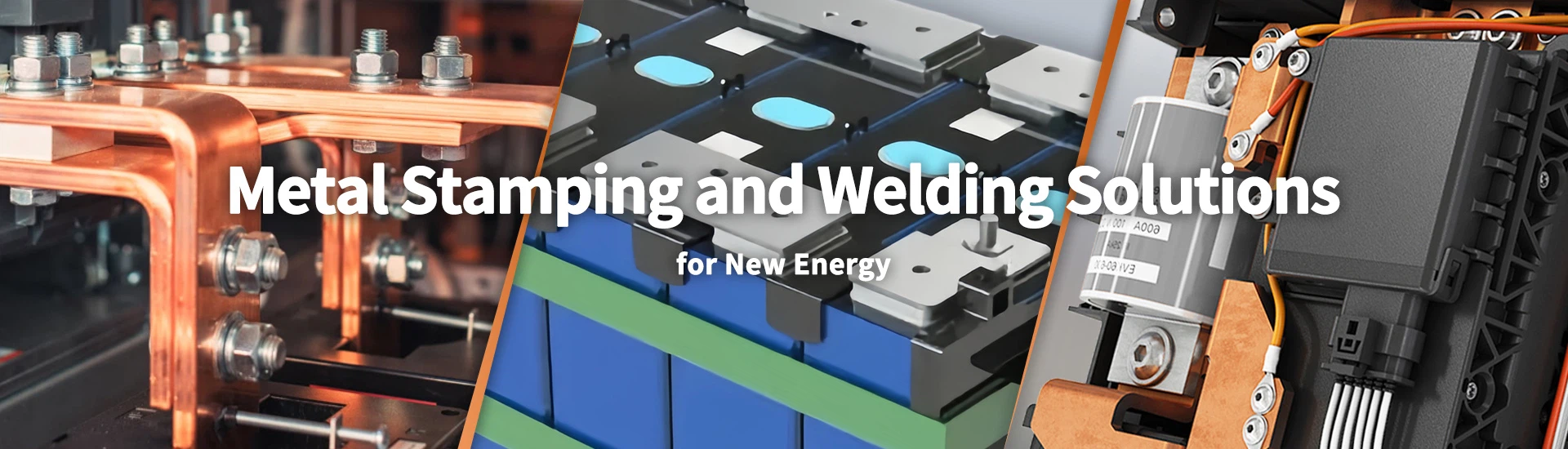
Starting from 2010, our expertise has been focused on delivering specialized solutions in stamping and welding for a range of applications, including electric vehicle busbars and laminated busbars, contacts and caps for electric vehicles and photovoltaic systems, aluminum shells for power batteries, as well as steel and aluminum cans for power capacitors.

Hot Tags: photovoltaic fuse caps, China, manufacturers, suppliers, factory, Contact Fuse Links Assembly, End Cap And Contact Fuze Welding Components, Fuse Copper Cap, Fuse Link Contact And End Cap For Auto Car, Inner Cap, Outer Cap And Automotive Fuse Terminals