Aluminum Laminate Pouch for Li-ion Batteries selection guide, suitable for efficient applications in multiple scenarios
Apr 12, 2026
In engineering selection for power batteries, energy storage systems, and other fields, the choice of packaging shell directly determines the safety, energy density, and lifespan of the battery system. As the mainstream packaging form for power batteries in China, the Aluminum Laminate Pouch for Li-ion Batteries has become the first choice for many scenarios due to its structural and performance advantages. The following provides professional selection reference for the industry by combining its core characteristics, application scenarios, and selection points.
Selection prerequisite: Clearly define the core attributes of the product
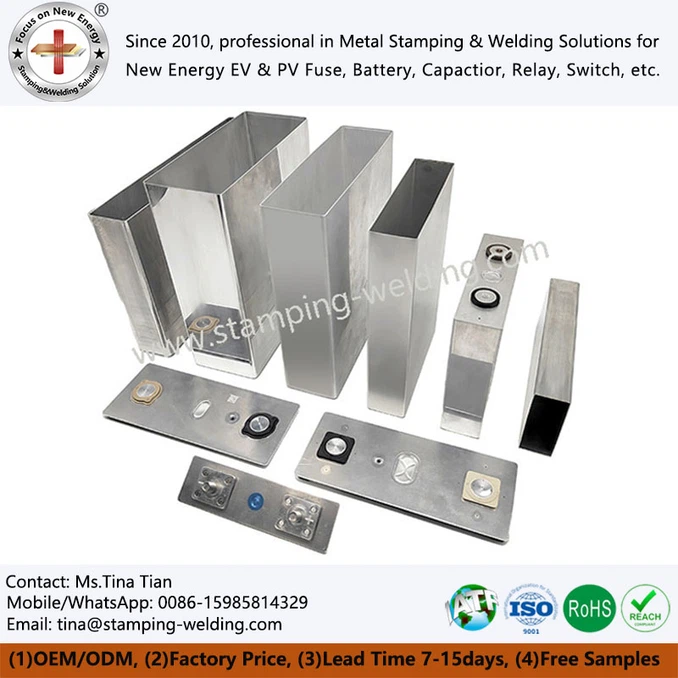
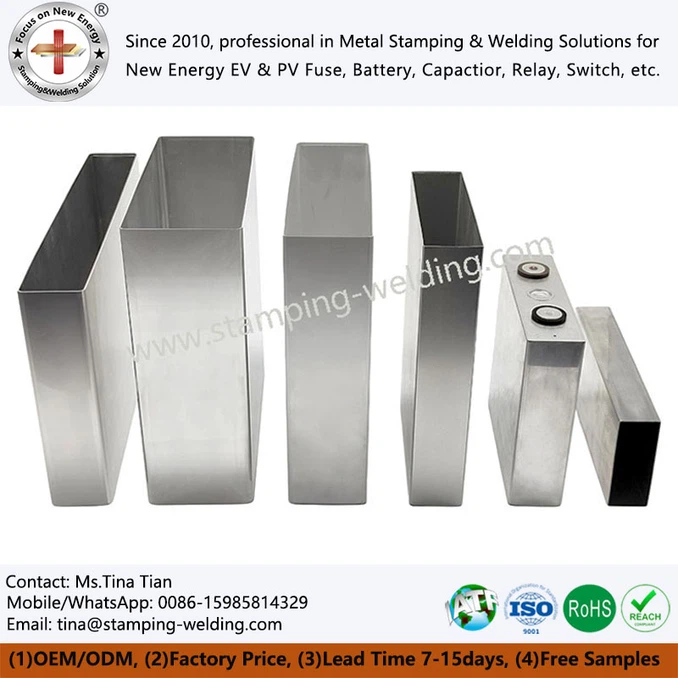
Before selecting a product, it is essential to clarify its core definition and basic attributes to lay the foundation for subsequent selection. Lithium-ion batteries with square aluminum casings, also known as aluminum-cased cells or aluminum-cased lithium batteries, are square packaging containers made with aluminum alloy as the base material. The core keywords can be found in the section on "Aluminum Li-ion cells." Essentially, they balance protection performance with lightweight requirements through the properties of aluminum alloy, differentiating them from cylindrical and pouch batteries. They are suitable for mid-to-high-end energy density applications and are currently the mainstream packaging carrier for LiFePo4 Prismatic Battery Aluminum Cells.
Core Selection: Material and Structure Adaptation to the Scenarios
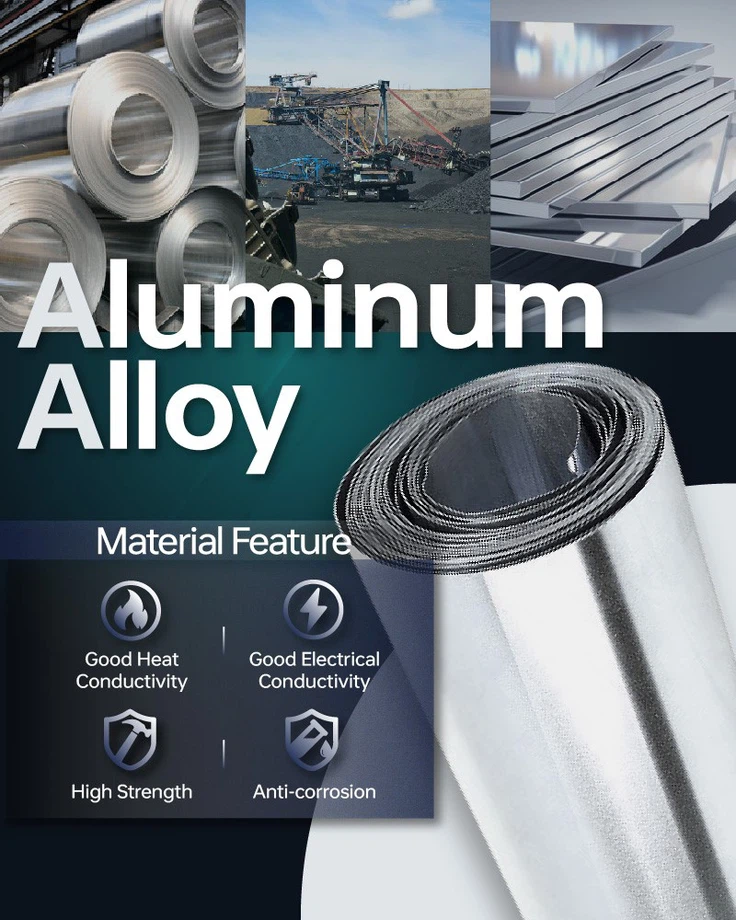
Material and structural selection are core prerequisites, requiring a suitable solution tailored to the specific needs of the application scenario. The core of the square aluminum casing utilizes an aluminum alloy shell, and its material characteristics are crucial during selection: compared to steel shells, aluminum alloy significantly reduces casing weight, contributing to a lighter battery system and aligning with weight-sensitive applications such as new energy vehicles; compared to aluminum-plastic film pouch cells, it offers higher mechanical strength and superior protection, effectively resisting external impacts and compression to prevent damage to internal cells, making it suitable for complex applications such as industrial energy storage and power tools. Furthermore, for certain scenarios, aluminum deep drawing stamping battery cases are worth considering, as their molding process is more precise and adaptable to customized size requirements.
Avoiding pitfalls in product selection: ensuring a precise match between features and needs
The core characteristics of the product must precisely match the selection requirements to avoid selection pitfalls. High energy density and lightweight are the core advantages of square aluminum casings. When selecting, you can combine the energy density requirements of the scenario and compare different specifications of products. It does not require complex accessory structures and can maximize the energy density of the battery system. In terms of safety, you should give priority to products equipped with safety explosion-proof valves, which can effectively deal with the problem of increased internal pressure during battery charging and discharging and reduce safety hazards. Customization features can meet the size requirements of different devices. When selecting, you can specify the installation space of the device and match the corresponding model of the product to avoid installation problems caused by size incompatibility.
Key to selection: Differentiate between aluminum shells, soft-pack shells, and steel shells
During the selection process, it is crucial to distinguish between aluminum-cased, pouch, and steel-cased batteries to avoid selection errors. Square aluminum-cased batteries offer higher volumetric efficiency than cylindrical batteries and superior mechanical strength compared to aluminum-plastic film pouch batteries, but their corrosion resistance is weaker than steel-cased batteries. If the environment is humid or corrosive, additional anti-corrosion treatment is necessary. It should also be noted that aluminum is relatively soft, and gas generated during battery charging and discharging can cause thickness expansion. Therefore, the selection should consider the charging and discharging frequency of the application and match the appropriate casing thickness and structural design to ensure long-term stability.
Selection Summary
Industry selection summaries show that the core principle for choosing Aluminum Laminate Pouch for Li-ion Batteries is "material suitability for the application scenario and characteristic matching to requirements." Whether in new energy vehicles, energy storage systems, or consumer electronics, products can be precisely matched based on core requirements such as lightweighting, protection, and customization, combined with the characteristics of related product categories such as aluminum shells for lithium ferro phosphate cells. Appropriate selection not only improves the operational stability of the battery system but also extends the equipment's lifespan, providing reliable protection for battery applications in various fields.
Contact Us
Considering the material selection, scenario adaptation, and customization needs of the Aluminum Laminate Pouch for Li-ion Batteries, please feel free to contact us if you require a customized selection solution or related technical support.