Instructions for use of Lithium-ion Battery Cover Plates: Strengthening the defenses for battery safety and performance
Apr 12, 2026
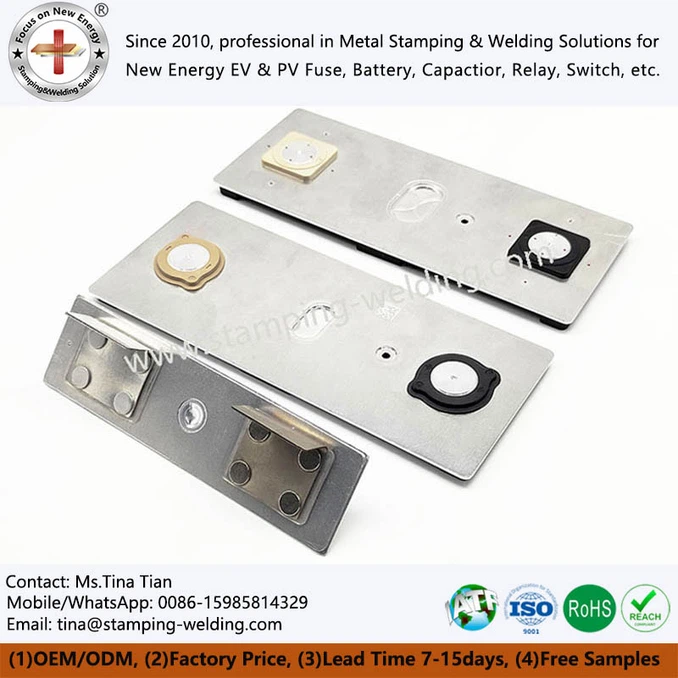
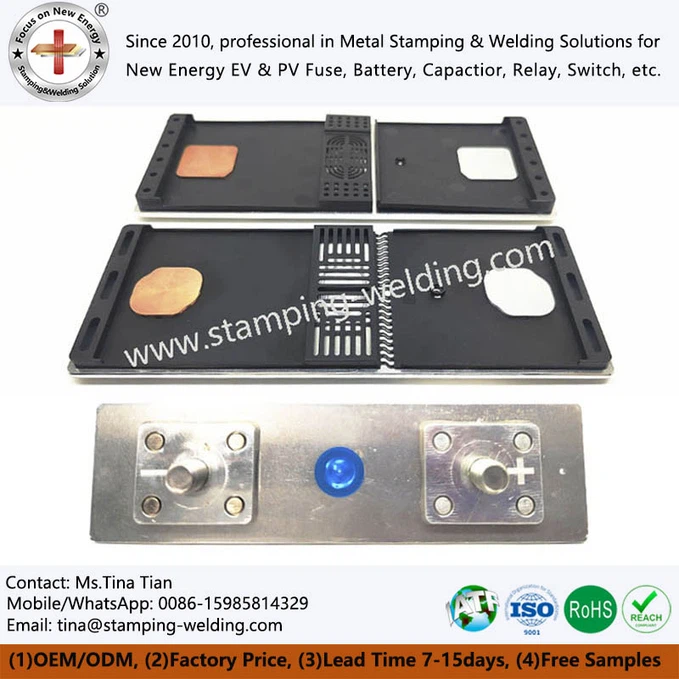
Lithium-ion Battery Cover Plates, as core structural components of batteries, are precision top covers that seal the top of the battery's metal casing. They are not merely protective parts, but rather multifunctional hubs connecting the battery's internal electrochemical system with external circuitry. Their correct use directly affects the battery's safety, stability, and lifespan. The following professional usage guidelines, combining the product's core functions, structural components, and usage precautions, provide the industry with assistance in standardized operation and mitigating usage risks.
Core Functions
Mastering the core functions is fundamental to the correct use of lithium-ion battery covers. The four core functions need to be precisely controlled in conjunction with the usage scenario. Specific usage requirements are as follows:
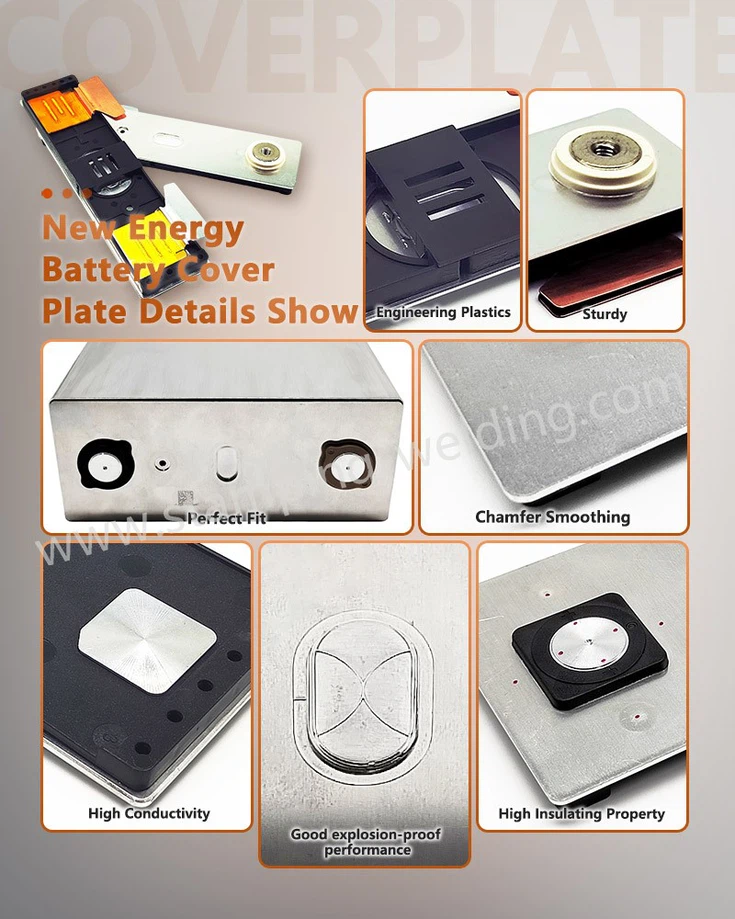
- Sealing Protection, Ensuring a Perfect Fit: As a fundamental function of the cover plate, it is essential to ensure a tight seal between the cover plate and the battery casing during use. This prevents electrolyte leakage and blocks external moisture and impurities from entering, avoiding damage to the internal cells. This is a core requirement for Aluminum Cover Plates for Batteries.
- Safe Pressure Relief, Protecting the Explosion-Proof Valve: The safe pressure relief function relies on the explosion-proof valve (pressure relief port) integrated into the cover plate. Care must be taken to avoid obstructing or damaging the explosion-proof valve. This ensures that the valve can open promptly to release pressure when excessive pressure arises inside the battery due to overcharging, overheating, or other abnormal conditions, preventing battery explosion.
- Current Conduction, Ensuring Secure Terminal Connections: The current conduction function requires the cover plate to serve as the mounting base for the positive and negative terminals. During installation, it is crucial to ensure a secure connection between the terminals to prevent poor contact from affecting current input and output, ensuring normal energy transfer from the battery.
- Safety Protection, Checking the Integrity of the Mechanism: Some high-end power battery covers integrate safety protection mechanisms such as flip-over tabs. Before use, their integrity must be checked to ensure they can properly disconnect the circuit in case of abnormal pressure, providing a physical safety function and further enhancing battery safety.
core components
Understanding the main components allows for better daily inspection and maintenance, ensuring the proper functioning of the cover. A sophisticated lithium-ion battery cover typically consists of more than 10 parts, and the following precautions should be taken regarding the use of core components: The cover body is mostly made of aluminum or composite materials, providing structural support. During use, collisions and pressure should be avoided to prevent deformation that could affect sealing performance. The positive/negative terminals, as conductive terminals, are responsible for energy transmission. Proper insulation is required during installation to prevent short circuits between the terminals and the cover body. The explosion-proof valve/explosion-proof disc is crucial for safety; its pressure threshold is typically 0.4~0.8MPa. Human-caused damage should be avoided, and its integrity should be checked regularly. The electrolyte injection hole is used to inject electrolyte into the battery. After injection, it is sealed by laser welding. During use, ensure the weld is free of damage and leakage. The insulating components/sealing rings ensure electrical insulation and airtightness between the terminals and the cover body. Before use, check their integrity to prevent sealing failure due to aging or damage to the sealing rings.
Key distinction
During use, it is essential to clearly distinguish between the cover plate and the "protection board" to avoid confusion and potential impact on battery operation. The cover plate is a structural component, a visible physical top cover, whose core function is physical sealing and pressure relief. Daily use should focus on its sealing performance and the integrity of its safety relief components. The protection board (BMS/PCM) is an electronic component, a circuit board, whose core function is to monitor voltage, current, and temperature through chips to provide electronic protection against overcharging and over-discharging. The two components are independent and irreplaceable; they must be inspected and maintained separately to ensure they function effectively.
Usage Summary
Industry experience shows that the core principles of proper use of Lithium-ion Battery Cover Plates are "protecting core components, ensuring sealing performance, and clearly defining functional boundaries." Whether for power batteries or ordinary consumer batteries, these guidelines must be followed, with particular attention paid to the integrity and effectiveness of critical components such as explosion-proof valves and sealing rings. Proper use not only extends the cover's lifespan but also strengthens battery safety, providing reliable assurance for the stable operation of the battery system. This is also the core principle for the use of products such as Prismatic Lithium Battery Lids and LFP Safety Cover Sets.
Contact Us
This article covers the key points regarding the function, maintenance, and proper operation of Lithium-ion Battery Cover Plates. For personalized usage guidance or related technical support, please feel free to contact us.