Future Trends in the Lithium batteries Industry: From Fundamental Principles to Technological Evolution
Apr 12, 2026
As the core carrier of modern electrochemical energy storage, Lithium batteries have become the preferred power solution for consumer electronics, electric vehicles, and large-scale energy storage systems due to their advantages such as high energy density, long cycle life, and no memory effect. With the acceleration of the global energy transition, this technology is developing towards greater safety, lower cost, and greater sustainability. This article starts from the fundamental principles and envisions its future evolution path.
Technical Foundation Review
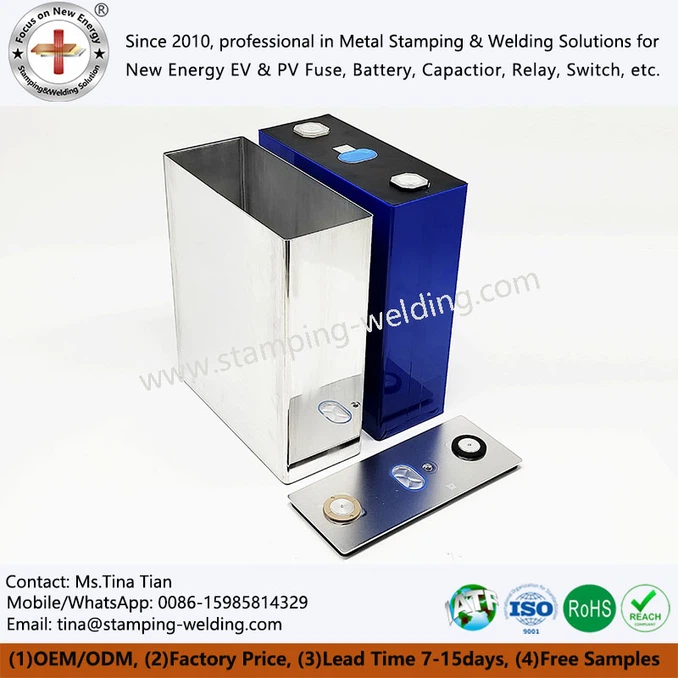
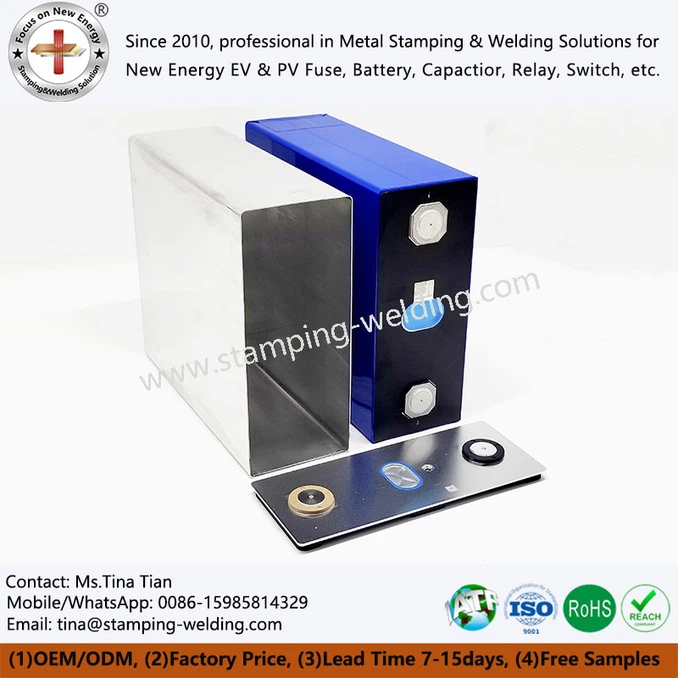
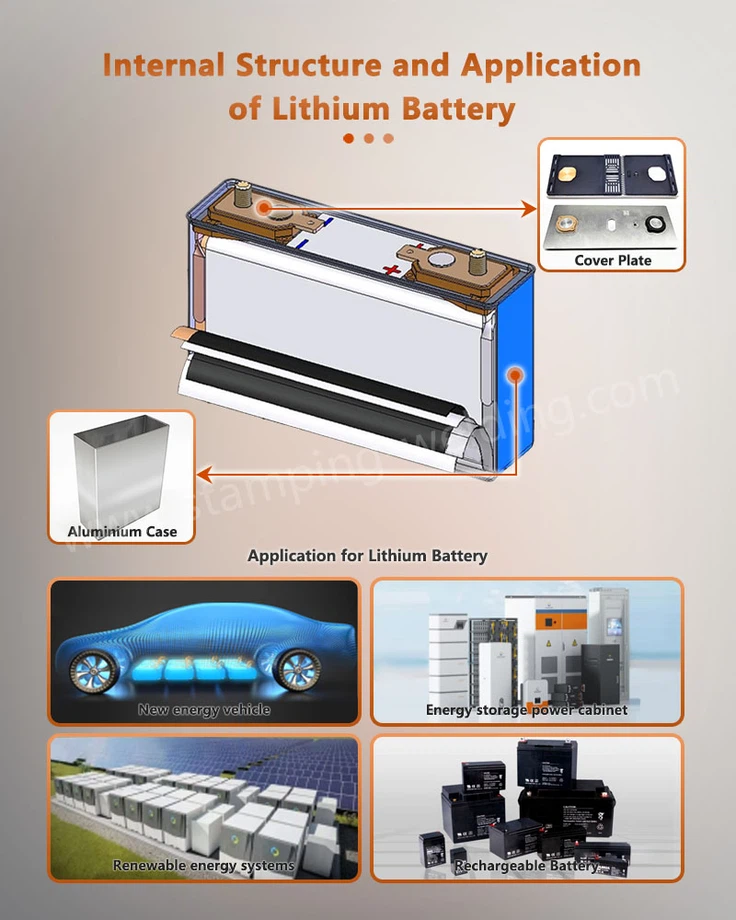
Lithium-ion batteries use lithium-containing compounds as the positive electrode and carbon materials as the negative electrode. They rely on the insertion and extraction of lithium ions between the positive and negative electrodes to achieve charging and discharging, and are figuratively called "rocking chair batteries." Their core components include a positive electrode (such as lithium cobalt oxide, ternary materials, or lithium iron phosphate), a negative electrode (graphite or graphite-like carbon), an organic electrolyte (a carbonate solvent containing lithium hexafluorophosphate), and a polymer separator. Currently, LiFePO4 Lithium Ion batteries are seeing increasing penetration in energy storage and commercial vehicle applications due to their excellent thermal stability and lack of precious metals.
One of the future trends: High energy density and new material systems
The industry is accelerating its exploration from traditional ternary and lithium iron phosphate systems towards higher energy density. Research and development of silicon-based anodes, lithium metal anodes, and solid-state electrolytes have become hot topics. Solid-state lithium-ion batteries are expected to fundamentally solve the safety concerns of flammable organic electrolytes, while simultaneously increasing the energy density of single cells to over 400Wh/kg. Furthermore, cobalt-free cathodes and sodium-ion hybrid solutions have entered the small-batch verification stage, aiming to reduce dependence on scarce resources.
Future Trend Two: Full Lifecycle Security and Intelligence
With the surge in lithium-ion battery installations in electric vehicles and energy storage power stations, thermal runaway early warning and intelligent management have become critical issues. Future products will integrate more sensors and self-healing functions, such as coating the separator with temperature-controlled blocking materials or adding overcharge protection additives to the electrolyte. Meanwhile, the design of Battery for Lithium-Ion Energy Storage System will place greater emphasis on module-level fire protection and remote monitoring, achieving multi-layered protection from the cell to the system.
The third future trend: Green manufacturing and recycling closed loop
The large-scale retirement of lithium-ion batteries has spurred upgrades in recycling technologies. Direct recycling methods (repairing positive and negative electrode materials) and biometallurgical methods are gradually replacing traditional pyrometallurgical and hydrometallurgical processes, increasing the recovery rates of lithium, nickel, and cobalt to over 95%. Simultaneously, the industry is transitioning to dry electrode processes and low-cobalt positive electrodes to reduce carbon emissions in the manufacturing process. New EU battery regulations require the disclosure of carbon footprints, forcing the global supply chain to accelerate its shift towards a circular economy model.
Application scenarios expanded: from power to all-scenario energy storage
Beyond new energy vehicles, Lithium batteries are rapidly penetrating residential energy storage, industrial and commercial frequency regulation, and grid-side peak shaving. LiFePO4 battery cells, with their over 4000 cycle life, have become the mainstay of stationary energy storage. In solar energy products, lithium-ion batteries for solar systems are gradually replacing lead-acid batteries, achieving more efficient diurnal energy transfer. It is projected that by 2030, global shipments of lithium-ion batteries for energy storage will exceed one-third of those for power batteries.
Summary and Outlook
Lithium-ion battery technology has been commercialized for thirty years, and the next decade will be a critical window for material innovation, manufacturing upgrades, and the maturation of recycling systems. From liquid to semi-solid to all-solid, and from single-power applications to multi-scenario collaboration involving vehicles, storage, and charging, lithium-ion batteries will continue to serve as the cornerstone technology of the energy internet. Companies need to find differentiated positioning among safety, cost, and performance, while policymakers should accelerate the improvement of battery passports, recycling responsibilities, and carbon accounting standards to drive the entire industry towards a high-quality, sustainable development stage.
Contact Us
For detailed specifications or custom selection support of the above-mentioned Lithium batteries, please feel free to contact us.