Analysis of the main types of PLC control cabinet to adapt to the diverse needs of industrial automation
Apr 11, 2026
In today's rapidly advancing industrial automation, PLC (Programmable Logic Controller) control cabinets, as core control equipment, directly impact the effectiveness of enterprise intelligent transformation through their classification and scenario adaptability. A PLC control cabinet is a complete unit integrating a PLC and related electrical components, organically combining power and control systems to achieve automated control of industrial production. Based on different standards such as structural form and application, PLC cabinets have evolved into various types. Each type of product, with its unique characteristics, is adapted to different application scenarios. Among them, Industrial PLC cabinets and Automation control cabinets have become the mainstream choices in industrial settings. Understanding their differences is crucial for enterprises to make accurate selections and improve production efficiency.
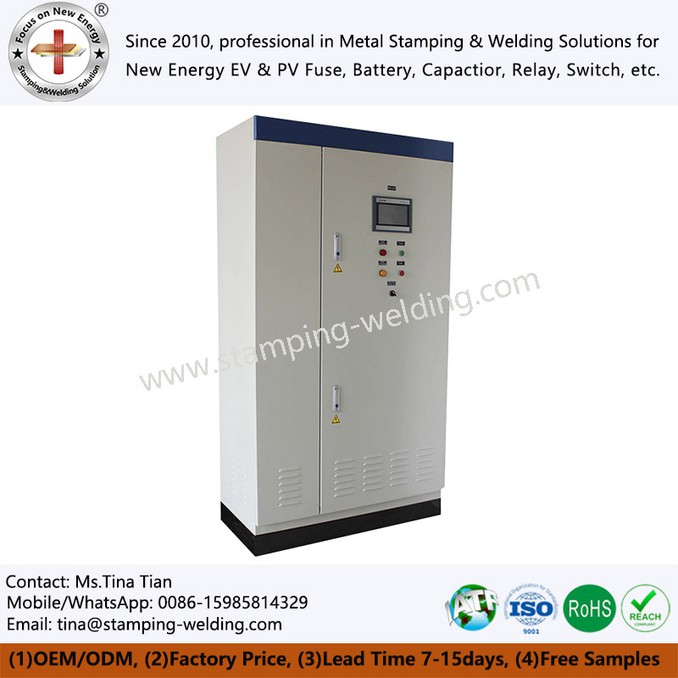
Structural Classification and Core Characteristics
- Fixed Structure: Basic and Convenient
As the most basic structural type, fixed control cabinets fix all electrical components to an insulated panel. They are simple in structure and easy to manufacture, but require a complete system shutdown for maintenance, limiting adaptability. They are suitable for basic scenarios where flexibility requirements are not high.
- Drawer-Type Structure: Highly Efficient and Practical
Drawer-type structures offer the advantage of flexible insertion and removal. Maintenance and replacement of components do not require shutting down the entire system, significantly improving work efficiency. Some products are compatible with the G8 Switchgear PLC Automatic Control Cabinet Panels standard, making it the most widely used type currently.
- Modular Structure: Flexible and Customizable
Modular PLC cabinets are composed of various functional modules, offering high flexibility. They can be customized to meet the automation needs of enterprises and adapt to control scenarios of varying complexity. The only drawback is the relatively high customization cost.
- Rack-mounted structure: Centralized control type
Rack-mounted structures are compact and space-saving, suitable for large workshops with multiple devices centrally located. They enable unified control of multiple devices, meeting the needs of centralized management. However, the difficulty of later maintenance and upgrades is relatively high.
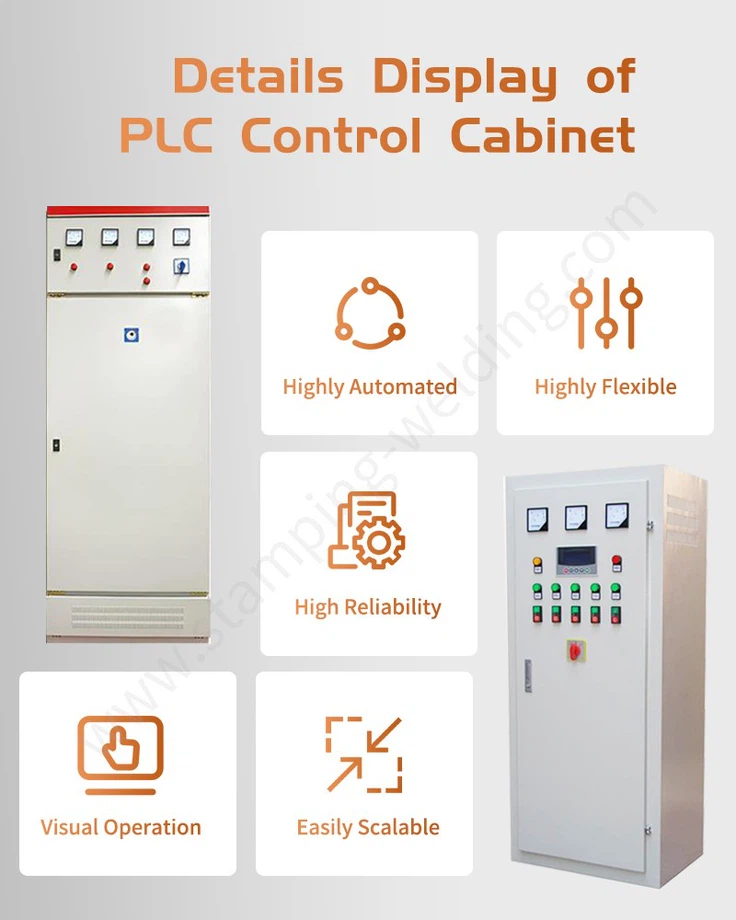
Application Classification and Scenarios
- General-Purpose Cabinets
General-purpose PLC cabinets focus on basic control functions. Their core components conform to PLC cabinet components standards, offering advantages such as high cost-effectiveness and strong stability. They require no complex customization and can be widely used in various industrial settings to meet basic automation control needs.
- Special-Purpose Cabinets
Special-purpose control cabinets are designed for specific industries and operating conditions, adapting to various special requirements: PLC System Cabinet for Sewage is suitable for wastewater treatment scenarios; Explosion-proof PLC cabinet is suitable for flammable and explosive environments; and Waterproof PLC cabinet is suitable for humid conditions, precisely matching the exclusive control needs of different industries.
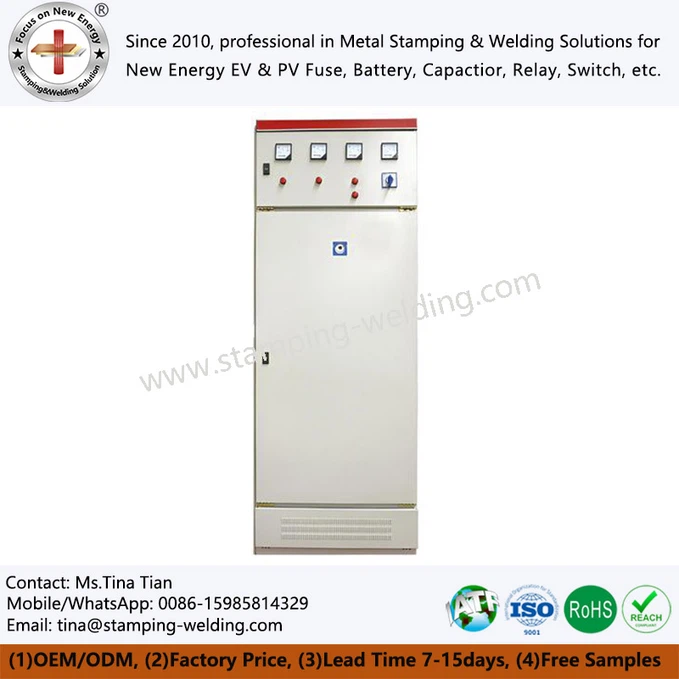
Recommendations for New Product Iteration and Selection
With the upgrading of industrial automation technology, new PLC control cabinets are constantly being developed. Stainless steel PLC cabinets and powder-coated PLC cabinets, with their advantages of corrosion resistance and wear resistance, are suitable for harsh industrial conditions; wall-mounted PLC cabinets and floor-standing PLC cabinets are suitable for different space conditions based on different installation methods; and custom PLC cabinets and dustproof PLC cabinets meet the personalized and refined needs of enterprises. Industry experts suggest that enterprises should combine their own production processes, space conditions, and safety requirements to rationally select the appropriate type to fully utilize the control efficiency of the cabinet.
Contact Us
In practical engineering applications, the selection of the structure, material, and protection level of the PLC control cabinet needs to be customized according to the specific working conditions, which directly affects the stable operation of the control system. You are welcome to contact us to discuss your needs and obtain suitable solutions.