Analysis of the Working Principle, Performance Characteristics, and Engineering Applications of Busbar Heat-Shrink Insulation Technology
Jul 03, 2026
Busbar heat-shrink insulation technology is an electrical insulation and protection solution based on polymer memory materials. Through irradiation or chemical cross-linking, polymer molecules form a stable network structure, imparting an elastic "heat-shrink" memory effect. In engineering connections and insulation-such as customized copper busbar connections with heat-shrink tubing-this technology provides stable encapsulation and protection at complex electrical connection points.

Similarly, in basic conductor insulation systems (e.g., copper busbars with orange heat-shrink tubing), heat shrinking ensures uniform coverage of the busbar surface, thereby enhancing overall safety.
Regarding material mechanisms, heat-shrink tubing is typically manufactured from polyolefins or modified polymers; these materials exhibit a glassy structure at room temperature but transition to a highly elastic state upon heating, reverting to their pre-set dimensions.
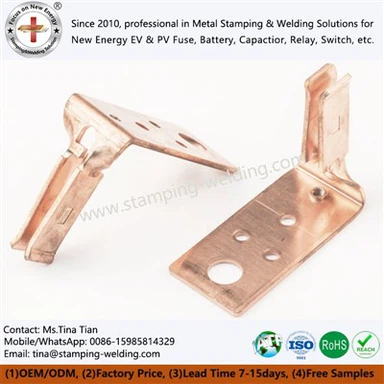
Typical applications, such as heat-shrink insulated copper busbars, leverage this shape-memory property to achieve a tight fit around the copper bars. Structurally, heat-shrink sleeve-insulated copper busbars can utilize multi-layer composite designs to enhance voltage withstand and aging resistance, while flat copper battery busbars with heat-shrink tubing are frequently employed for high-conductivity connections and insulation isolation in new energy battery modules.

In terms of electrical performance, heat-shrink busbar systems prioritize low dielectric loss, high flame retardancy, and excellent environmental resilience. For instance, copper flat/square busbars with PVC heat-shrink tubing maintain stable insulation performance in high-humidity or corrosive environments, while heat-shrink insulated copper busbars effectively mitigate creepage risks through their shrinking outer structure. Furthermore, heat-shrink insulated copper busbar connections optimize contact stability and reduce localized temperature rise in high-current transmission scenarios.
At the practical application level, this technology is widely used in power distribution systems, energy storage equipment, and industrial electrical control sectors. Pure solid copper busbars with heat-shrink tubing are commonly used in high-current systems to ensure low resistance and high reliability; versions with tin-plated copper and heat-shrink tubing are suitable for environments requiring superior oxidation resistance.
Meanwhile, copper busbar connectors with insulated heat-shrink tubing provide added safety protection at connection points, enhancing overall system stability.
Heat-shrink insulation structures offer significant advantages regarding safety and system reliability. Heat-shrink insulated copper busbars effectively prevent short circuits caused by foreign object contact while improving resistance to contamination; copper busbars with PVC heat-shrink insulation sleeves demonstrate excellent resistance to acids and alkalis in chemically corrosive environments; furthermore, insulated heat-shrink copper busbar connectors significantly reduce the risk of electric shock during maintenance, thereby elevating operational safety standards.
Overall, heat-shrink busbar technology not only improves the insulation performance of conductive systems but also enhances the durability and environmental adaptability of the entire structure.

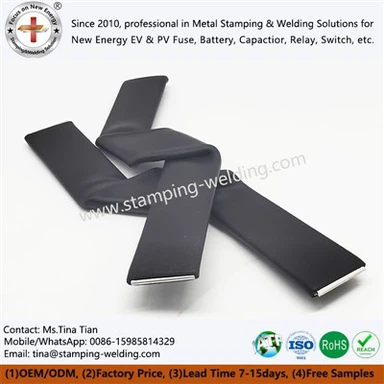
Depending on the application, heat-shrink insulated copper foil busbars are suitable for scenarios requiring high flexibility, whereas busbars with black heat-shrink tubing are commonly found in standardized power distribution equipment; the latter facilitate clear phase identification and a uniform insulated appearance, thereby boosting the engineering reliability and safety level of the entire electrical system.
contact us