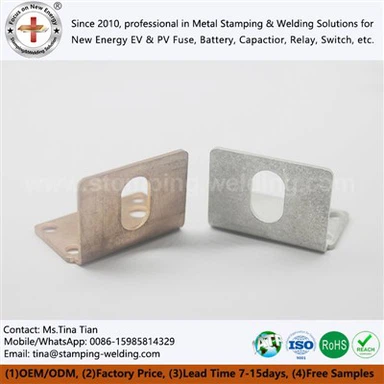
Customized Tin Plating Copper Laminated Busbar — Industry Insight
Dec 05, 2025
With the increasing demand in electrical systems for high efficiency, reliability, compact structure, and long-term durability, Customized Tin Plating Copper Laminated Busbar has become a key solution in industrial power distribution, renewable energy, transportation, and many other fields. Below is an in-depth overview from technical principle, manufacturing process, performance advantages to typical applications - aiming to help readers systematically understand this product.
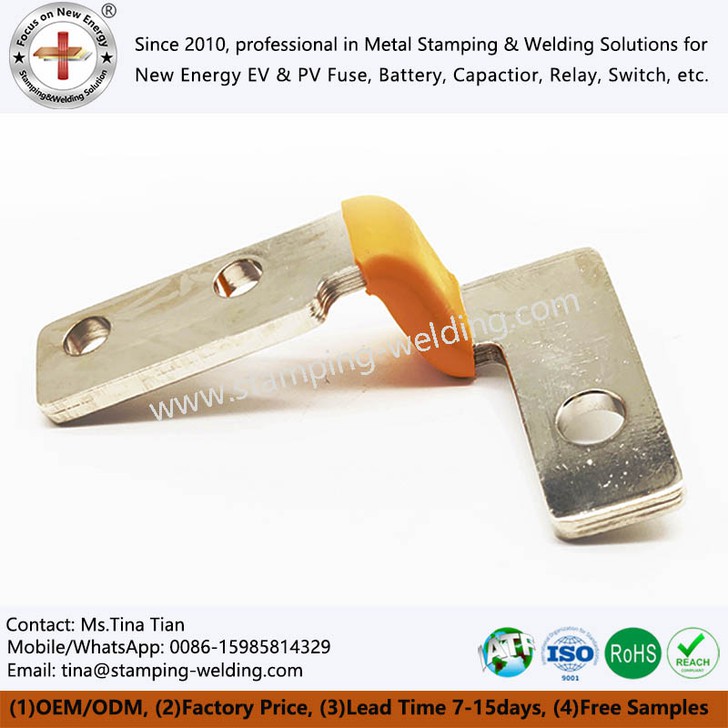
Manufacturing Process
Material Selection & Initial Forming
- Typically, high-purity electrolytic copper (e.g. T2 / C11000) is used as the base material to ensure Tin Plated Copper Bus Bar excellent conductivity and mechanical strength.
- Copper sheets or strips are cut, stamped, pressed or rolled into the base shape needed for the busbar - such as plates, strips, bars, etc.
Surface Preparation & Cleaning
- Before tin-plating, the Tinned Copper BusBar copper surface must be thoroughly cleaned to remove oxides, oil, dust, and other contaminants. Often chemical or electrochemical pretreatments are applied to activate the surface and ensure good adhesion of the tin plating.
Tin-Plating (Tin Coating)
- Tin plating is commonly performed via electroplating or hot-dip tinning. The resulting tin layer is usually in the range of a few micrometers to tens of micrometers (e.g. 3 µm–15 µm), providing a uniform, smooth and corrosion-resistant surface.
Post-Processing & Customization
- Based on customer requirements, additional Tinned Foil Connector for Electrical Battery processes such as CNC punching, laser cutting, bending, drilling / hole-making, bending into complex shapes, combining multiple pieces, etc., are carried out to suit the installation space and connection requirements. Insulation (e.g. PVC or PE coating) can be optionally applied if needed.
Quality Inspection & Testing
- Final Copper laminated foils connector undergo rigorous inspection and testing - including plating thickness and uniformity, adhesion strength, conductivity/resistance, current carry capacity, thermal stability, mechanical strength, solderability, corrosion resistance, etc. Good tin-plated laminated busbars should maintain stable contact resistance, resist oxidation/corrosion, and maintain performance
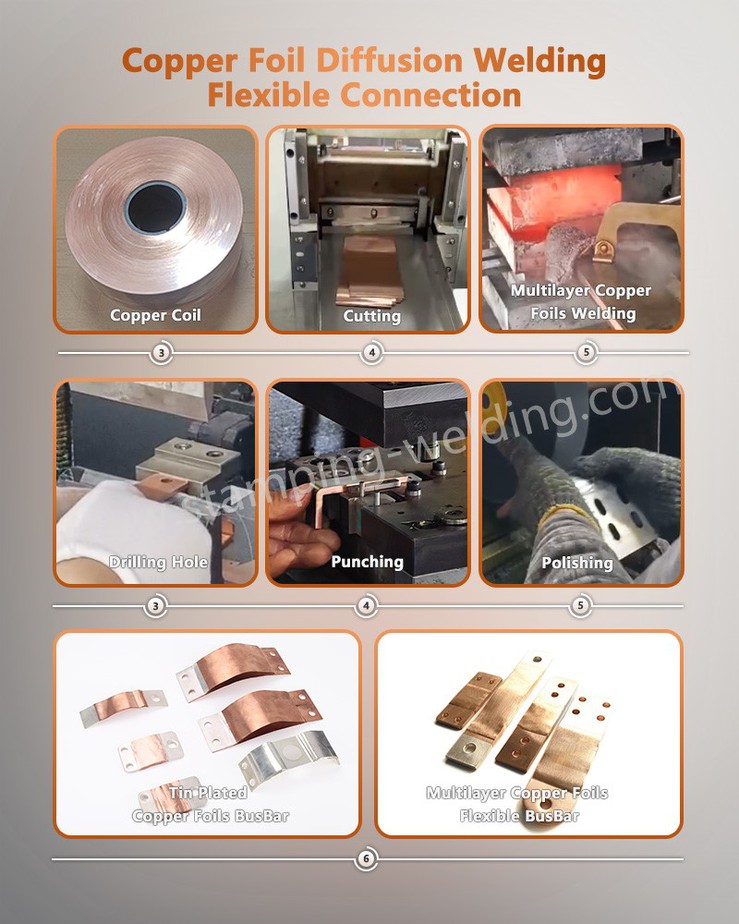
Advantages & Key Performance Benefits
Corrosion and Oxidation Resistance
The tin layer isolates copper from air, moisture, or chemical exposure, effectively preventing oxidation and corrosion. Flexible Laminated Copper Bus Bar significantly extends service life - especially under humid, corrosive, or chemically aggressive environments.
Low Contact Resistance & High Stability
With a smooth, uniform tin-plated surface, Copper Foil Bus Bar are stable and low-resistance, reducing the risk of local hotspots, energy loss or failure - especially important for high-current or high-density current applications.
Enhanced Solderability / Ease of Assembly
Compared to bare copper, Copper Foil Resistance Diffusion Soldering Flexible Connections are much easier to solder or weld, facilitating reliable assembly with terminals, connectors, and other components. This improves manufacturability and simplifies installation.
High Conductivity + Thermal / Electrical Performance
Because the substrate is high-quality copper, the Flexible Insulated Copper Busbar Soft Connections excellent conductivity and thermal conductivity - supporting high current loads and efficient heat dissipation. The tin plating adds protective properties without significantly compromising these characteristics.
Compact, Customizable, Space-efficient Design
Tin Plated Copper Bus Bar structure allows flat, compact design. With customization (shape, size, bends, holes, insulation), the busbar can fit tightly in limited-space installations - such as electrical distribution cabinets, power modules, battery packs, EV systems, etc. This helps optimize internal space and improve overall system integration.
Cost-Effective Compared to Precious Metal Plating
Compared with more expensive plating materials (e.g. silver, nickel), tin is inexpensive, widely available, and environmentally friendly - leading to good cost-performance ratio while ensuring stable supply.
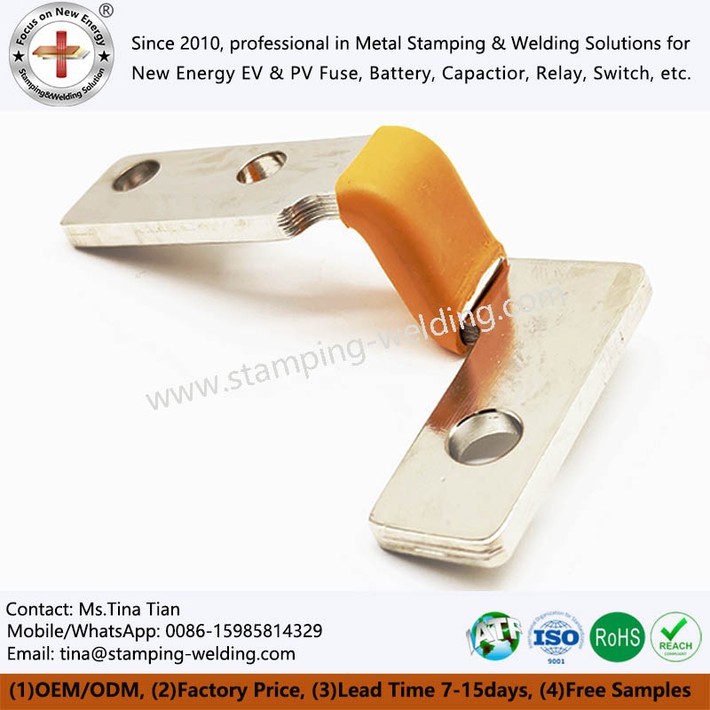
Typical Applications & Industry Trends
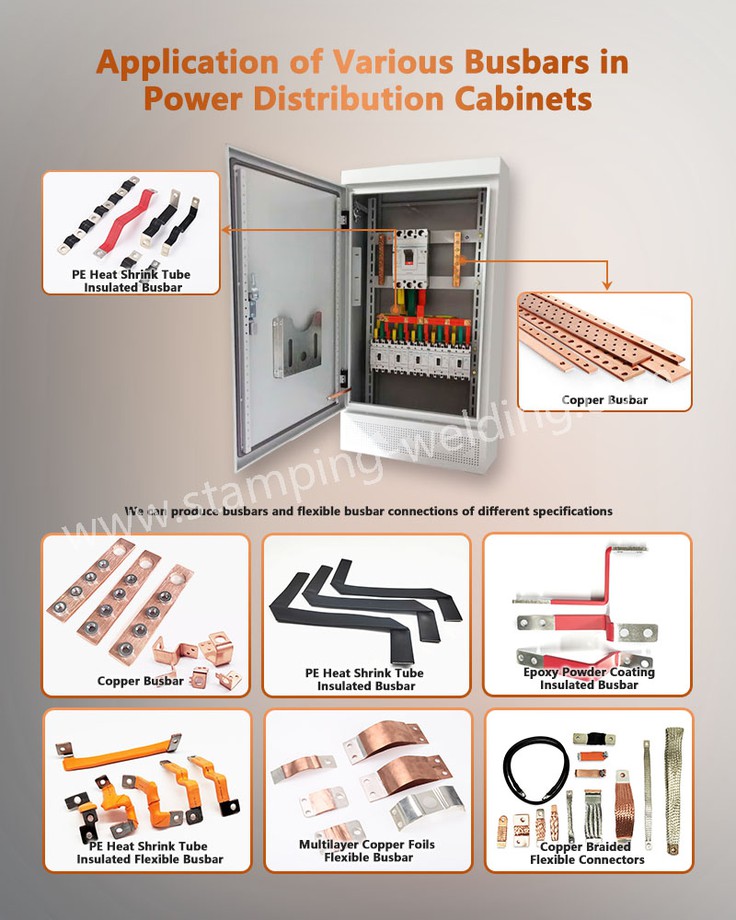
Industrial power distribution, switchgear, electrical cabinets
For Tinned Copper BusBar applications requiring high current, high reliability, compact layout, long-term stability, tin-plated laminated busbars offer ideal performance for power distribution and switching systems.
Renewable energy systems (solar inverters, energy storage cabinets, wind power systems)
In outdoor or damp environments, Tinned Foil Connector for Electrical Battery resist corrosion and maintain stable connections over long cycles - well-suited for renewable energy setups.
Electric vehicles (EV), hybrid vehicles, battery packs, UPS / energy storage systems
In battery modules or power-train systems where high current, tight space, vibration resistance and long-term reliability are required, Copper laminated foils connector provide high-performance, compact power distribution.
Data centers, communication rooms, server racks
For high-density power distribution and grounding in confined rack spaces, Flexible Laminated Copper Bus Bar provide stable, efficient and safe power distribution solutions.
Transportation, rail, shipboard, aerospace, infrastructure systems
In harsh or demanding environments - requiring high reliability, corrosion resistance, compact design, and high current capacity - tin-plated laminated busbars are increasingly preferred.
With global electrification, energy transition, renewable energy expansion, EV growth, energy storage proliferation, and demand for high-density power distribution systems, the market for Copper Foil Bus Bar is expected to grow steadily. The custom tin-plated laminated busbar - combining high conductivity, reliability, compactness and customization - is well positioned to meet future needs.
Conclusion
Customized Tin Plating Copper Laminated Busbar is not just a copper bar - it is a high-performance, high-reliability, high-integrity component for modern electrical power distribution systems, renewable energy, EV/ESS, data centers, transportation, and more. By combining high-conductivity copper, protective tin-plating, precise customization and optimized structure, it becomes a versatile solution capable of adapting to complex environments and demanding applications.
For any system requiring efficient, reliable, long-term stable power distribution, opting for a custom tin-plated copper laminated busbar is a rational and forward-looking choice.
contact us