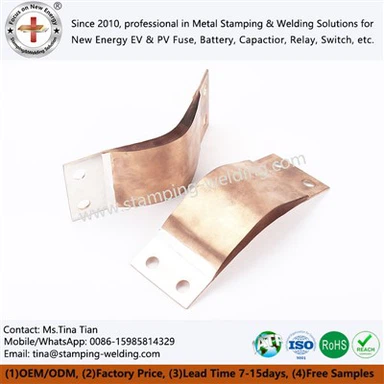
Detailed core knowledge explanation of high-conductivity and corrosion-resistant brass
May 20, 2026
Material advantages
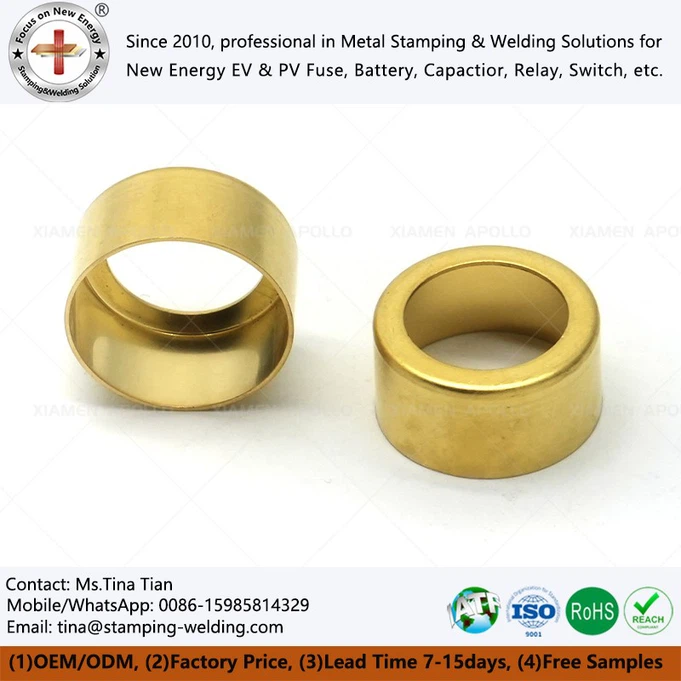
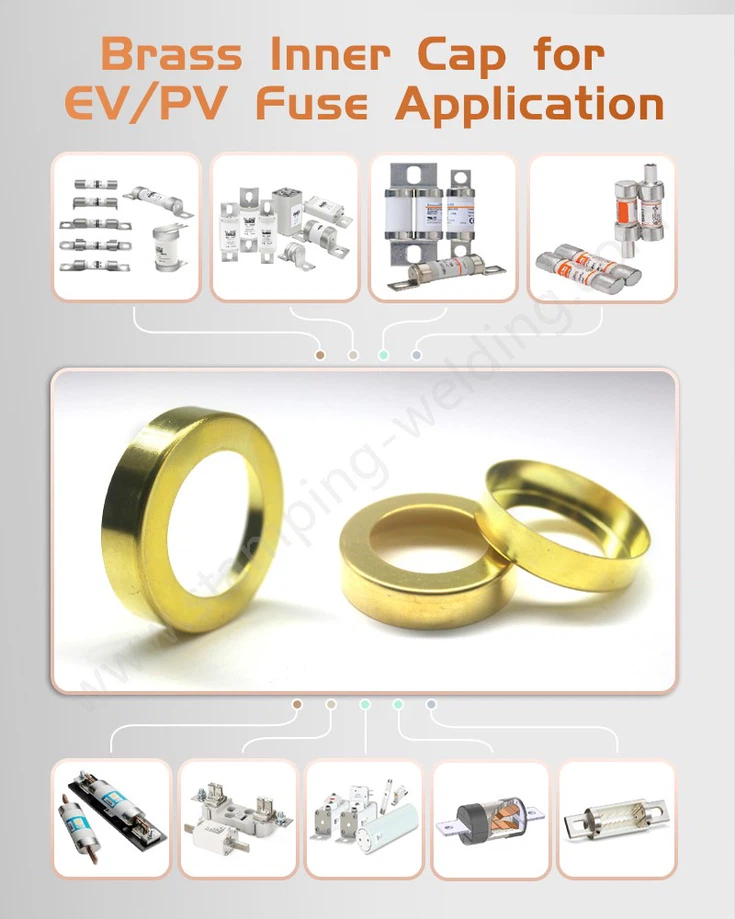
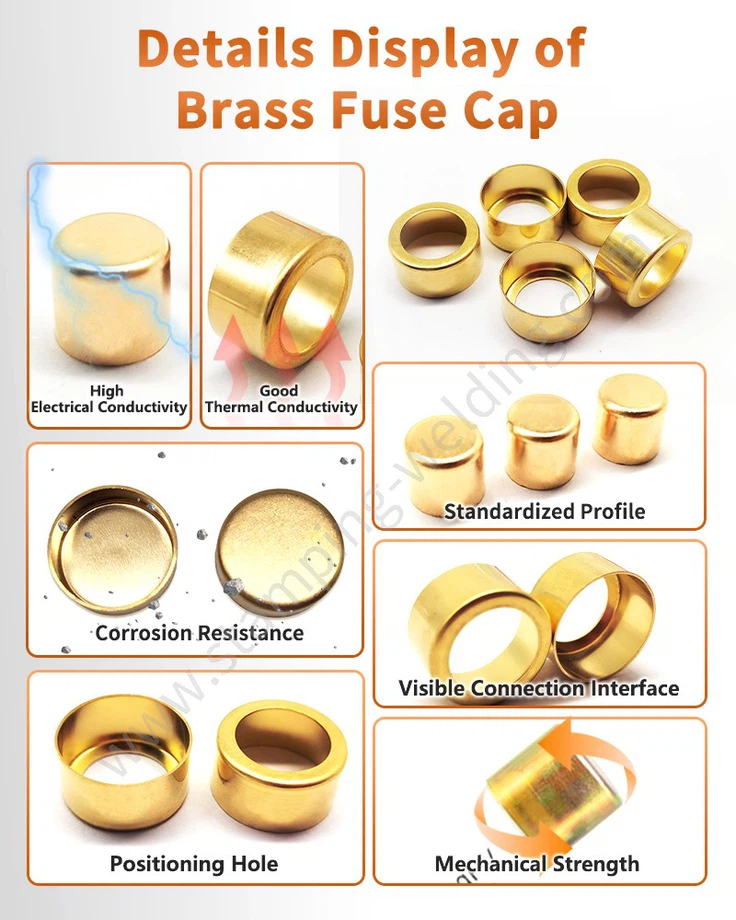
Brass C21000 (H95) is a special brass alloy with a copper content of 94.0% to 96.0% and a zinc content of 4.0% to 6.0%. Because its copper content is close to the level of red copper, and it is classified as brass because it contains zinc, it is also called "zinc-containing red copper" and has a unique status among metal materials. From the perspective of international brand correspondence, C21000 in the American standard and H95 in the national standard refer to the same material. In terms of implementation standards, there are certain differences in specific indicators between the American standard ASTM B134 and the national standard GB/T 5231. The strict control of lead content in the American standard requires that the lead content does not exceed 0.05%. This extremely low lead content standard enables it to meet the NSF/ANSI 61 drinking water safety certification. In terms of chemical composition, the high content of copper gives the alloy good electrical and thermal conductivity, while the addition of zinc enhances its strength and corrosion resistance. The total amount of impurities in the American standard is strictly limited to no more than 0.15%, of which lead and iron do not exceed 0.05%. The low-lead formula is a highlight of brass C21000 (H95), which fully complies with the requirements of the RoHS directive and has significant advantages in areas with extremely high safety requirements such as food contact and drinking water systems. In the field of electrical protection devices, Fuse End Caps Brass, as a key component of the fuse end seal and electrical connection, has strict requirements on the conductivity and mechanical strength of the material. Brass C21000 (H95) has become an ideal material for this application due to its good comprehensive performance.
Physical properties
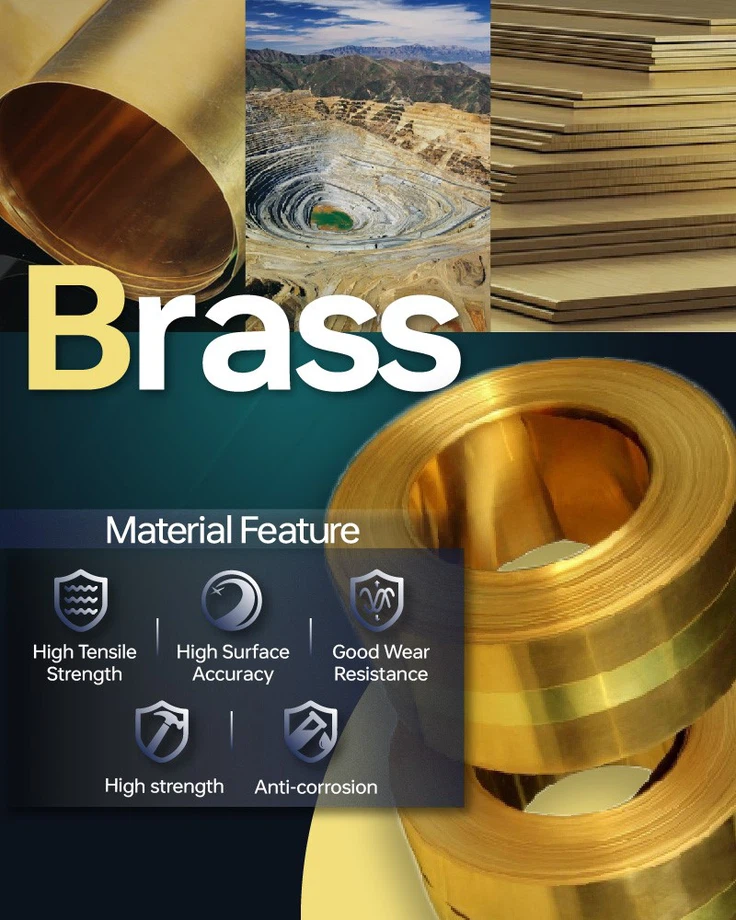
The density of brass is 8.86 grams per cubic centimeter, the melting range is between 1050 and 1070 degrees Celsius, the thermal conductivity reaches 210 watts per meter per Kelvin, and the electrical conductivity is not less than 50% IACS. Although its electrical conductivity is about half that of pure copper, it is still at a relatively high level among many alloy materials. It can not only effectively conduct heat for the manufacture of thermal equipment such as heat sinks, but also stably transmit current, making it an ideal material for electrical connectors. In terms of mechanical properties, the tensile strength in the annealed state is 220 to 280 MPa, the elongation is not less than 35%, and the hardness is not more than 60HB. It has excellent plasticity and can easily perform stamping, stretching, spinning and other forming operations during cold working. After work hardening, its good plasticity can be restored through annealing at 550 to 650 degrees Celsius, which facilitates subsequent processing. During the fuse assembly process, the Brass Inner Cap, as an internal structural part, needs to accurately match the melt and other parts. The good cold working performance of brass C21000 (H95) enables it to meet the processing requirements of precision dimensions.
application scenarios
The application scenarios of brass are extremely diverse, covering many fields such as construction and decoration, electronics and electrical, plumbing and bathroom, industrial equipment manufacturing, etc., showing strong applicability. In the field of architecture and decoration, its corrosion resistance and ductility make it suitable for making structural hardware such as rain gutters and roof panels. In high-end residences, it can effectively drain water and keep it as bright as new for a long time, adapting to different architectural styles; in door and window decorative strips and curtain wall accessories, it can present a variety of colors and textures after surface treatment, adding a noble and elegant temperament to the building. After anodizing, it can also form a hard oxide film, further improving corrosion resistance and gloss.
In terms of decorative products, the red-gold color of brass is highly stable and suitable for making medals and commemorative coins. It remains bright and bright after long-term storage and has high collection value. This material is often used for medals in international sports events. In the manufacturing of musical instruments, its high plasticity and fatigue resistance are suitable for making brass instrument reeds, which can ensure stable sound quality when the reeds vibrate frequently, producing crisp and sweet sounds. In the electronic and electrical industry, its precision terminals, switch contacts, heat sinks, connectors and other products are widely used. Precision terminals and switch contacts rely on high conductivity and arc resistance to ensure the normal operation of electronic equipment; the heat sink efficiently conducts heat to ensure stable equipment temperature; connectors rely on high elongation to improve crimping reliability and adapt to high-frequency signal transmission needs.
In plumbing and bathroom systems, the low lead release characteristics of brass make it comply with ASTM B88 drinking water standards. It is widely used in household water purifiers, water heater connecting parts and other products that are in direct contact with drinking water to ensure household water safety. In neutral water quality, its corrosion resistance is better than that of ordinary brass, and its service life is longer. It can reduce the risk of scale adhesion and corrosion perforation. It is suitable for use in household water pipe systems and the renovation of old residential water pipes to reduce later maintenance costs. In the field of industrial equipment manufacturing, its corrosion resistance is suitable for equipment linings and heat exchanger pipes in the chemical industry. It can cope with weak acid corrosive media and ensure the normal operation of equipment; in precision parts manufacturing, its medium strength and low friction coefficient are suitable for making instrument gears and bearing cages to ensure instrument accuracy and stability and reduce mechanical wear.
Detailed features
The core value of brass in the electronic and electrical industry is reflected in its balance of electrical and mechanical properties. The electrical conductivity is not less than 50% IACS, which means that the energy loss is controllable when transmitting current. At the same time, the solid solution strengthening effect of zinc significantly improves the strength of the material, making it less likely to deform under dynamic conditions of frequent plugging and unplugging or vibration. Components such as precision terminals, switch contacts and connector reeds need to withstand mechanical stress while ensuring low contact resistance. Brass meets these dual requirements. Its good thermal conductivity is also suitable for heat sink manufacturing, and can quickly conduct the heat generated by power devices to the heat sink fins, and then dissipate it through forced convection. The application of Nickel Plated Brass End Caps in the field of electronic connectors further expands the material boundaries. The nickel plating not only provides additional wear-resistant and anti-oxidation barriers, but also improves soldering wettability, allowing the end caps to form a reliable metallurgical bond during reflow or wave soldering processes. It is especially suitable for high-density interconnection and high-frequency signal transmission scenarios.
contact us
We can provide customized Brass Compression Cap solutions based on customers' material standards and application environments. If you need to know more product details or obtain technical support, please feel free to contact us at any time. We will provide you with professional services and high-quality product guarantees.