Ensuring Uniformity and Adhesion in the Electroplating Process of Copper Caps for New Energy Vehicle Fuses
Feb 26, 2025
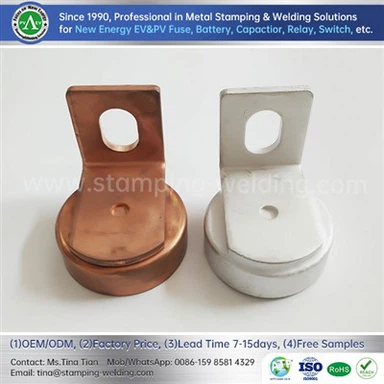
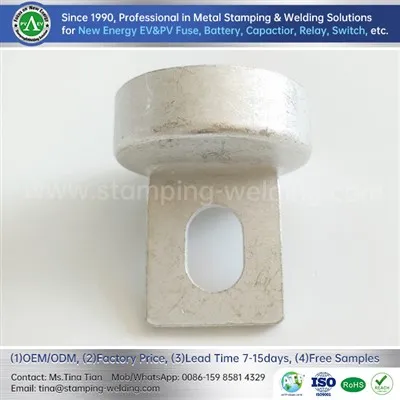
With the rapid expansion of the new energy vehicle market, the copper cap of the fuse, as a key component in the electrical system, undertakes the responsibility of ensuring the safe and stable transmission of current. In this process, the uniformity and adhesion of the electroplating layer become key factors affecting the performance and service life of the copper cap of the fuse. A high-quality electroplating layer can not only improve the corrosion resistance and conductivity of copper caps but also effectively enhance its mechanical strength and prevent oxidation and wear of copper caps in harsh environments. This article will deeply explore how to ensure the uniformity and adhesion of the electroplating layer in the manufacturing process of the copper cap of fuse for new energy vehicles, introduce the technical advantages of our company in this field in detail, and encourage customers to purchase our copper cap of new energy fuse.

Overview of electroplating process
Electroplating is the process of depositing a metal or alloy layer on the surface of a conductive substrate through an electrochemical reaction. In the manufacture of copper cap fuse, electroplating is not only for beauty but also for enhancing the functionality of the copper cap. Generally, the electroplating material selection of copper caps includes tin plating, silver plating, nickel plating, etc. The specific selection depends on the application environment and customer needs. A high-quality electroplating layer can significantly improve the corrosion resistance, wear resistance, and conductivity of copper caps, thereby extending the service life of fuses.
Technical methods to ensure uniformity of the electroplating layer
Importance of the pre-treatment process
The pre-treatment process before electroplating is crucial, which directly affects the uniformity and adhesion of the electroplating layer. Pre-treatment usually includes steps such as cleaning, pickling, degreasing, and surface activation. Through these treatments, grease, oxides and other contaminants on the surface of copper caps can be effectively removed, thereby ensuring the clean surface of copper caps and providing an ideal substrate for uniform deposition during electroplating.
Ultrasonic cleaning: Ultrasonic vibration is used to impact the surface of copper caps with tiny bubbles in the cleaning solution, effectively removing oil and impurities on the surface. This process ensures that the surface of copper caps is completely clean before entering the electroplating tank.
Pickling and surface activation: Use an acidic solution to remove the oxide layer on the surface of copper caps, and at the same time increase the activity of the surface through activators, thereby providing better bonding ability for subsequent electroplating processes.
Optimize electroplating tank design and control electroplating parameters
The design of electroplating tanks and the control of electroplating parameters are crucial to the uniformity of electroplating layers. The structure of the tank, the distribution of current density, the stirring method, and the temperature control will directly affect the quality of the electroplating layer.
Uniform current density distribution: By optimizing the design of the electroplating tank, the current is evenly distributed on the surface of the copper cap. This can be achieved by adjusting the distance between the anode and the cathode and using auxiliary anodes. In addition, precise control of current density can avoid local over-plating or under-plating and ensure the uniformity of the coating.
Design of the stirring system: The reasonable design of the stirring system can prevent the plating solution from forming a "dead corner" in the electroplating tank and ensure that the composition of the plating solution is evenly distributed. The uniformity of the coating can be improved by gas stirring, mechanical stirring, or electrolyte circulation on the surface of the copper cap.
Multi-layer electroplating process
In order to ensure the uniformity and adhesion of the electroplating layer, a multi-layer electroplating process can be used. By first plating a thin bottom layer and then gradually increasing the thickness, the uniformity of the coating can be effectively improved. At the same time, the metal material for the bottom layer electroplating usually selects a material with good compatibility with the substrate copper, which can enhance the adhesion of the subsequent coating.
Bottom layer electroplating: Use a plating material with good bonding with copper, such as nickel plating or cobalt plating, as the bottom layer. This layer not only improves the adhesion of the final plating, but also provides a uniform surface for the upper layer electroplating.
Multiple plating reinforcement: By repeating the electroplating steps multiple times, a thin layer of metal is applied each time to gradually thicken the total plating. This method ensures the uniformity of each layer of plating and enhances the overall bonding strength and durability.

Technical methods to ensure the adhesion of the electroplating layer
Surface roughening treatment
Appropriate roughening of the copper cap surface before electroplating can increase the surface roughness and thus improve the mechanical bonding of the coating. Common roughening methods include sandblasting, chemical etching, etc., which can effectively increase the microscopic roughness of the copper cap surface and provide more attachment points for the coating.
Sandblasting: Use high-speed sprayed sand to polish the surface of the copper cap to form a fine concave and convex structure on its surface, thereby increasing the adhesion of the coating.
Chemical etching: Etching the surface of the copper cap with an acidic or alkaline solution to remove a thin layer of copper material, while increasing the surface roughness and improving the adhesion of the electroplated layer.
Intermediate layer electroplating technology
Adding an intermediate layer before the main electroplating layer can effectively improve the adhesion of the final plating layer. For example, a layer of nickel is first plated on the copper cap, and then tin or silver is electroplated so that the high adhesion characteristics of the nickel layer can be used to make the final plating more solid.
Nickel intermediate layer: Due to the excellent adhesion and corrosion resistance of nickel, the nickel intermediate layer not only improves the bonding strength of the copper cap surface but also provides additional protection for the final plating.
Heat treatment and curing process
The heat treatment and curing process after electroplating can significantly improve the adhesion of the plating. Through moderate heat treatment, the bonding strength between the plated metal and the substrate copper will be enhanced, thereby improving the overall durability and stability of the electroplated layer.
Heat treatment: Moderate heat treatment of the copper cap after electroplating allows the plated metal to further diffuse on the substrate, thereby enhancing the bonding strength and improving the mechanical properties of the plating.
Curing process: The copper cap is cured after electroplating, especially when organic coatings or sealing layers are applied, the curing process can make these coatings more stable and durable.

Our technical advantages and product features
Advanced electroplating technology and equipment
Our company has the most advanced electroplating equipment and technology to ensure that the electroplating layer of each fuse copper cap is uniform and firm. Our electroplating tank uses advanced current distribution control technology and a precision stirring system to ensure that the plating quality meets the highest industry standards.
Strict quality control
We implement strict quality control at every stage of the manufacturing process, especially in the electroplating process, to ensure that the uniformity and adhesion of the electroplating layer of each fuse copper cap meet the predetermined technical requirements. Our quality inspection includes visual inspection, thickness measurement, adhesion test, and corrosion resistance test to ensure the reliability of the product under various working conditions.
Environmental protection and sustainable production
We are committed to environmentally friendly production and use lead-free and cadmium-free environmentally friendly plating solutions in the electroplating process to ensure that our products not only meet international environmental standards but are also safe and harmless to users and the environment. In addition, our electroplating process focuses on reducing waste liquid discharge and actively responds to the call for green manufacturing.
Customized services
We understand the differences in electroplating requirements of different customers, so we provide customized electroplating services. From the selection of electroplating materials to the customization of plating thickness, we can provide tailor-made fuse copper cap solutions according to the specific application needs of customers, ensuring that the product performance fully meets the requirements of customers.

contact us