Nickel plating process enables industrial-grade Fuse Base for NH to operate for extended periods
Jun 21, 2026
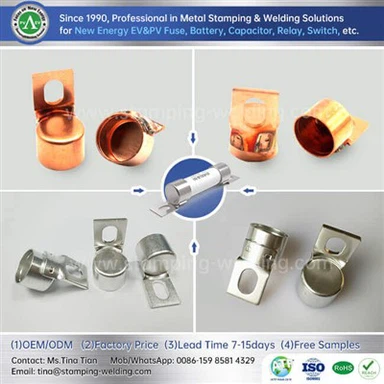
In low-voltage power distribution scenarios, the plating process directly affects the performance of fuse bases. Mainstream Fuse Base for NH conductive parts adopt nickel plating process to make up for the defects of copper materials. It has four major functions: corrosion resistance, enhanced bonding, optimized welding, and prevention of copper diffusion. It is compatible with the mass production standard of NH Low voltage Fuse base and optimizes the adaptability of Fuse for NH to all operating conditions.

Corrosion protection
Currently, most mass-produced Industrial NH Fuse Base Holders use pure copper as the substrate. While copper has excellent conductivity, its adaptability to various operating conditions is limited. Nickel plating can upgrade the overall performance of Knife Type Fuse Bases from four dimensions, making them suitable for diverse scenarios such as corrosive workshop conditions, humid outdoor conditions, and DC power distribution.
Nickel plating enhances the substrate's weather resistance. Pure copper, when exposed to humid industrial atmospheres and acidic/alkaline corrosive media for extended periods, is prone to oxidation and the formation of verdigris, directly increasing contact resistance. This can lead to abnormal temperature rises during equipment operation under load, and when combined with the operation of a 25-fuse power distribution circuit, it can easily induce circuit failures. The nickel metal surface can generate a dense passivation protective film, isolating it from moisture, oxygen, and corrosive media, maintaining low contact resistance for a long time, and making it suitable for use with DC fuse holders in conjunction with other components.
Strengthen connection
Nickel plating optimizes the contact engagement and tightening effect. Conventional copper substrates have a relatively high surface flatness, making Knife-Blade AC Fuse Holders, which rely on clip-on assembly, prone to contact gaps and loosening. The electroplated nickel layer, with its inherent microscopic nodular crystalline texture, increases the micro-roughness of the contact surface, creating a physical anchoring effect. This strengthens the fit between the fuse's blade-shaped contact and the base, making it suitable for the high-frequency disassembly and long-term load-bearing operation of Fuse Holders for NH Fuses.
Furthermore, the nickel plating optimizes terminal welding process performance, avoiding the problems of poor soldering and detachment caused by oxidation of pure copper surfaces. It is compatible with standardized processing procedures such as laser welding and ultrasonic welding in factories. Simultaneously, the nickel material forms an atomic barrier, preventing the migration and diffusion of copper atoms under high-temperature conditions, avoiding performance degradation at power distribution connection points, and ensuring the operational stability of the fuse and relay linkage circuit.

Process selection
From the perspective of industrial power distribution selection, there are differentiated selection standards for fuse contact plating processes. Some cartridge fuses in the industry use silver plating, resulting in lower contact resistance, making them suitable for high-power, heavy-load power distribution circuits and effectively reducing circuit power loss. Nickel plating, on the other hand, focuses on the structural stability and environmental adaptability of the NH Ceramic Fuse Base, adapting to the harsh outdoor and complex operating conditions of the NH Low Voltage Switch Disconnector Fuse Base in chemical plants. Unlike conventional Ceramic Fuse Base basic protection processes, nickel plating combined with a knife-shaped contact structure enhances the overall breaking capacity adaptability of the Fuse Holder with High Breaking Capacity, making it suitable for high and low load industrial power distribution scenarios. This differs from the general processing technology of conventional fuse holder types, precisely addressing the core shortcomings of NH series fuse bases in corrosion resistance, loosening resistance, and diffusion resistance.
Adaptation Summary
From the perspective of comprehensive operating condition adaptation logic, nickel-plated base paired with silver-plated contacts is the optimal matching solution for Fuse Base for NH for Industrial at present. It takes into account low conduction loss, high mechanical engagement strength and all-weather corrosion resistance. It is different from the ordinary fuse holder for glass fuse civilian base process standard. It is specifically adapted to industrial AC heavy-duty power distribution systems. Relying on standardized nickel plating process, it builds a solid foundation for the long-term safe operation of knife fuse base.
Contact Us
If you require high-quality nickel-plated Fuse Base for NH to adapt to the power distribution conditions of your factory, please feel free to contact us to obtain a customized power distribution adaptation solution.