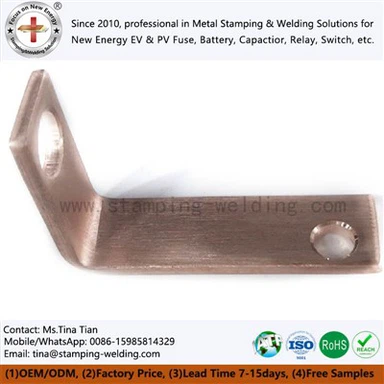
The advantages of using Power battery cover plates in lithium-ion battery systems
Apr 17, 2026
The core positioning of Power battery cover plate in lithium-ion battery systems
With the vigorous development of new energy vehicles and energy storage systems, the lithium-ion battery industry is rapidly upgrading, and the performance and safety of battery components have become the core focus of industry attention.
As a key component of lithium-ion battery structure, the LFP safety cover set plays an important role in protecting the battery cells and ensuring the stable operation of the system. Its material properties and structural design directly affect the overall performance, safety, and service life of the battery system. It is a core structural component that meets the development needs of modern lithium-ion batteries.
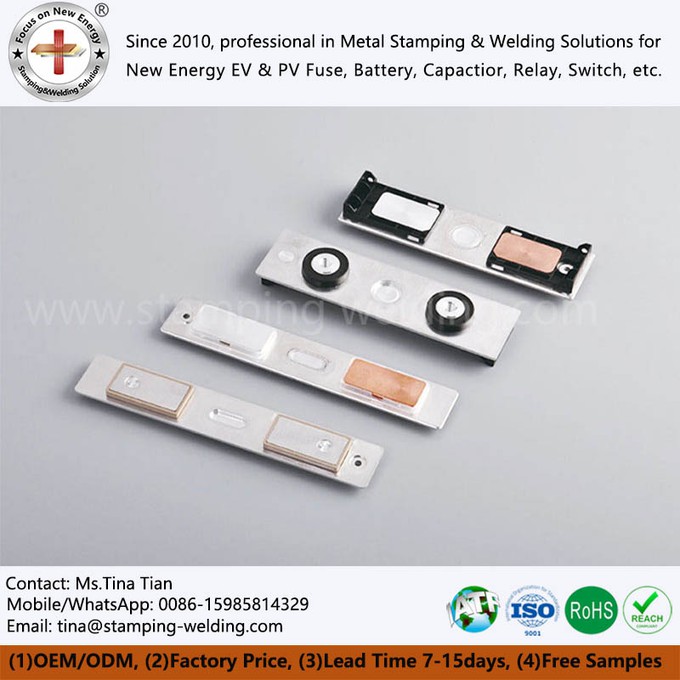
Core material characteristics and advantages of Power battery cover plate
The excellent performance of Aluminum cover plates for batteries is rooted in their outstanding material properties, which provide a solid foundation for battery systems.
Firstly, it has excellent thermal conductivity, which can quickly transfer the heat generated inside the battery to the external environment, effectively avoiding heat accumulation, reducing the risk of thermal runaway, and ensuring the safe operation of the battery.
Secondly, it balances lightweight and high strength, providing reliable protection for internal components while significantly reducing the overall weight of the battery system, helping to improve energy efficiency.
Thirdly, it has outstanding corrosion resistance, and a dense oxide film can naturally form on the aluminum surface. Copper and aluminum bimetallic bipolar plates can resist the erosion of electrolytes and external environmental factors, effectively extending the service life of batteries.
Entering the spraying and curing stage, the epoxy powder is uniformly adsorbed on the surface of the Epoxy bus bar coating through electrostatic spraying equipment, and then enters the curing furnace for high-temperature melting and solidification, forming a continuous and dense insulation protective layer, with a focus on ensuring that the coating has no pinholes, no sagging, and no missed spraying. After molding, it enters the comprehensive testing stage, where insulation performance, mechanical strength, and dimensional accuracy are verified through voltage withstand testing, adhesion testing, thickness testing, and temperature rise testing to ensure that the busbar meets the actual power system usage standards.
Structural and functional advantages
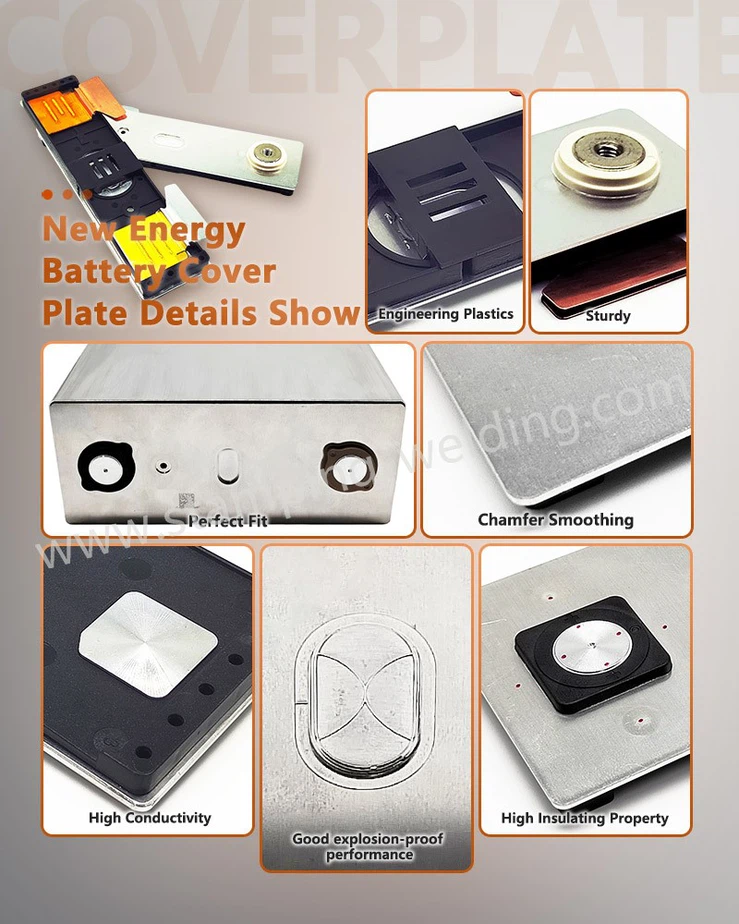
In addition to material properties, Lithium battery top cover has significant advantages in structural design and functional integration, adapting to the needs of large-scale battery production and safe operation.
In terms of sealing performance, the aluminum cover plate that has been precision machined and assembled can achieve reliable sealing, effectively preventing electrolyte leakage and external moisture intrusion, and ensuring the stability of the internal environment of the battery.
In terms of component integration, aluminum cover plates can provide a stable installation platform for core components such as explosion-proof valves and electrode terminals, simplify the overall structure of the battery, and improve assembly efficiency.
In terms of impact resistance, Prismatic lithium battery lid has excellent cushioning performance, which can resist external impacts and protect the battery cells from damage in harsh working conditions such as collisions.
Comparative advantages of applicable fields and materials
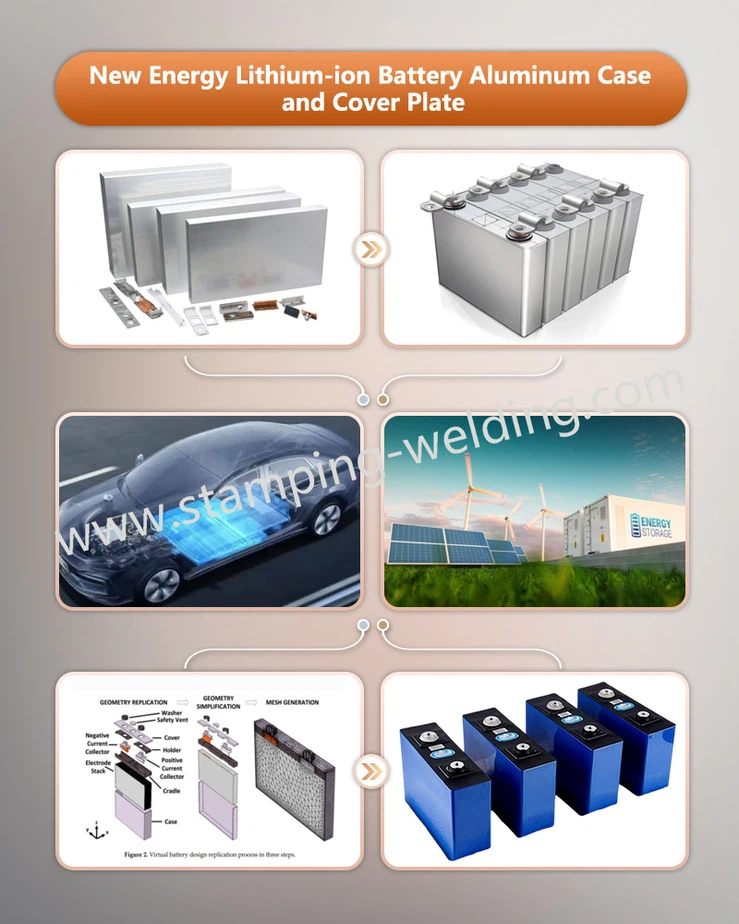
Prismatic lithium battery canopy, with its comprehensive advantages, is widely used in various lithium-ion battery systems, covering new energy vehicle power batteries, large-scale energy storage system batteries, as well as industrial and commercial backup power sources, special equipment batteries, and other fields. It can meet the long-term stable operation needs of batteries in different scenarios.
Compared with plastic and steel cover plates, aluminum cover plates have particularly prominent comprehensive advantages: plastic cover plates have poor heat dissipation and insufficient strength, making them unsuitable for high-power battery systems; Steel cover plates are heavier, increasing the overall load of the battery, and their corrosion resistance is not as good as aluminum cover plates without additional treatment. The Prismatic lithium battery annex achieves a balance between weight, strength, thermal conductivity, and corrosion resistance, which is more in line with the development trend of modern lithium-ion battery systems.
contact us
If you have any selection, customization, or technical consulting needs for Power battery cover plates, please feel free to contact us at any time. We will provide professional solutions based on your actual scenario to help you achieve product upgrades and efficient applications.