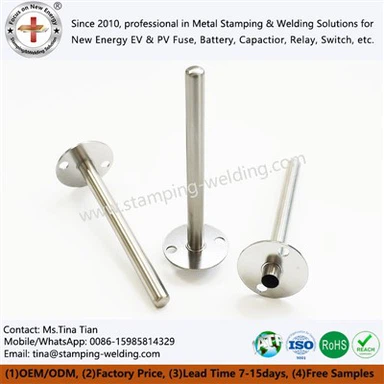


Outer Hull For Brake Pedal Sensor
The outer hull for a brake pedal sensor is a protective casing designed to encapsulate and safeguard the sensor used in a vehicle's brake pedal assembly. This component is crucial for ensuring the reliable performance of the sensor, which detects brake pedal position and driver input.
- Fast Delievery
- Quality Assurance
- 24/7 Customer Service
Product Introduction
PRODUCT INTRODUCTION
The outer hull for a brake pedal sensor is a protective casing designed to encapsulate and safeguard the sensor used in a vehicle's brake pedal assembly. This component is crucial for ensuring the reliable performance of the sensor, which detects brake pedal position and driver input. The outer hull is typically constructed from durable materials, chosen for their ability to withstand mechanical stress and environmental factors. Its primary function is to shield the sensor from potential damage, ensuring that the brake system functions accurately and safely. This protective housing contributes to the overall safety and performance of a vehicle's braking system.

PRODUCT FUNCTIONS
--
- Protection: It shields the sensor from physical damage, debris, and moisture, ensuring its continued functionality.
- Environmental Resistance: The outer hull is designed to resist harsh environmental conditions, such as temperature fluctuations and moisture, to maintain sensor accuracy.
- Durability: It enhances the lifespan of the brake pedal sensor, reducing maintenance and replacement costs.
- Safety: By preserving the sensor's accuracy, it contributes to the safe operation of the vehicle's braking system.
- Reliability: Ensures consistent and reliable brake pedal position sensing, vital for vehicle control and safety.

MATERIAL
--
- Plastics: High-strength engineering plastics like polyethylene or polyurethane are frequently used due to their durability, lightweight properties, and resistance to corrosion and environmental factors.
- Aluminum: Aluminum alloys are sometimes chosen for their lightweight nature, corrosion resistance, and ease of machining.
- Steel: While not as common as plastics or aluminum, certain steel alloys may be used, especially in heavy-duty or industrial applications where added strength and durability are necessary.
- Rubber or Elastomers: In some cases, rubber or elastomeric materials may be used for the outer hull, especially when vibration damping or impact absorption properties are required.

WORKSHOP
--
- Advanced Machinery: We employ cutting-edge machinery and equipment for the fabrication of Outer Hulls. CNC machines, injection molding systems, and automated assembly lines ensure efficiency and consistency in production.
- Quality Control: Rigorous quality control processes are integrated at every stage, from material inspection to final assembly. Our experienced technicians conduct thorough inspections to meet industry standards and customer specifications.
- Skilled Workforce: Our highly skilled and trained workforce is committed to producing Outer Hulls with precision and attention to detail. They are experts in working with a variety of materials and ensuring the integrity of the final product.
- Customization: We offer customization options to meet specific client requirements, including varying sizes, materials, and design features of the Outer Hulls.

PROCESSING TECHNOLOGY
--
- Material Selection: We carefully choose high-grade materials like durable plastics, aluminum alloys, or steel, based on the application's requirements and customer specifications.
- Precision Manufacturing: We utilize CNC machining, injection molding, or forming processes to create the desired shapes and dimensions with exceptional accuracy.
- Surface Finish: Depending on the material and application, we may employ surface treatments like coatings or finishes to enhance durability and resistance to environmental factors.
- Welding and Assembly: In cases where multiple components need to be joined, we use advanced welding techniques or assembly processes to ensure structural integrity and reliability.
- Quality Control: Our quality control procedures involve rigorous inspections at various production stages, including dimensional checks, visual inspections, and functional testing to meet industry standards and customer requirements.

PRODUCT INSPECTION
--
- Visual Inspection: Highly trained inspectors conduct visual assessments to identify surface imperfections, irregularities in shape, and any visible defects.
- Dimensional Checks: Precise measurements are taken to ensure that each Outer Hull conforms to specified dimensions and tolerances.
- Weld Quality Assessment: If welding is involved, inspectors meticulously assess the quality of welds, examining their strength, uniformity, and compliance with welding standards.
- Environmental Resistance Testing: Outer Hulls are subjected to environmental tests, such as exposure to temperature variations, moisture, and humidity, to confirm their resilience under real-world conditions.

OUR CUSTOMERS
--

CONTACT US

Hot Tags: outer hull for brake pedal sensor, China, manufacturers, suppliers, factory