

Automotive Battery Case
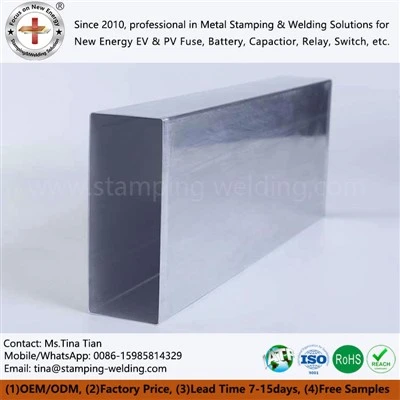
An Automotive Battery Case is a critical component of a vehicle's electrical system, designed to house and protect the car's battery. They are designed with precise dimensions to securely hold the battery in place and protect it from vibrations, extreme temperatures, and potential damage from other engine components. Many automotive cases also feature built-in safety features like ventilation systems to prevent the buildup of harmful gases and secure locking mechanisms.conductivity, making it ideal for dissipating heat generated during operation.
- Fast Delievery
- Quality Assurance
- 24/7 Customer Service
Product Introduction

The Automotive Battery Case is an essential enclosure for the vehicle's pack, providing both physical protection and thermal management. Constructed from robust materials such as polypropylene or reinforced plastics, these cases are engineered to endure the challenging conditions within the engine compartment. They are precisely designed to house the battery cells securely, preventing movement or damage during vehicle operation. Furthermore, these cases often incorporate thermal insulation and ventilation systems to regulate the operating temperature of the battery, ensuring optimal performance and extending its lifespan. With a focus on safety and durability, cases are a vital component in the modern automotive industry, contributing to the overall reliability of vehicles on the road.
Material Feature
- Corrosion Resistance: Aluminum naturally forms a thin oxide layer on its surface, providing excellent resistance to corrosion. This oxide layer protects the metal from rust and degradation, making it suitable for outdoor and marine applications for Lithium-Ion Battery Pack.
- High Strength-to-Weight Ratio: Despite its lightweight nature, aluminum exhibits remarkable strength. Its high strength-to-weight ratio makes it suitable for structural components in various industries.
- Thermal Conductivity: Aluminum is an excellent conductor of heat, allowing for efficient heat dissipation. This feature is essential in applications like heat sinks for electronic devices and cooling systems in automotive engines for LiSoCl2 Battery Case.
- Electrical Conductivity: Aluminum also possesses good electrical conductivity, making it suitable for electrical transmission lines, conductors, and electrical components for Polymer Lithium battery Case.
- Malleability and Ductility: Aluminum is highly malleable and ductile, meaning it can be easily shaped and formed into various complex designs without compromising its structural integrity for Lithium Ion Battery Pack.
- Aesthetic Appeal: Aluminum's natural appearance, along with its ability to accept various finishes, makes it a popular choice for architectural and decorative applications.
- High Reflectivity: Aluminum has excellent reflectivity for both visible light and heat radiation, making it suitable for reflective surfaces in lighting and solar applications for Customized Prismatic Battery Cell Casings.

Deep Drawn
- Material Selection: The process begins with selecting a suitable material for the battery case, often high-strength steel or aluminum alloy. The choice of material depends on factors such as weight, strength, and cost.
- Blank Preparation: Large sheets of the chosen material are cut into blanks, typically circular or rectangular in shape, with dimensions matching the desired size of the battery case.
- Blank Lubrication: The blanks are coated with a lubricant to reduce friction during the deep drawing process and prevent material tearing or wrinkling.
- Drawing Operation: The blank is placed in a hydraulic or mechanical press. A punch descends onto the blank, forcing it into a die with a cavity that matches the final shape of the battery case. The deep drawing operation involves several stages of incremental deformation, gradually forming the blank into the desired shape.
- Redrawing (if necessary): In some cases, a redrawing operation may be required to achieve the desired depth and shape. This involves removing the partially formed case from the initial die and placing it in a secondary die for further shaping.
- Trimming: Excess material, known as flash, is trimmed from the edges of the formed battery case to achieve the final dimensions.
- Piercing and Hole Punching: Any holes or openings required for terminals, vents, or mounting are pierced or punched into the battery case during this stage.
- Cleaning and Deburring: The battery cases are cleaned to remove any lubricants or contaminants. Additionally, any sharp edges or burrs from the manufacturing process are removed through deburring.
- Surface Treatment: Surface treatments like coating or painting may be applied to enhance corrosion resistance and improve the aesthetics of the battery case.
- Quality Inspection: Each battery case undergoes rigorous quality control checks to ensure it meets specified tolerances and quality standards. This includes dimensional checks, material integrity assessments, and visual inspections.
- Packaging: Once approved, the finished battery cases are packaged and prepared for shipment to battery manufacturers or assembly plants.

Product Standard
- ASTM Standards: The American Society for Testing and Materials (ASTM) has established various standards for aluminum alloys and products. ASTM standards cover aspects such as chemical composition, mechanical properties, and testing methods for Lithium-ion Battery Pack.
- ISO Standards: The International Organization for Standardization (ISO) has standards related to the quality and performance of aluminum materials. ISO standards may cover alloy designations, technical specifications, and testing procedures.
- RoHS Compliance: The Restriction of Hazardous Substances (RoHS) directive restricts the use of certain hazardous substances in electrical and electronic equipment, including aluminum components. Compliance ensures that the Automotive Battery Case is safe for use in electronics.
- UL Certification: Underwriters Laboratories (UL) provides certification for aluminum enclosures and cases used in electrical equipment. UL certification verifies that the product meets safety and performance requirements.
- NEMA Standards: The National Electrical Manufacturers Association (NEMA) sets standards for electrical enclosures, which may include aluminum enclosures used to protect electrical components. Compliance ensures the enclosure's suitability for specific environmental conditions for Lithium -ion Electric Bike Battery Pack.

Our Partner
We cooperate with many large enterprises, including some world-renowned automobile manufacturers, such as Mercedes-Benz, Tesla, Audi, Honda, etc. The selection of these partners fully reflects our reputation and professional knowledge in the industry for Aluminum Case for automotive battery.

Contact Us
If you have any needs regarding the procurement, selection, sample request, or customization of Automotive Battery Case, or if you wish to learn more about the product details, please feel free to contact us. We will arrange a professional team to provide one-on-one service, customize adaptation solutions, and ensure stable supply, accurate selection, and efficient procurement.

Hot Tags: automotive battery case, China, manufacturers, suppliers, factory