Brass Stamping: Precision Manufacturing For Electrical Components
May 29, 2025
Understanding Brass Stamping
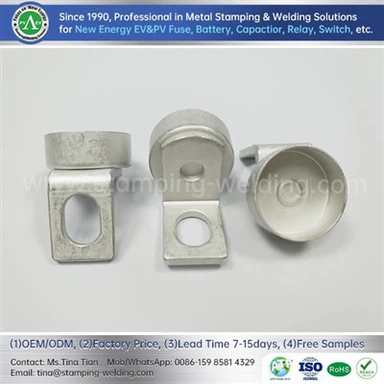
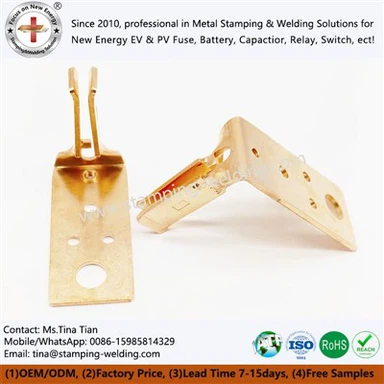
Brass stamping is a specialized form of metal stamping that uses brass, a versatile alloy typically composed of copper and zinc, as the primary material. This process is widely recognized for its ability to produce high-precision components with excellent conductivity, corrosion resistance, and durability. Brass stamped parts are particularly favored in the electrical industry for their reliability and efficiency in various applications, including relays, switches, and contactors.

The Brass Stamping Process
The process of brass stamping involves several critical steps that transform a flat sheet of brass into a functional component:
Material Selection: Brass alloys are chosen based on their specific properties, such as conductivity, strength, and resistance to corrosion. Common types include C3604 (free-machining brass) and C36000 (cartridge brass).
Blanking: The initial stage involves cutting a flat sheet of brass into the basic shape required for the part. This is achieved using a die and punch, which precisely cut the material without deformation.
Punching: Holes or other features may be added at this stage using specialized punches, allowing for the integration of additional functionalities into the part.
Bending: The brass is then shaped into the desired form using dies that apply pressure to bend the material. This step is crucial for creating parts with complex geometries.
Forming: More intricate shapes are achieved through a series of forming operations, where the brass is pressed into a die to take on a specific shape. This is particularly important for parts that require a high degree of precision.
Finishing: The final steps involve trimming any excess material and refining the edges to ensure a smooth, polished finish. This may also include deburring and surface treatment to enhance appearance and functionality.

Applications of Brass Stamped Parts
Relays
Brass stamped parts are extensively used in relays due to their excellent conductivity and durability. They form critical components such as contacts, springs, and armatures, which require precise dimensions and reliable performance.
01
Switches
In switch manufacturing, brass stamped parts are used for components like contacts and terminals. Their conductivity ensures efficient transfer of electrical signals, while their durability ensures long service life.
02
Contactors
Brass parts are also vital in contactors, where they serve as contacts and other critical components. Their ability to withstand repeated electrical and mechanical stress makes them ideal for this application.
03
Other Electrical Components
Beyond relays, switches, and contactors, brass stamped parts find applications in various other electrical components, including connectors, sockets, and terminals, where their properties are highly beneficial.
04
Advantages of Brass Stamped Parts
| Conductivity | Brass offers high electrical conductivity, making it ideal for electrical components where efficient signal transfer is crucial. |
| Corrosion Resistance | Brass is resistant to corrosion, ensuring that components remain functional over extended periods, even in harsh environments. |
| Precision | The stamping process allows for the production of parts with tight tolerances, ensuring consistency and reliability in performance. |
| Durability | Brass parts are known for their strength and ability to withstand mechanical stress, making them suitable for demanding applications. |
| Cost-Effectiveness | While brass is more expensive than some other metals, its properties often justify the cost, providing a balance between performance and economy. |
Maintenance and Inspection of Brass Stamped Parts
To ensure the longevity and performance of brass stamped parts, regular maintenance and inspection are essential:
Visual Inspection: Regularly check for signs of wear, corrosion, or damage. Look for any discoloration or deformation that may indicate material degradation.
Performance Testing: Depending on the application, parts may need to undergo testing to ensure they meet performance standards, particularly in terms of conductivity and mechanical integrity.
Cleaning: Clean parts to remove dirt and debris, which can affect both appearance and functionality. Use appropriate cleaning agents that do not damage the brass surface.
Lubrication: Apply lubrication where necessary to maintain smooth operation, particularly in moving parts or areas subject to friction.
Conclusion
Brass stamping is a critical manufacturing process for producing precision electrical components. Its ability to create high-conductivity, durable parts with tight tolerances makes it indispensable in the production of relays, switches, contactors, and other electrical components. As the demand for reliable and efficient electrical systems continues to grow, brass stamping will remain a vital technique in the industry.

contact us