Busbar
Aug 14, 2023
Introduce
——
A busbar, an essential component in electrical power distribution systems, stands as a robust and efficient solution for conveying electric current between various points within a system. Comprising a conductive material, typically copper or aluminum, the busbar offers a highly conductive path that minimizes energy loss while enabling the efficient transmission of electrical power. Designed to handle substantial current loads, busbars find application across a diverse range of industries, from power generation plants and substations to industrial facilities and data centers. Its flat, rectangular shape not only simplifies installation but also facilitates effective heat dissipation. The busbar's capacity to centralize and distribute power with reliability and minimal energy wastage positions it as a foundational element in modern electrical infrastructure, ensuring stable and effective energy distribution across numerous domains.

Functions
——
The busbar performs a vital role as a foundational component in electrical power distribution systems, facilitating the efficient and safe transmission of electrical energy. Its functions are integral to maintaining reliable and effective power distribution across various industries and applications:
- Power Conduction: The primary function of a busbar is to conduct electrical current between different components of a power distribution system. It serves as a low-resistance pathway that efficiently carries electric power from a power source, such as a generator or transformer, to various loads.
- Centralized Power Distribution: Busbars centralize power distribution by collecting energy from multiple sources and efficiently distributing it to various loads, circuits, or equipment within a facility. This centralized approach simplifies the management and control of power distribution.
- Reduction of Energy Loss: Busbars, typically made from highly conductive materials like copper or aluminum, minimize energy loss during transmission. Their low-resistance design ensures that a significant portion of the electrical energy is delivered to loads without excessive heat generation.
- Voltage Regulation: Busbars contribute to maintaining consistent voltage levels across different parts of a power distribution system. By providing a low-resistance path, they help prevent voltage drops that could lead to operational inefficiencies or equipment malfunction.
- Current Carrying Capacity: Busbars are designed to handle high current loads efficiently. Their cross-sectional area and material properties are carefully chosen to accommodate the current demands of the connected loads without overheating or degradation.
- Heat Dissipation: Busbars with appropriate designs and materials facilitate effective heat dissipation. The flat and wide surface area of busbars allows heat generated during current transmission to dissipate, ensuring that the components remain within safe operating temperatures.
- Electromagnetic Compatibility (EMC): Busbars contribute to EMC by minimizing electromagnetic interference (EMI) and radiated emissions. Properly designed busbars can act as shields, reducing the impact of electromagnetic noise on sensitive electronic components.
- Flexibility and Adaptability: In systems with multiple sources and loads, busbars offer the flexibility to reroute power or isolate faulty components while maintaining continuous power supply to critical areas. This adaptability enhances system reliability and uptime.
- Redundancy and Reliability: Systems with redundant busbars or multiple parallel paths ensure that power distribution remains uninterrupted even if one busbar experiences a fault or requires maintenance. This redundancy enhances the overall reliability of the power distribution system.
- Electrical Isolation: In some configurations, busbars can provide electrical isolation between different voltage levels or phases, preventing accidental contact and electrical shocks. Isolation also contributes to safety during maintenance activities.
- Ease of Installation and Maintenance: Busbars are designed for efficient installation and easy maintenance. Their standardized shapes and connection methods simplify installation processes, reducing downtime during maintenance or system upgrades.
- Safety Enhancement: Properly designed and insulated busbars contribute to electrical safety by preventing accidental contact with live components. They help minimize the risk of electrical shocks, arc flash incidents, and short circuits.
Applications
——
The application of busbars spans a broad spectrum of industries and settings where efficient and reliable electrical power distribution is crucial. From commercial buildings to heavy industries, busbars serve as a foundational element in ensuring seamless energy transmission and management:
- Power Generation Plants: Busbars are integral to power plants, connecting generators, transformers, and switchgear. They efficiently distribute electricity from generators to various parts of the plant, including substations and distribution systems.
- Substations: Busbars play a pivotal role in substations by connecting incoming power from generators or transmission lines to transformers and distribution networks. They enable the transfer of power between different voltage levels while maintaining consistent voltage levels.
- Industrial Facilities: In industrial settings, busbars distribute power to machinery, equipment, and manufacturing processes. Their high current-carrying capacity and efficiency make them essential for powering heavy machinery and maintaining production operations.
- Data Centers: Busbars are vital components in data centers, ensuring reliable power distribution to servers, networking equipment, and cooling systems. They contribute to the stability and uptime of critical data processing operations.
- Commercial Buildings: In office buildings, malls, and other commercial establishments, busbars provide efficient power distribution to lighting, HVAC systems, elevators, and other essential services. They help manage power demands and maintain a comfortable environment.
- Residential Buildings: Busbars are used in residential distribution boards to evenly distribute power to different circuits within a home. They ensure consistent voltage levels and provide a safe and reliable electrical supply to various appliances and outlets.
- Renewable Energy Systems: Busbars are employed in solar power installations and wind farms, connecting panels or turbines to inverters and power conditioning units. They enable the efficient conversion and distribution of renewable energy.
- Transportation: Busbars power electric trains, trams, and trolleybuses, providing the necessary electrical energy for propulsion and onboard systems. They ensure efficient energy transmission and enable environmentally friendly transportation.
- Telecommunications: In telecommunications infrastructure, busbars supply power to equipment such as cell towers, base stations, and networking devices. They contribute to the stable operation of communication networks.
- Mining and Extraction: Busbars are used in mining operations to power equipment and machinery deep underground. Their robust design ensures reliable power distribution in challenging and remote environments.
- Automotive Manufacturing: In automotive assembly lines, busbars power robotic systems, conveyors, and welding equipment. They provide the energy needed for efficient and precise manufacturing processes.
- Energy Storage: Busbars play a role in energy storage systems, connecting batteries and capacitors to inverters and distribution networks. They facilitate the efficient storage and release of electrical energy.
- Hospital Facilities: In hospitals, busbars ensure the reliable distribution of power to critical equipment such as medical imaging devices, life support systems, and lighting, supporting patient care.
- Aviation and Aerospace: Busbars are used in aircraft and spacecraft to distribute power to avionics, lighting, propulsion systems, and other onboard equipment. They contribute to the safe and efficient operation of aerospace vehicles.
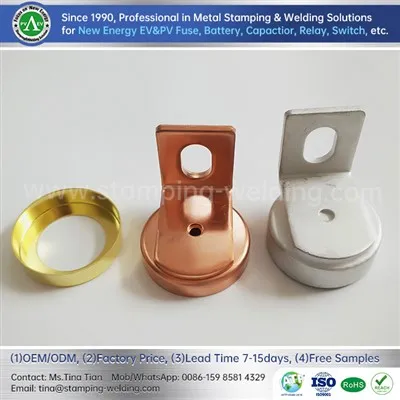
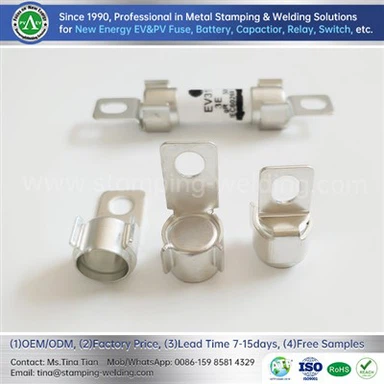
Our company is focused on top quality Copper End Cap, Fuse Terminal Contacts, (ELECTRICAL VEHICLE) EV Film Capacitor BusBar, (SOLAR POWER) PV Inverter BusBar, Laminated BusBar, Aluminum Cases for new energy batteries, Copper/Brass/Aluminum/Stainless Steel Stamping Parts, and other electrical products Metal Stamping and Welding Assembly for over 18 years in China. We started as a small operation, but now have become one of the leading suppliers in the EV and PV industry in China.
If you have any needs, please feel free to contact us and we will reply as soon as possible!