New Energy Storage Technology
Sep 07, 2023
INTRODUCE
——
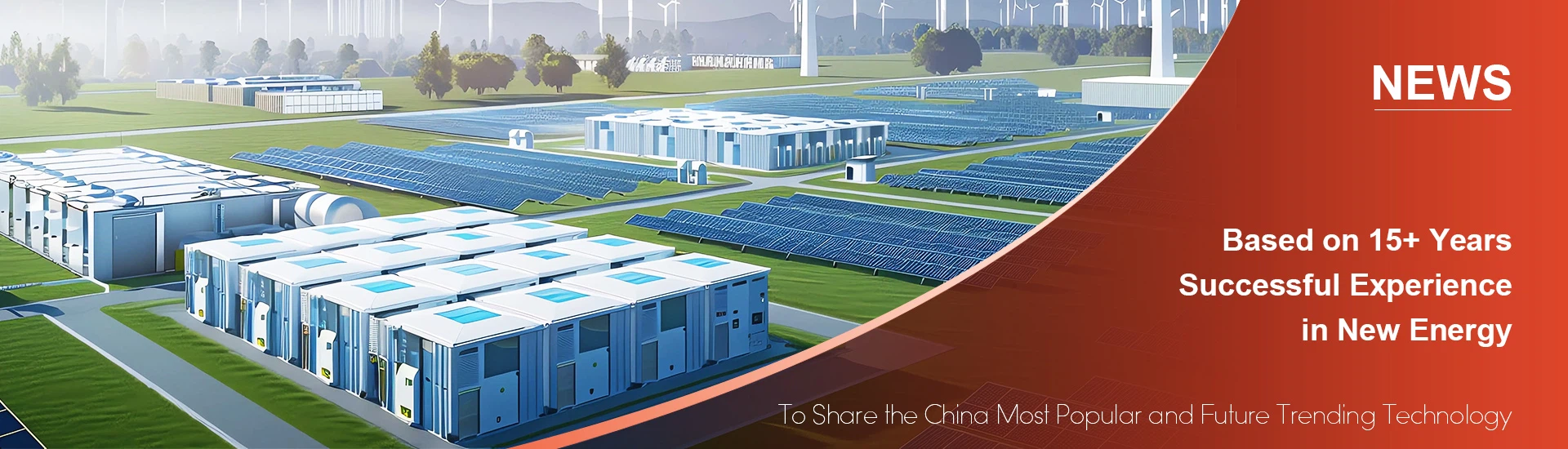
New energy storage technology has emerged as a critical component of the transition to cleaner and more sustainable energy systems. It encompasses a wide range of innovative solutions designed to store and manage energy efficiently. One notable advancement is in battery technology, with lithium-ion batteries at the forefront, offering higher energy densities, longer cycle lives, and faster charging capabilities. Additionally, emerging technologies like solid-state batteries and flow batteries hold promise for further enhancing energy storage capacity and safety. Beyond batteries, other solutions such as compressed air energy storage (CAES), thermal energy storage, and advanced flywheel systems are playing vital roles in grid stabilization, peak demand management, and the integration of renewable energy sources like solar and wind into the grid. These technologies are reshaping the energy landscape, enabling a more reliable, flexible, and sustainable energy future.
DEVELOPMENTS
——
- Lithium-Ion Batteries: Lithium-ion batteries have seen remarkable improvements in energy density, safety, and cost-effectiveness. These batteries are widely used in electric vehicles (EVs) and grid storage systems due to their high energy efficiency and rapid charge-discharge capabilities. Ongoing research focuses on enhancing energy density and reducing the reliance on rare and expensive materials.
- Solid-State Batteries: Solid-state batteries are considered the next-generation battery technology. They promise higher energy density, improved safety, and longer cycle life compared to traditional lithium-ion batteries. Researchers are working to overcome manufacturing challenges and bring solid-state batteries to commercialization.
- Flow Batteries: Flow batteries, such as vanadium redox flow batteries, offer scalable and long-duration energy storage solutions. They are being explored for large-scale grid applications, particularly in combination with renewable energy sources like wind and solar. Advances in flow battery materials and system design are making them more competitive.
- Hydrogen Energy Storage: Hydrogen-based energy storage is gaining traction, particularly for long-duration and heavy-duty applications. Hydrogen can be stored and transported relatively easily, and fuel cells can efficiently convert it back to electricity. Research is ongoing to improve the production, storage, and distribution of hydrogen.
- Advanced Supercapacitors: Supercapacitors, or ultracapacitors, are energy storage devices with high power density and rapid charge-discharge capabilities. They are used for short-term energy bursts and energy recovery in applications like regenerative braking in vehicles and grid stabilization.
- Thermal Energy Storage (TES): TES systems store and release energy by heating or cooling a storage medium. They are used in concentrated solar power (CSP) plants and industrial processes. Developments in TES focus on improving the efficiency and cost-effectiveness of these systems.
- Advanced Materials: Researchers are continually exploring new materials for energy storage, including next-generation electrode materials for batteries, supercapacitor materials, and solid-state electrolytes. These materials can enhance performance, reduce costs, and improve sustainability.
- Grid-Scale Storage: Grid-scale energy storage systems are becoming increasingly important to balance the intermittent nature of renewable energy sources. Energy companies and utilities are investing in large-scale battery installations and exploring innovative storage solutions to enhance grid reliability and stability.
- Energy Management Systems: Advanced energy management systems use artificial intelligence and machine learning algorithms to optimize energy storage and distribution. These systems help maximize the utilization of energy storage assets and reduce energy wastage.
- Integration with Renewables: Energy storage is integral to the integration of renewable energy sources into the grid. Smart grid technologies and advanced inverters are being developed to enable seamless integration and improve grid resilience.
APPLICATIONS
——
1. Renewable Energy Integration:
- Grid Stabilization: Energy storage systems help balance the intermittent nature of renewable sources like solar and wind by storing excess energy during periods of high production and releasing it during peak demand or when renewable generation is low. This contributes to a stable and reliable power supply.
- Microgrids: Energy storage is crucial in microgrid systems, enabling communities, industrial facilities, and remote areas to operate independently or in coordination with the main grid, often with a high share of renewable energy.
2. Electric Vehicles (EVs):
- Battery Electric Vehicles (BEVs): Lithium-ion batteries and other advanced energy storage technologies power electric cars, providing clean and efficient transportation with zero tailpipe emissions.
- Hydrogen Fuel Cell Vehicles (FCVs): Energy storage in the form of hydrogen gas is used to power fuel cells in FCVs, offering longer driving ranges and faster refueling compared to traditional EVs.
3. Grid Services:
- Peak Shaving: Energy storage systems reduce peak demand on the grid by supplying stored energy during periods of high electricity consumption, thus lowering electricity costs for consumers and avoiding the need for expensive peaker plants.
- Frequency Regulation: Fast-response energy storage can help maintain grid frequency within acceptable limits, enhancing grid stability and reliability.
4. Renewable Energy Time-Shift:
- Energy storage allows surplus electricity generated during non-peak hours to be stored and used during peak demand periods, optimizing the use of renewable resources and reducing reliance on fossil fuels.
5. Uninterruptible Power Supply (UPS):
- Energy storage systems provide backup power to critical facilities, such as data centers, hospitals, and emergency services, ensuring uninterrupted operations during grid outages or disturbances.
6. Industrial Applications:
- Load Leveling: Energy storage helps industrial facilities manage and optimize their energy consumption, reducing electricity costs by avoiding peak demand charges.
- Power Quality Improvement: Energy storage systems can mitigate voltage sags and surges, ensuring stable and high-quality power supply for sensitive industrial equipment.
7. Residential and Commercial Buildings:
- Residential Solar*: Homeowners with solar panels can store excess solar energy in batteries for nighttime or cloudy days, increasing self-consumption and energy independence.
- Commercial Energy Management: Businesses use energy storage to reduce demand charges, enhance power reliability, and integrate renewable energy sources into their operations.
8. Rural Electrification and Remote Areas:
- Energy storage systems play a crucial role in providing electricity to off-grid and remote communities, improving living conditions, and supporting economic development.
9. Backup Power for Critical Infrastructure:
- Energy storage ensures uninterrupted power supply for critical infrastructure, including telecommunications, water treatment plants, and military installations.
10. Emergency Response:
- Portable energy storage solutions, such as mobile battery packs, are used in emergency response efforts to provide power for disaster relief, medical equipment, and communications.
11. Aerospace and Space Exploration:
- Energy storage systems are vital for spacecraft and satellites, where weight, energy density, and reliability are critical factors.
12. Maritime and Electric Boats:
- Battery systems are used in electric boats and ships to reduce emissions and noise pollution.