Unveiling The Significance Of Brass Fuse Caps in Electrical Systems
May 23, 2025
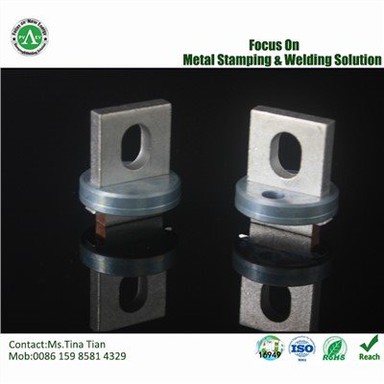
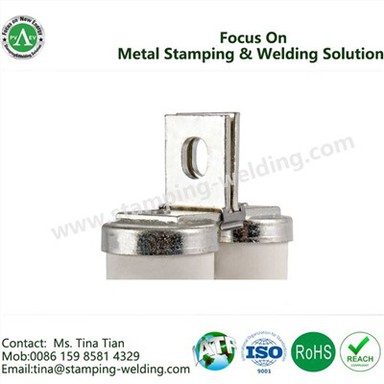
A brass fuse cap, also known as a fuse cap or fuse end cap, is a critical component within electrical fuses. Fuses are essential safety devices designed to protect electrical circuits from overcurrent conditions, such as short circuits or excessive power loads. The Brass Terminal Cap serves as an integral part of the fuse assembly, playing multiple crucial roles in ensuring the proper functioning and safety of the fuse. It is typically located at the ends of a fuse and acts as a connection point between the fuse element and the external electrical circuit.

Manufacturing Processes of Brass Fuse Caps
Stamping
Stamping is a widely used manufacturing process for Brass End Cap, especially for high - volume production. In this process, a sheet of brass is placed between a die and a punch. The punch applies high pressure, forcing the brass sheet to deform according to the shape of the die cavity. Multiple stamping operations can be carried out in sequence, such as blanking (cutting out the basic shape), piercing (creating holes for electrical connections or for the fuse element to pass through), and forming (shaping the cap into its final three - dimensional structure). Progressive die stamping can also be employed, where the brass strip is fed continuously through a series of stations, each performing a specific operation, enabling rapid and efficient production of fuse caps with consistent quality.
Machining
Machining processes, including turning, milling, and drilling, are used when more precise and complex geometries are required for the fuse caps. In turning, a brass rod is rotated, and a cutting tool removes material to create the desired external and internal shapes, such as threading on the outer surface for screw - on connections or precise bores for inserting the fuse element. Milling can be used to create flat surfaces, slots, or other intricate features on the fuse cap. Drilling is used to create holes accurately positioned for electrical connections or for mounting purposes. Machining allows for high-precision manufacturing but is generally more time-consuming and costly compared to stamping, making it more suitable for small-batch production or for fuse caps with unique design requirements.
Casting
Casting is another manufacturing option for Brass Terminal Cap, especially when complex shapes that are difficult to achieve through stamping or machining are needed. In the casting process, molten brass is poured into a mold cavity. Once the brass solidifies, the fuse cap is removed from the mold. There are different types of casting methods, such as sand casting, investment casting, and die casting. Sand casting is relatively inexpensive and suitable for producing large - sized or low - to - medium - precision fuse caps. Investment casting offers high precision and can create intricate details, although it is more costly. Die casting is ideal for high-volume production of fuse caps with good dimensional accuracy and surface finish, as it allows for rapid production cycles and consistent part quality.
Good Electrical Conductivity
Brass has inherent electrical conductivity properties that are suitable for use in electrical components like fuse caps. It allows for efficient transmission of electrical current, reducing energy losses and ensuring the proper functioning of the fuse within the electrical circuit. This conductivity helps to maintain the integrity of the electrical system by enabling the fuse to respond quickly to overcurrent conditions and interrupt the flow of electricity when necessary.
Corrosion Resistance
Brass exhibits a certain level of corrosion resistance, which is crucial for the long-term reliability of fuse caps. In typical indoor electrical environments, as well as in some outdoor or industrial settings with moderate exposure to moisture and air, Brass Terminal Cap can resist oxidation and corrosion. This resistance prevents the formation of conductive oxides on the surface of the cap, which could increase electrical resistance and potentially affect the performance of the fuse. As a result, brass fuse caps can maintain their electrical and mechanical properties over an extended period, reducing the need for frequent replacement.
Formability and Machinability
The various brass alloys used for fuse caps offer good formability and machinability. This allows manufacturers to create fuse caps in a wide range of shapes and sizes to meet the specific requirements of different fuse designs and electrical applications. Whether it's a simple cylindrical cap or a complex, multi-functional design with intricate features, brass can be easily shaped through stamping, machining, or casting processes, providing flexibility in product design and manufacturing.
Cost-Effectiveness
Brass is a relatively abundant and cost-effective material compared to some other metals with similar electrical and mechanical properties. Its wide availability and the efficient manufacturing processes used for Brass Terminal Cap contribute to their cost-effectiveness. This makes brass fuse caps a practical choice for both large-scale commercial electrical applications and smaller-scale domestic or industrial projects, where cost is an important consideration without sacrificing performance and safety.

Material Selection and Quality Control
Selecting the appropriate brass alloy for a specific fuse cap application is crucial. Different electrical environments and operating conditions may require fuse caps with specific properties, such as enhanced corrosion resistance or higher electrical conductivity. Ensuring the quality of the brass material is also essential, as variations in the alloy composition or the presence of impurities can affect the performance of the fuse cap. Rigorous quality control measures during material procurement, including chemical analysis and mechanical testing, are necessary to guarantee that the brass used meets the required standards.
Manufacturing Tolerances
Achieving precise manufacturing tolerances for Brass Fitting End Cap is a challenge. The dimensions of the cap, especially those related to the electrical connection interfaces and the fit with the fuse element and housing, need to be accurate. Any deviation from the specified tolerances can lead to poor electrical connections, loose fits, or difficulty in installing the fuse. Manufacturers must use advanced manufacturing equipment and strict quality control processes to ensure that each fuse cap meets the required dimensional and functional specifications.
Long-Term Performance in Harsh Environments
Although brass has some level of corrosion resistance, in extremely harsh environments, such as those with high humidity, exposure to chemicals, or high temperatures, the performance of Brass Inner Cap may degrade over time. Corrosion, oxidation, or mechanical fatigue can occur, affecting the electrical and mechanical properties of the cap. In such cases, additional protective measures, such as coating the fuse cap with a corrosion-resistant material or using more specialized brass alloys, may be required to ensure the long - term reliability of the fuse in these challenging conditions.
Future Trends in Brass Fuse Caps
Advanced Alloy Development
The development of new brass alloys with improved properties is an ongoing trend. These alloys may offer enhanced electrical conductivity, better corrosion resistance, or increased mechanical strength. For example, the addition of new alloying elements or the optimization of existing alloy compositions could result in brass materials that are more suitable for use in high - voltage or high-temperature electrical applications. This would allow for the creation of more reliable and efficient fuse caps capable of operating in more demanding environments.
Integration of Smart Technologies
With the increasing trend towards smart electrical systems, there is a potential for integrating smart technologies into Brass Inner Cap. This could include embedding sensors within the fuse cap to monitor parameters such as temperature, electrical current, or the condition of the fuse element. The data collected by these sensors could be transmitted wirelessly to a monitoring system, enabling real - time detection of potential fuse failures or abnormal electrical conditions. Such smart fuse caps would enhance the safety and reliability of electrical systems by allowing for proactive maintenance and fault prevention.
Sustainable Manufacturing Practices
There is a growing emphasis on sustainable manufacturing in the industry, and the production of Brass Inner Cap is no exception. Manufacturers are likely to explore ways to reduce the environmental impact of Brass Inner Cap production, such as using recycled brass materials, implementing energy-efficient manufacturing processes, and minimizing waste generation. Additionally, the development of more environmentally friendly surface treatment methods for brass fuse caps, which can enhance their corrosion resistance without the use of harmful chemicals, will also be a trend in the future.

contact us