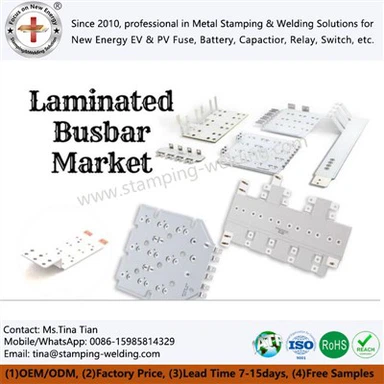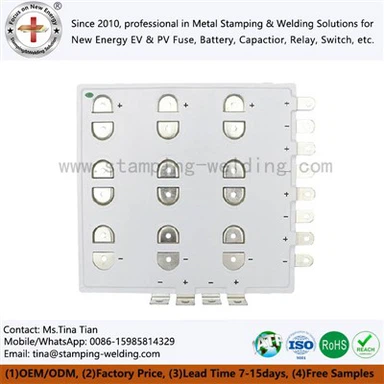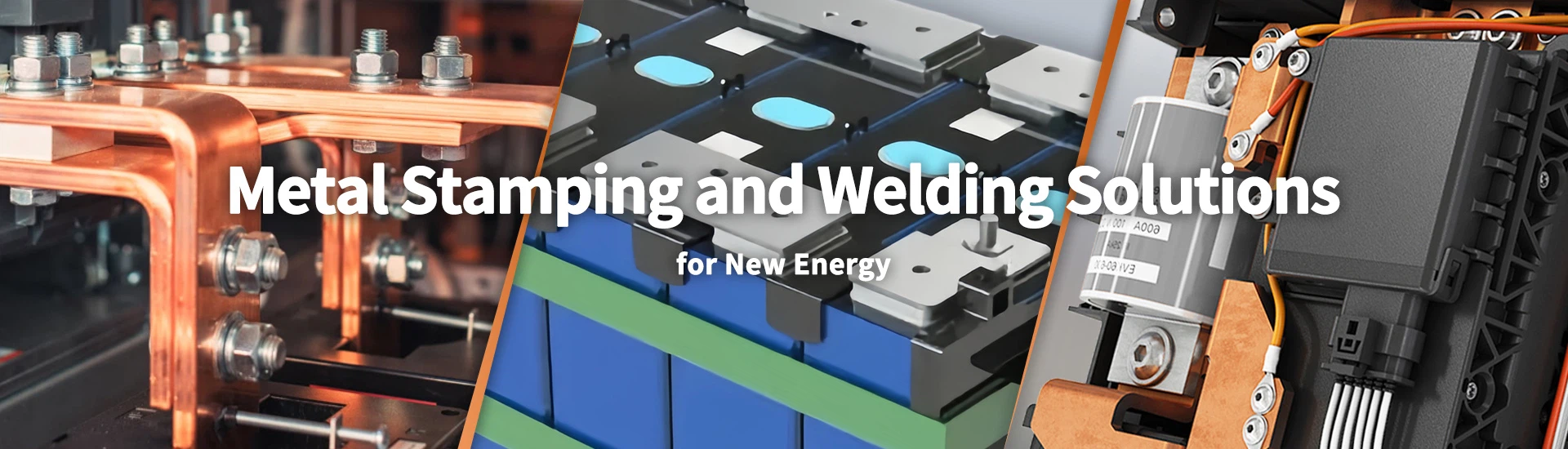


BusBar For Switch
BusBar for Switch is produced through CNC cutting, precision bending, welding, electroplating, and inspection. Xiamen Apollo offers in-house tooling and multi-process manufacturing, backed by 30+ years of electrical experience, 1–2 day samples, 15–20 day mass production, and ISO 9001:2015 and IATF 16949 systems.
- Fast Delievery
- Quality Assurance
- 24/7 Customer Service
Product Introduction

What is a BusBar For Switch?
The BusBar for Switch is a conductive component for switchgear, electrical protection equipment, power distribution assemblies, and industrial control systems. Its conductor geometry, terminal locations, bends, mounting holes, and connection interfaces are produced according to the electrical and mechanical requirements of the assembly.
Production process of BusBar for Power Electronics
Precision Cutting and Shaping
CNC cutting equipment is used to process copper materials, precisely controlling dimensional tolerances to ensure flat and consistent cross-sections. This lays the foundation for subsequent processing and installation, avoiding compatibility issues caused by dimensional deviations for Laminated BusBar for Variable Frequency Drive.
Precision Bending
CNC bending machines achieve precise bending at multiple angles, resulting in crack-free and deformation-free bends. This preserves the original mechanical and electrical properties of the copper material, adapting to the complex layout requirements of electrical distribution cabinets for Laminated BusBar for Distributing Power Backplane.
Surface Treatment Process
After degreasing, pickling, and passivation pretreatment, automated electroplating equipment is used for surface treatment, ensuring a uniform, dense coating with strong adhesion, improving corrosion resistance and conductivity.
Finished Product Inspection and Calibration
Multiple tests are conducted, including conductivity, dimensional accuracy, and insulation performance, ensuring product compliance with international and domestic standards. Test reports are provided for each batch of BusBar with PET Insulating Paper, enabling quality traceability.

Quality control for the BusBar for Switch focuses on dimensional consistency, electrical connection quality, and process stability. Each production stage is controlled from material preparation and precision bending to welding, plating, and final inspection, supporting consistent performance in switchgear and electrical power distribution assemblies.
Dimensional & Form Inspection
Precision bending and CNC machining control terminal geometry, bend angles, hole positions, and critical dimensions. CMM inspection verifies key tolerances against customer drawings before batch release for Composite laminated busbar.
Electrical & Welding Inspection
Laser welding and resistance welding are monitored for joint integrity and consistent connection quality. Electrical resistance and continuity testing verify stable low-resistance paths for switchgear power connections.
Surface & Batch Quality Control
Plating thickness, surface condition, and edge quality are inspected to control oxidation and contact performance. Production follows ISO 9001:2015 and IATF 16949 procedures with batch traceability for Laminated Busbars for complex Busbar Installations.

Frequently Asked Questions about Laminated Bus Bar for Industrial
Q:1. How is dimensional accuracy controlled during Bus Bar Solutions for Electrical Power Distribution production?
A: Copper material is CNC cut and shaped before bending. CNC bending controls bend angles and terminal geometry, while CMM inspection verifies hole positions, profiles, and critical dimensions against customer drawings to reduce assembly deviations in switchgear.
Q:2. How are welded connections inspected on the Laminated Copper BusBar?
A: Laser welding and resistance welding are controlled according to joint design and process requirements. Welded areas are checked for connection integrity, while continuity and electrical resistance tests verify stable low-resistance electrical paths before shipment.
Q:3. How is the surface of a Multi-Layer Composite Structure Connection Bar protected?
A: The copper surface undergoes degreasing, pickling, and passivation before automated electroplating. Coating uniformity, adhesion, thickness, and surface condition are inspected to support corrosion resistance and maintain electrical contact performance during service.
Q:4. What electrical tests are performed on BusBar For Switch?
A: Finished busbars can undergo conductivity, continuity, and electrical resistance testing according to application requirements. These inspections verify the conductive path and help identify process variations that could affect power distribution within switchgear or power electronic assemblies.
Q:5. How does quality control ensure consistency in mass-produced Composite laminated busbar?
A: Process controls are applied from material preparation through CNC forming, welding, plating, and final inspection. Dimensional and electrical checks are combined with batch traceability under ISO 9001:2015 and IATF 16949 quality procedures.
Q:6. Can inspection reports be provided for each Laminated Copper Bar batch?
A: Yes. Inspection records can cover dimensional accuracy, electrical properties, surface treatment, and other agreed specifications. Batch-level documentation supports traceability and gives procurement and quality teams objective records for incoming inspection and supplier management.

Contact Us
Send your 2D/3D drawings, conductor material, current rating, dimensions, and surface-treatment requirements for engineering review and a factory quotation. Prototype and volume-production support are available for custom switchgear busbar programs.

BusBar for Switch supports copper and aluminum conductors, with customized cross-sections, bend angles, mounting holes, and terminal interfaces. Key parameters include electrical conductivity, current-carrying capacity, dimensional tolerance, plating thickness, and contact resistance, specified according to application requirements.
Hot Tags: BusBar for Switch,Switch Busbar Manufacturer,Custom Copper Busbar,Copper Busbar Supplier,OEM Busbar Factory,Switchgear Busbar,Electrical Power Distribution Busbar,Low Resistance Busbar,High Current Busbar,Precision CNC Cutting,Precision Busbar Bending,Laser Welding Busbar,Resistance Welding Busbar,Plated Copper Busbar,Custom Switchgear Busbar