Analysis of the core advantages of Aluminum alloy waterproof solar rail
Apr 08, 2026
Lightweight and structural mechanics characteristics
The density of aluminum alloy is about 2.7 kg/dm ³, significantly lower than the 7.9 kg/dm ³ of steel. Under the premise of meeting the same strength requirements, Aluminum alloy water proof solar rail can significantly reduce its own weight, thereby effectively reducing the structural load-bearing requirements of application scenarios such as roofs, carports, and mountains, especially suitable for load limited installation conditions in distributed photovoltaic projects.
In addition, aluminum alloys exhibit good toughness in low-temperature environments, and their strength does not decrease but rather increases, thus avoiding the brittle cracking problem that ordinary steel, especially welding parts, are prone to under low-temperature conditions. This enables Aluminum mounting brackets to maintain excellent structural safety even under extreme weather conditions, making them suitable for key load-bearing components such as aluminum clamps in photovoltaic bracket systems.
Corrosion resistance and electrochemical compatibility
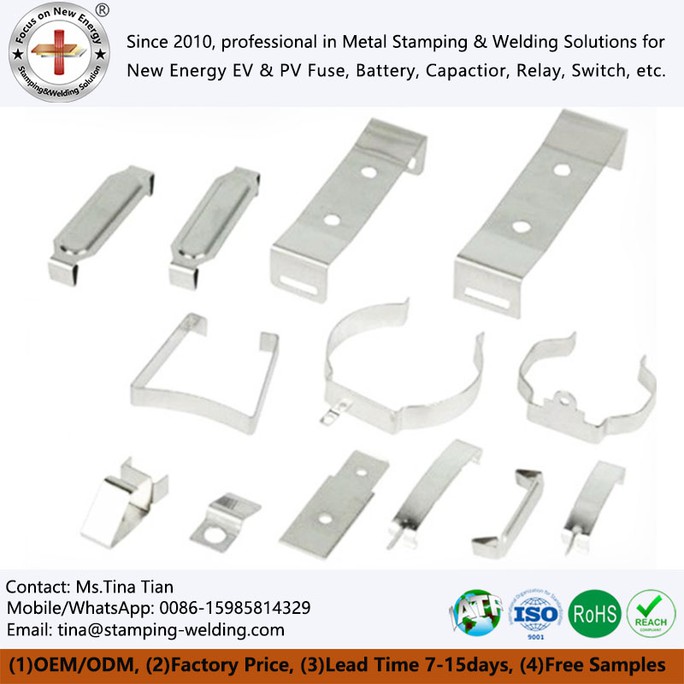
Aluminum alloy can quickly form a dense aluminum oxide protective film in the natural environment, effectively inhibiting further oxidation of the substrate material and endowing the Aluminum alloy water proof solar rail with natural corrosion resistance. It can meet long-term outdoor use requirements without complex surface protection treatment. At the same time, aluminum brackets can avoid the risk of galvanic corrosion when steel brackets come into contact with aluminum components (such as photovoltaic frames), thereby extending the service life of the entire system. Its excellent conductivity can also balance and conduct weak currents generated within the system, further enhancing the operational stability of the Aluminum clamp hook for roof photovoltaic support system.
Advantages of Forming and Processing Technology
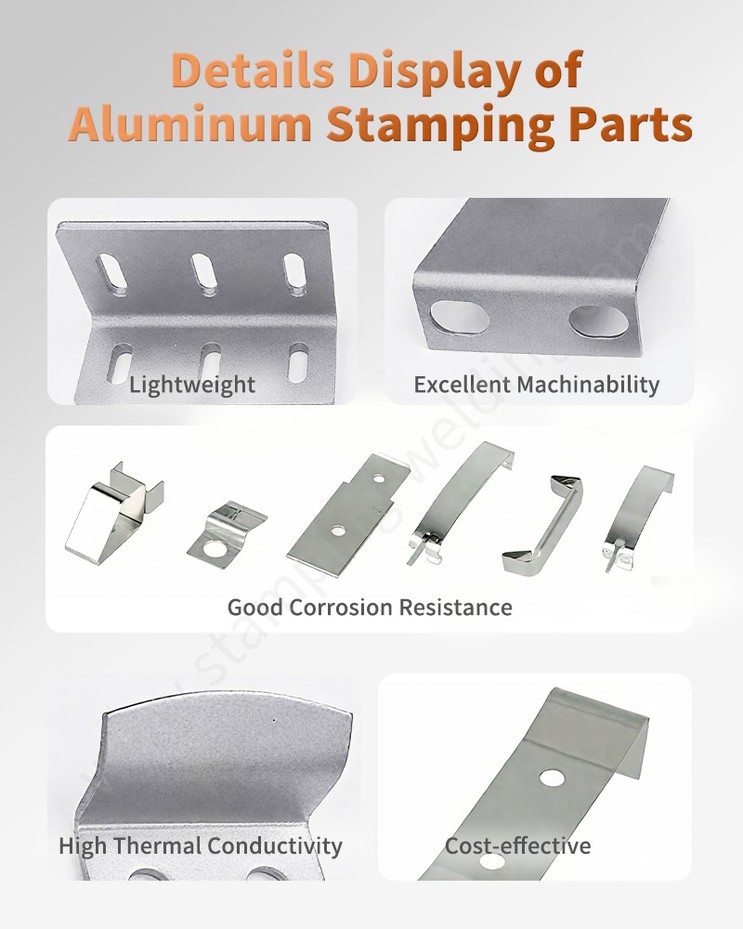
Aluminum alloy has excellent forming flexibility. By using extrusion technology and the combination of different molds, it is easy to produce various complex cross-section aluminum profiles, which can flexibly meet the diverse design needs of solar installation structures for shaped Aluminum photovoltaic bracket accessories. At the same time, aluminum profiles are easy to undergo secondary processing such as sawing, drilling, stamping, and bending, meeting the requirements of rapid on-site assembly. Its processing energy consumption is significantly lower than that of steel, which helps to improve the construction efficiency of products such as Aluminum accessories for solar mounting and effectively reduce the overall manufacturing cost of the project.
Environmental friendliness and full lifecycle value
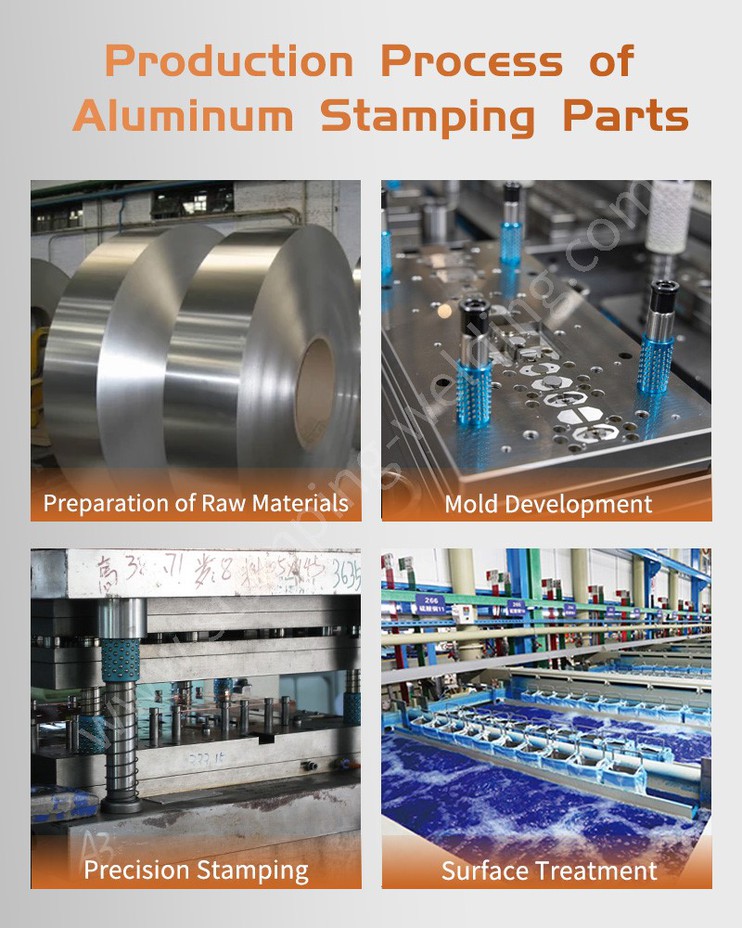
Aluminum alloy has excellent recyclability, and its energy consumption for recycling and reprocessing is only about 5% of that of primary aluminum production, fully in line with the trend of low-carbon and environmentally friendly industrial development. In photovoltaic power generation systems, the service life of Aluminum alloy solar panel mounting bracket can exceed 25 years, with stable performance and low maintenance costs during service. After the retirement of the system, aluminum materials can be efficiently recycled and reused, with both economic value and environmental benefits, achieving the goal of green development throughout the entire lifecycle.
contact us
Aluminum alloy water proof solar rail has significant advantages in lightweight, corrosion resistance, easy processing, and full lifecycle environmental protection. However, the actual selection and design still need to be comprehensively evaluated based on specific application scenarios. If you are planning a photovoltaic or related outdoor structural project, please feel free to contact us at any time for more targeted product recommendations and technical selection support.