Detailed explanation of Aluminum metal stamping process
Apr 08, 2026
The core definition and principle of stamping process
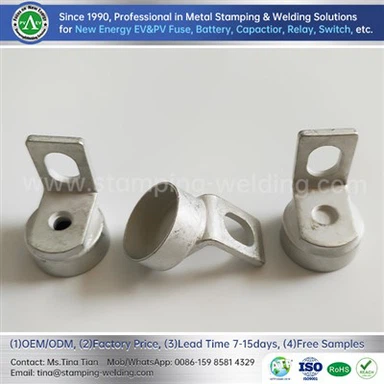
The stamping process of Aluminum metal stamping belongs to the category of precision metal plastic processing. This process mainly relies on the synergistic effect of stamping equipment and specialized molds to apply external force to aluminum plates, aluminum coils and other aluminum materials, causing plastic deformation or separation of the materials, and ultimately obtaining aluminum components that meet the design specifications.
The stamping process fully utilizes the material characteristics of aluminum alloy, which have good plasticity and are easy to deform. It can not only achieve large-scale production of simple aluminum accessories for solar installation, but also precision machining of complex shaped aluminum structural parts. In the manufacturing of Aluminum alloy water proof solar rail, stamping is a key process that determines the dimensional accuracy, mechanical properties, and functional use of the product.

Stamping standard process flow
The stamping process of Aluminum metal stamping adopts a standardized and interconnected process design, focusing on precision and quality control throughout the entire process, mainly divided into six core steps.
Step 1, raw material preparation: select aluminum plates, aluminum coils and other materials according to product requirements, complete cutting and deburring pretreatment in advance, and ensure the surface smoothness and processing adaptability of the raw materials.
Step 2, mold design: Draw a drawing based on the shape and size of the aluminum clip hook, and design the upper and lower molds separately as the core carrier of the forming process.
Step 3, processing and forming: divided into two categories: separation process and forming process. Separation process includes cutting, punching, shearing, etc., while forming process includes deep drawing, flanging, bulging, etc. The corresponding process can be flexibly selected according to product requirements.
Step 4, process control: Strictly control the process parameters during the machining process, and ensure the consistency of the workpiece size by adjusting the punching force, punching speed, and mold accuracy.
Step 5, surface Treatment: After stamping is completed, polishing, oxidation, spraying and other treatments are carried out as needed to improve the corrosion resistance and appearance quality of the Aluminum mounting bracket.
Step 6, quality Inspection: Use professional testing instruments to inspect the size, appearance, and mechanical properties to ensure that the finished product meets the design standards.

Process parameters and mold requirements
Aluminum clamp hook for roof photovoltaic support has high requirements for process parameters and mold accuracy. Due to the relatively low elongation and obvious rebound tendency of aluminum alloys, it is necessary to control the edge pressure, stamping speed, and lubrication conditions reasonably during the stamping process to avoid cracking, wrinkling, or dimensional deviations. In terms of mold design, it is necessary to increase the fillet radius appropriately to disperse stress, and use compensatory mold surfaces to cope with springback. Mold materials should have good wear resistance and adhesion resistance. If necessary, surface coating treatment can be used to extend the mold life and improve the surface quality of stamped parts.
The Value of Craftsmanship and the Significance of Industrial Development
Aluminum photovoltaic bracket accessories technology is a precise and systematic machining technique. Through standardized process control and precise adjustment of process parameters, high-quality and high-precision aluminum structural components can be stably produced, laying a solid foundation for the functional realization and long-term reliability of photovoltaic support systems. With the continuous improvement of lightweight, precision, and weather resistance requirements in the photovoltaic industry, the continuous innovation and optimization of aluminum stamping technology will further promote the upgrading of Aluminum accessories for solar mounting manufacturing capabilities, and help the new energy structural components industry develop towards high efficiency, green, and precision.

Contact us
The stamping quality of Aluminum metal stamping directly affects the installation reliability and service life of the entire system. Process selection and mold design need to be finely matched with specific application scenarios. If you are developing or optimizing rooftop photovoltaic bracket products, please feel free to contact us at any time for more professional process advice and technical selection support.