Basic knowledge of Commercial and Industrial storage systems: system architecture, application model and economic analysis
Apr 29, 2026
What is commercial and industrial energy storage?
Industrial and commercial energy storage is not a simple "large power bank", but an intelligent power management system specially designed for enterprises, factories, commercial complexes, etc. Its core function is to realize the transfer and optimal allocation of electric energy in the time dimension by storing electricity during valley periods and discharging during peak periods, while also providing auxiliary services such as emergency power backup and demand response. Unlike home energy storage that serves household electricity and energy storage power stations that serve grid-side peak shaving, Commercial Energy Storage places more emphasis on profitability and load-side management capabilities, and is a key technical path for enterprises to reduce costs and increase efficiency.
According to core uses, Industrial Energy Storage can be divided into three categories: peak-valley arbitrage type (earning electricity price differences, the most mainstream), emergency backup type (millisecond-level response, avoiding production shutdown losses), and auxiliary service type (participating in power grid frequency and voltage regulation, obtaining subsidies). After the issuance of Document No. 136, new energy has fully entered the spot market. As a flexible and adjustable resource, industrial and commercial energy storage has transformed from an "optional product" to a "necessity" for many high-energy-consuming users.

Core composition
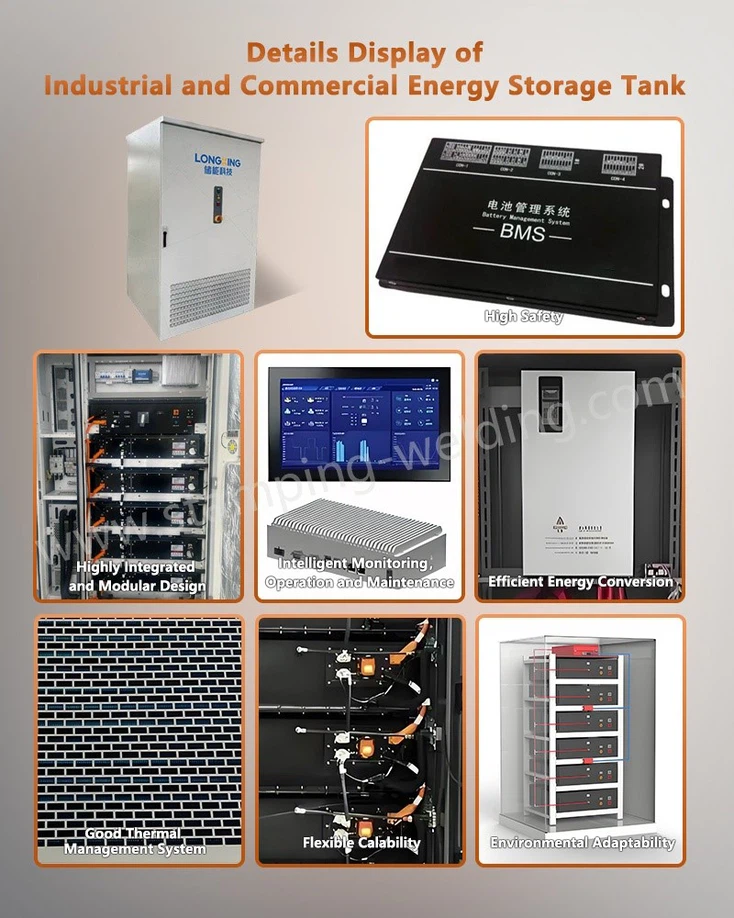
A complete industrial and commercial energy storage system consists of three core components, each of which is indispensable and requires professional integrated design to ensure collaborative efficiency. Battery pack: power storage warehouse. Currently, the mainstream of industrial and commercial energy storage uses lithium iron phosphate batteries, which have the characteristics of high safety, long cycle life (≥6000 times), and slow decay. The capacity of the battery pack determines the power storage capacity of the system. For example, a 2MW/4MWh system can store 4,000 kilowatt hours of electricity, covering the power gap during peak hours. It should be emphasized that Large-scale battery storage for industry has extremely high requirements for battery consistency and thermal management. Although the upfront cost of using leading brand batteries is higher, the full life cycle economics are better.
PCS converter: power conversion hub. PCS (Power Conversion System) is responsible for converting the DC power stored in the battery into AC power for enterprise use, while controlling the charging and discharging power to protect system safety. The efficiency of high-quality PCS can reach more than 90%, while the efficiency of inferior products is only about 80%, and the annual loss difference is significant. Calculated based on annual charging and discharging of 100,000 kWh, a 10% efficiency gap is equivalent to a loss of 10,000 kWh of electricity.
EMS energy management system: intelligent brain. EMS (Energy Management System) is the core of Smart energy management for commercial storage. It can automatically optimize charging and discharging strategies based on grid electricity prices, corporate load forecasts and spot market signals. It can predict peak and valley electricity prices in advance, dynamically adjust the discharge rate, monitor battery status in real time, and connect to the electricity spot market to maximize revenue. A reliable energy storage system is by no means a simple splicing of components. The quality of integration and debugging directly determines the actual benefits.
Application model
There are two main application models for Smart energy management for commercial storage, and companies can choose according to their own circumstances.
Spontaneous self-use + peak and valley arbitrage model (mainstream choice). This model is suitable for small and medium-sized enterprises with regular electricity consumption and obvious peak and valley differences. The core logic is to "save electricity at low valleys and use electricity at peak times", directly replacing high-priced grid electricity, with simple operation and stable income. Enterprises do not need to be deeply involved in grid auxiliary services, so it is the first choice for energy storage.
Grid auxiliary services + peak and valley arbitrage model (high-yield option). This mode is suitable for large enterprises or industrial parks with high-voltage access conditions and large capacity. On the basis of earning the peak-valley price difference, it further participates in the power grid's demand response, frequency regulation and other services, and obtains additional subsidies. The total income can be 30%-50% higher than pure peak-valley arbitrage. However, this model requires higher professionalism from the operations team.
Mainstream applications
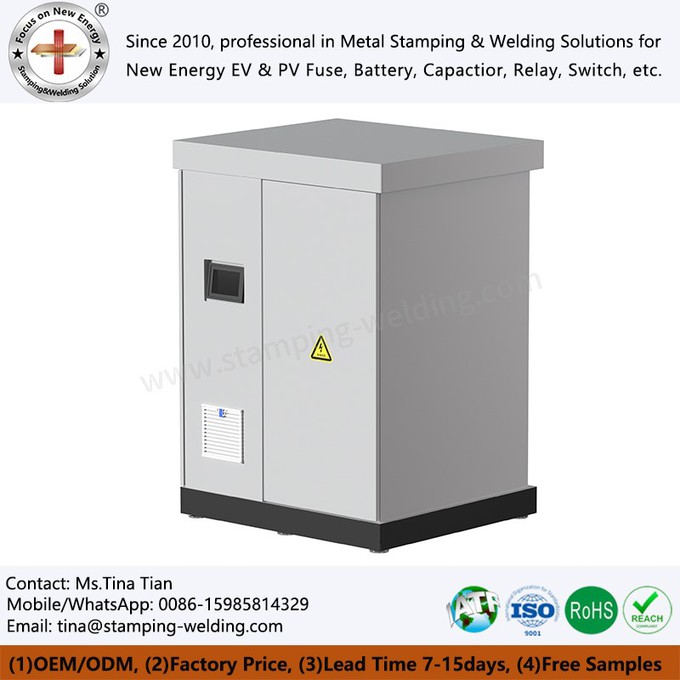
Enterprises can choose their application models based on their own conditions and power grid policies. The core models are as follows: Peak and valley arbitrage model. This is the most basic and widely used model. Enterprises charge energy storage during the off-peak hours of the power grid (low electricity prices), discharge it for their own use during peak hours (high electricity prices), and directly earn the price difference. This model is suitable for most industrial and commercial enterprises with significant peak and valley differences in electricity prices, and is the core source of income for Commercial Energy Storage projects.
Supporting distributed photovoltaic. The combination of energy storage and photovoltaic systems can store the excess power generated by photovoltaic power at noon and transfer it to peak use in the evening, greatly increasing the proportion of self-consumption of photovoltaic power and improving the overall rate of return of the project. This model is a common form of building off-grid or grid-connected Microgrid energy storage for industries.
Participate in electrical ancillary services. Industrial Energy Storage systems with high access levels and large capacity can accept grid dispatching and obtain service fees by providing auxiliary services such as frequency modulation, peak shaving, and demand response. This part of the income may become an important profit supplement for the project in some areas, but it requires higher system performance and control.
Improve power supply reliability. In the event of a power grid failure, energy storage can be used as a backup power source for seamless switching, providing continuous power for critical loads and ensuring uninterrupted production operations. For semiconductor, precision processing and other companies, the value of avoiding production shutdown losses may exceed the benefits of electricity bill savings.
contact us
Our company has been deeply involved in the field of Commercial and Industrial storage systems for many years, focusing on providing enterprises with full-cycle services from solution design, equipment integration to grid-connected operation. Welcome to contact us to get a free preliminary evaluation report, so that every kilowatt hour of electricity can create maximum value for you.