


Panoramic analysis of Battery energy storage technology: from principle to application
Apr 29, 2026
As the core component of the modern energy system, energy storage batteries are essentially a device that converts electrical energy into chemical energy storage and releases electrical energy on the demand side. Its working principle is based on electrochemical redox reactions, and energy circulation is achieved through the migration of ions between the positive and negative electrodes. As the global energy transformation accelerates, energy storage batteries not only play a key role in ensuring a stable energy supply, but also profoundly affect the vigorous development of the new energy industry.
Working principle and main types
Energy storage batteries are based on ion migration between internal positive and negative electrodes, and their performance varies significantly depending on the chemical system. Lead-acid batteries: mature technology, low cost, and high safety, but have low energy density and heavy metal pollution problems. Currently, they are mostly used in backup power supply scenarios that do not require high energy density. Lithium-ion battery: With its high energy density and long cycle life, it has become the current mainstream modular Smart energy storage system technology and is widely used in electric vehicles and portable electronic devices. Its safety relies on sophisticated thermal management and battery management systems.
Nickel-metal hydride battery: As an environmentally friendly battery, it has good low-temperature performance, but there is a certain memory effect and cost pressure, and its application range is relatively limited. Sodium-ion battery: As an emerging technology, it has significant potential cost advantages due to its abundant sodium resources. Its safety and low-temperature performance have also attracted much attention, and it is one of the strong competitors for large-scale industrial High-capacity home battery in the future.

Core application areas
The application of energy storage batteries is being deeply integrated into all aspects of energy and transportation. Power system: It plays the role of "peak shaving and valley filling" in the power grid and smoothes the output fluctuations of the solar photovoltaic energy storage system, effectively improving the power grid's ability to absorb renewable energy and operating stability. Transportation: As the power heart of electric vehicles, high-energy-density batteries are the key to improving cruising range. At the same time, braking energy recovery can also be achieved in rail transit to improve energy efficiency.
Backup power and distributed energy: Provide reliable backup power for key facilities such as communication base stations. On the user side, a hybrid solar energy storage system combined with photovoltaics can realize the spontaneous self-use and optimal management of household energy. For example, high-capacity household batteries can significantly improve the autonomy of electricity consumption.
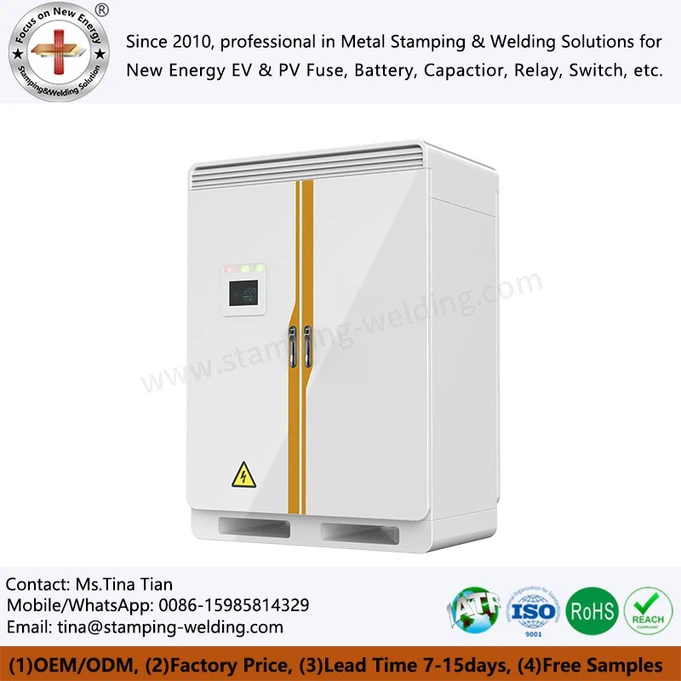
Industrial and commercial and microgrids: For commercial and industrial power needs, Scalable energy storage systems for industry and commerce can effectively reduce electricity costs and participate in demand response. Industrial microgrid energy storage solutions for factory campuses can integrate a variety of distributed energy sources to improve energy supply reliability and economy.

Challenges and prospects
Despite its rapid development, the energy storage industry still faces three major challenges: cost, safety and recycling. In the future, technology will evolve towards higher energy density, longer life, higher safety and lower cost. Cutting-edge technologies such as solid-state batteries promise breakthroughs. At the same time, the integration with digital technology will greatly improve the intelligent management level of energy storage systems. Intelligent and modular smart energy storage systems will become standard configurations in the future. Through a stackable home energy storage design, users can flexibly expand capacity to meet growing needs. Similarly, by adopting a modular industrial and commercial energy storage architecture, enterprises can smoothly upgrade capacity according to actual load growth. This scalable energy storage concept enables customized and efficient solutions for all types of solar photovoltaic energy storage systems from homes to factories.
contact us
We focus on providing advanced Battery energy storage solutions, covering all scenarios from homes to industrial and commercial needs. We are committed to building a clean, efficient, and independent energy future for every customer through innovative smart energy storage system technology.


