Causes of Lifespan Degradation in Household Energy Storage and Optimization Methods for Long-term Operation and Maintenance
Jul 24, 2026
As the adoption of Household Energy Storage continues to rise, most users face issues such as capacity degradation, performance decline, and a shortened service life. Factors such as improper short-term usage, unsuitable environmental conditions, and a lack of proper operation and maintenance can significantly reduce the system's lifespan and increase replacement costs. Therefore, mastering scientifically sound usage and maintenance practices is key to extending the service life of residential energy storage systems and maximizing the long-term cost-effectiveness of energy usage.

Key Reasons for Capacity Degradation in Residential Energy Storage Systems
Improper charging and discharging practices are the primary factors accelerating equipment aging. During daily operation, practices such as over-discharging, frequent deep charge-discharge cycles, and arbitrary start-stop operations continuously degrade cell activity, leading to irreversible battery capacity loss. Furthermore, some users fail to employ professional management systems to monitor cell status in real-time; prolonged improper usage keeps the battery storage system in a state of constant overload, significantly shortening its service life.
Unfavorable temperature conditions and improper power allocation further exacerbate equipment degradation. Energy storage batteries are highly sensitive to ambient temperatures: high temperatures increase the self-discharge rate and accelerate the aging of internal chemical materials, while low temperatures raise internal cell resistance and reduce charge-discharge efficiency-with prolonged exposure to extreme temperatures directly compromising battery performance. Additionally, irregular power allocation and frequent switching between charging and discharging cause drastic fluctuations in system load, leading to continuous wear on the equipment's core components.
Key Strategies for Extending the Service Life of Residential Energy Storage Systems
Establishing a scientific system for equipment management and routine O&M is the foundation for long-term usage. Daily operations must prevent battery over-discharge and include regular, comprehensive inspections of wiring, cell status, and control systems. Integrating a high-quality Battery Management System (BMS) enables precise monitoring of cell status and prevents overcharging or over-discharging, thereby ensuring the stable operation of the residential energy storage system and slowing equipment aging.
Optimizing charging modes and power allocation strategies helps minimize operational losses. Charging should follow standard profiles to avoid issues like overheating caused by high-power fast charging or improper charging practices, thereby reducing the rate of capacity degradation. Additionally, power allocation can be fine-tuned based on remaining capacity and state of health (SOH); this reduces unnecessary charge-discharge cycling and stabilizes the operational load, meeting the requirements for the long-term performance of LiFePO4 home battery systems.
Controlling the operating environment and utilizing high-efficiency modes provides comprehensive protection for the equipment. Energy storage units should be installed in environments with stable temperatures, good ventilation, and low humidity to prevent damage to battery cells caused by extreme heat or cold. Furthermore, enabling a "pass-through" mode reduces wear and tear from frequent component start-stop cycles and optimizes electromagnetic compatibility, significantly extending the overall service life and operational stability of plug-and-play home energy storage systems.

Core R&D and Production Service Capabilities
As a new energy enterprise operating as a group, we have been deeply rooted in the electrical industry for over 30 years. Leveraging industry-leading R&D capabilities, we focus on the development, process optimization, and mass production of highly durable Household Energy Storage products. Our vertically integrated, in-house production system allows us to specifically optimize equipment structure, thermal management, and battery cell compatibility, thereby addressing-at the source-common pain points such as rapid aging, capacity degradation, and operational instability. Backed by a rigorous, standardized quality control system, our residential energy storage units offer exceptional stability and longevity, meeting the demands of long-term home operation and maintenance while supporting various customized and volume orders.
Future Trends in Lifespan Optimization for Residential Energy Storage
In the future, residential energy storage systems will evolve toward enhanced safety, smarter management, and longer lifecycles.
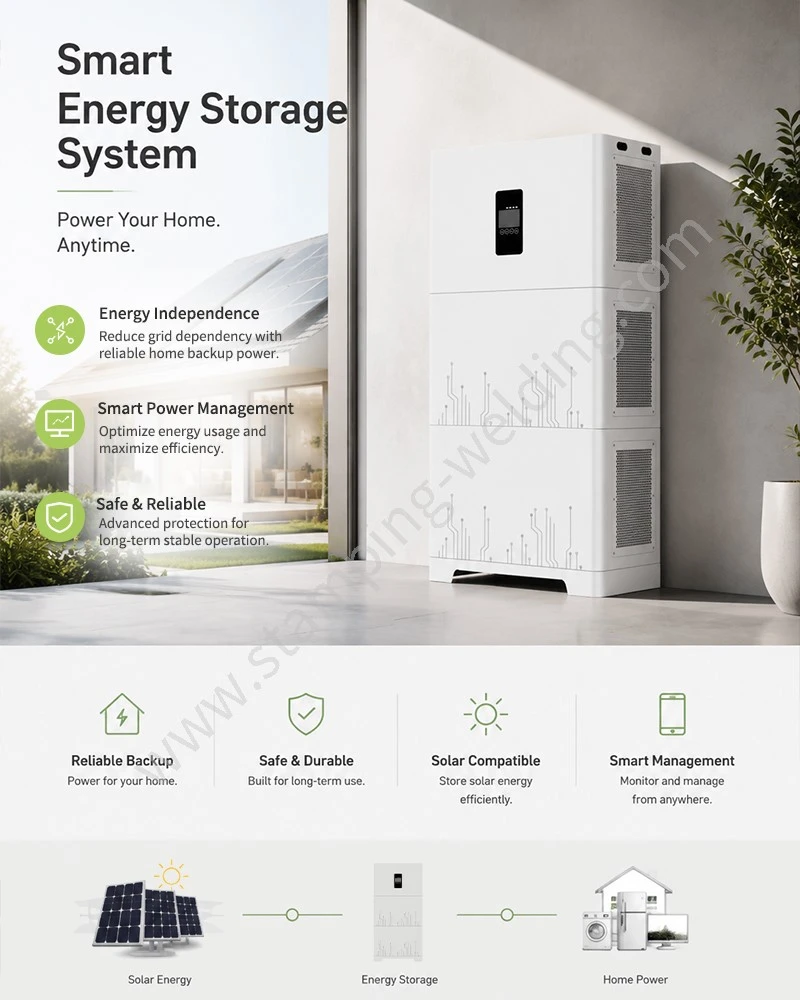
Through high-performance battery technology, intelligent energy management systems, and modular designs, home solar battery storage systems can achieve more stable, long-term operation.
Meanwhile, portable energy storage products-such as 220V portable energy storage systems-will also play a vital role in scenarios ranging from outdoor power needs to emergency backup supply.
The key to extending the lifespan of energy storage systems lies not merely in selecting high-capacity batteries, but in realizing the long-term value of the entire energy system through proper configuration, scientific management, and reliable manufacturing.
Contact Us
If you are seeking a reliable supply solution for Household Energy Storage, we can provide services ranging from battery system design and structural development to manufacturing support and technical optimization, helping clients create safe, efficient, and long-lasting energy storage solutions tailored to project requirements.