Common problems, cause analysis and solutions for cleaning Stamping 304 stainless steel
Apr 09, 2026
Excessive consumption of cleaning agents: reasons and countermeasures
During the cleaning process of Stamping 304 stainless steel, it is common for the cleaning agent to be consumed too quickly and the usage cost to be high. The main reasons are concentrated in the selection of cleaning tools and process control.
On the one hand, the mesh density of the cleaning basket is too low, resulting in a large amount of cleaning solution being carried by the workpiece when it is taken out of the basket, and the cleaning agent is severely lost with the workpiece;
On the other hand, there is insufficient drainage time after cleaning, and the residual cleaning solution in the cleaning basket cannot be effectively recovered, further exacerbating consumption. To address the above issues, the following solutions can be taken: prioritize the use of specialized cleaning baskets suitable for 304 stainless steel punching, optimize mesh density to reduce liquid carryover; At the same time, standardize the process flow, appropriately extend the drainage time, or add a cleaning solution recovery device to achieve the recycling of waste liquid, thereby effectively reducing the loss of cleaning agents.

Slow drying and surface residue: reasons and countermeasures
The slow drying speed and residual water stains or dirt on the surface of Stamping 304 stainless steel after cleaning are usually closely related to the insufficient performance of the drying equipment. Long term use of ovens or dryers can easily lead to problems such as component aging, temperature control failure, and poor hot air circulation, resulting in actual drying temperature and wind speed not meeting process requirements, and the surface moisture of the workpiece cannot evaporate quickly, thus forming residues.
The key to solving this problem lies in strengthening the daily maintenance and inspection of the equipment, regularly evaluating the operating status of the drying equipment, and promptly detecting and replacing aging components. If the equipment is severely damaged and cannot meet the normal drying requirements, it should be updated in a timely manner to ensure temperature uniformity and hot air circulation efficiency during the drying process, fundamentally eliminating the surface residue problem of Stainless steel stamped parts.
Surface fingerprint residue: reasons and countermeasures
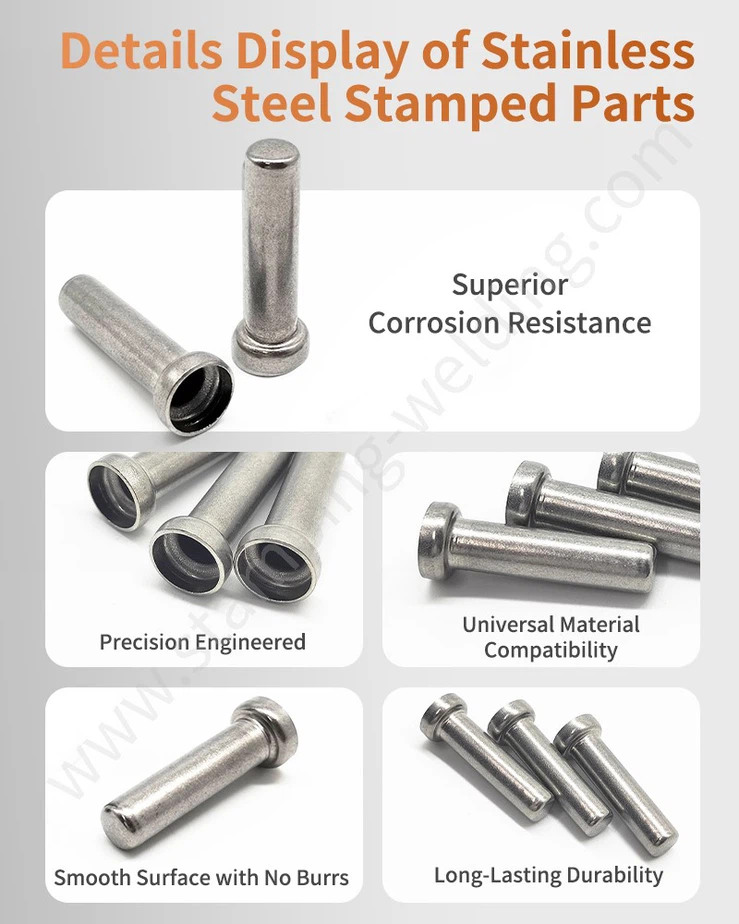
After cleaning, there are obvious fingerprint marks on the surface of OEM stainless steel stamping parts, which is a common human operation problem in the production site. The fundamental reason is that during the processing, turnover, or cleaning process, the operator directly contacts the workpiece with their bare hands, and sweat and grease adhere to the surface of the stainless steel. Conventional cleaning is difficult to completely remove, forming stubborn fingerprints.
The core of solving this problem lies in strictly adhering to operational standards and strictly prohibiting manual contact with workpieces. All processes involving workpiece contact require operators to wear specialized nitrile gloves throughout the entire process and regularly replace gloves or finger cots to prevent hand contamination from the source and ensure that the surface of Stainless steel zinc plating drawing stamping parts is clean and fingerprint free.
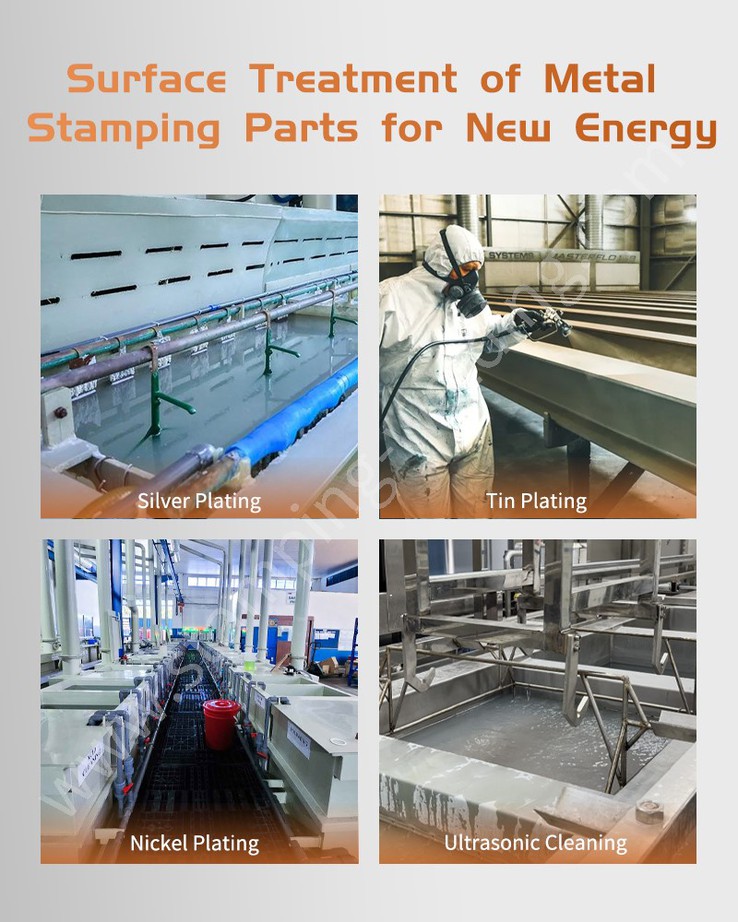
Surface white gray and white marks: reasons and countermeasures
After cleaning, white ash or white marks appear on the surface of the Stainless steel clip, which is a relatively complex cleaning defect, usually related to processing consumables, cleaning processes, and the degree of oil contamination.
The specific reasons include: firstly, the lubricating oil used in stamping processing has poor volatility and high adhesion to oil stains, which cannot be completely removed by conventional cleaning;
Second, the mold was not cleaned in time, resulting in secondary contamination of the workpiece by impurities;
Thirdly, China factory price stainless steel stamping parts contaminated with heavy oil enter the conventional cleaning process without pre-treatment, resulting in white traces of residual oil stains. To address the above issues, comprehensive measures should be taken: selecting volatile stamping oil suitable for stainless steel materials; Regularly clean the mold and replace contaminated auxiliary materials; For heavy oil contaminated workpieces, pre washing treatment should be carried out first, followed by a step-by-step cleaning process using hydrocarbon solvents to thoroughly remove surface oil stains, thereby eliminating white ash and white residues.
Contact us
If you encounter similar problems or need targeted process optimization solutions during the cleaning process of Stamping 304 stainless steel, please feel free to contact us at any time. We will provide professional technical support and solutions based on your actual production situation.