Common surface treatments and production precautions for Aluminum photovoltaic bracket accessories
Apr 09, 2026
Common surface treatment processes for Aluminum photovoltaic bracket accessories
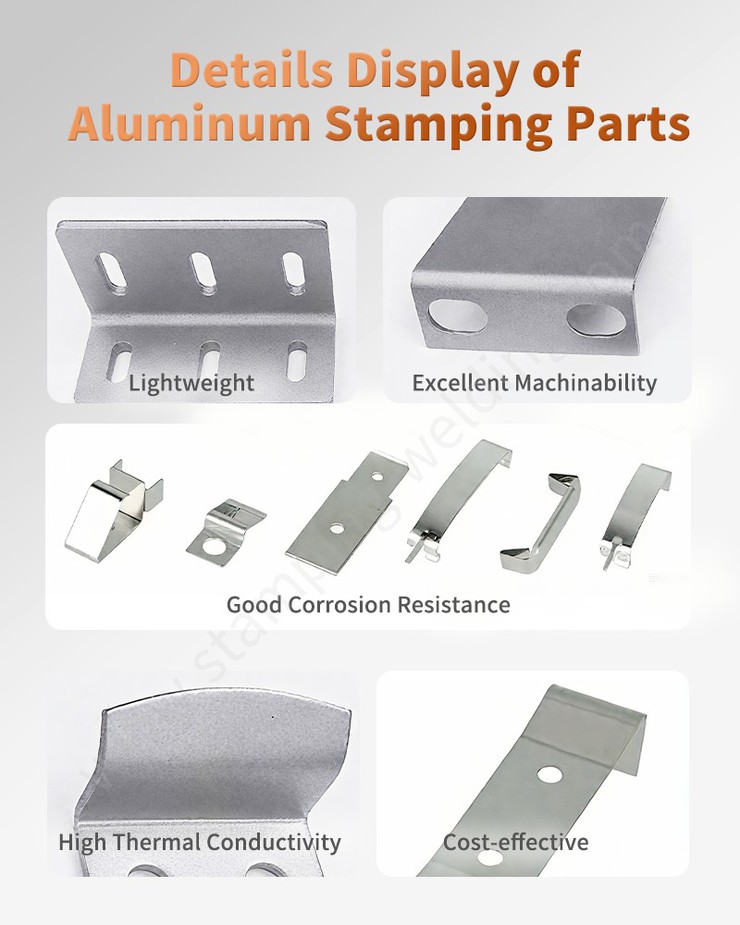
Aluminum solar middle clamp is widely used in fields such as aviation, aerospace, automotive, machinery manufacturing, shipbuilding, and chemical industry. Due to its low density, high strength, good plasticity, and strong conductivity, it has good mechanical properties. At the same time, in order to improve the appearance and other performance of the workpiece, surface treatment is usually required.
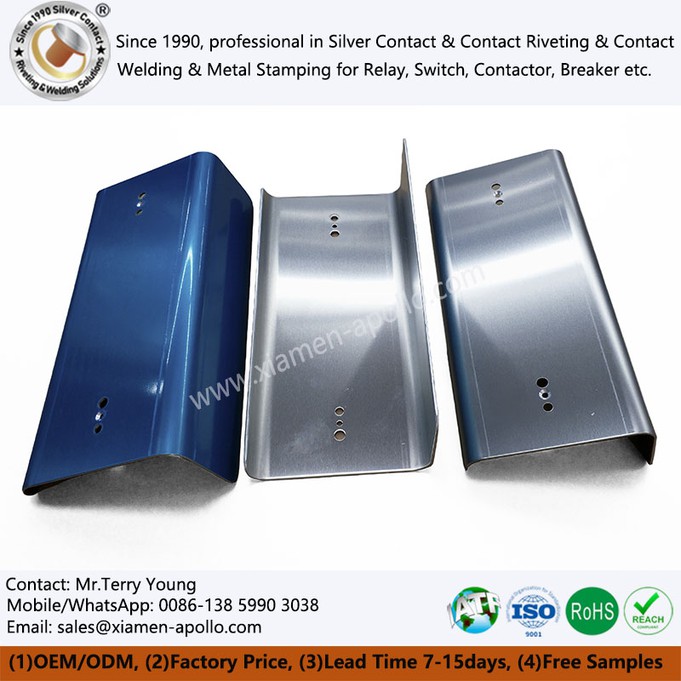
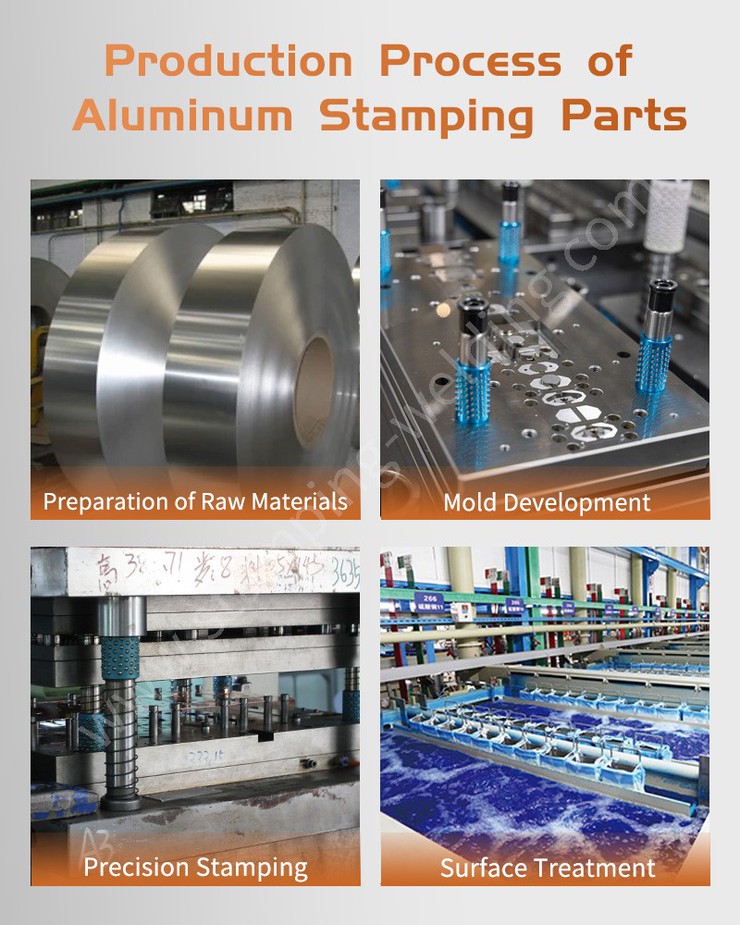
Common surface treatment methods include sandblasting, which can make the surface smoother, more beautiful, more precise, and improve the performance of the workpiece, increasing the adhesion between the Photovoltaic aluminum alloy stamping part and the coating;
Aluminum anodizing treatment can improve the wear resistance and hardness of aluminum surfaces, and obtain various surface colors through oxidation; Wire drawing treatment, mainly used for decorative purposes, common types include straight wire drawing, random wire drawing, spiral wire drawing, and thread wire drawing; Polishing treatment can make the surface of aluminum workpieces close to mirror effect, improve the grade and aesthetics of the workpiece, but the surface performance after polishing is low and easy to scratch, so careful protection is needed.
Precautions for mold design
In stamping production, Aluminum photovoltaic bracket accessories are prone to problems such as top and scratch during stamping due to their relatively soft materials, high prices, easy breakage, and some products requiring subsequent processing (such as wire drawing, anodizing, etc.). In terms of mold design, punching should be arranged at the back of the project as much as possible without affecting the number of processes. Even for products with a large number of punching, it is possible to consider setting up an additional project to arrange punching at the back. Due to the softness of aluminum material and the tendency of mold blockage, it is advisable to set the gap between the two sides with a thickness of 10% when designing the mold. A straight depth of 2 mm is more suitable for the cutting edge, and a taper of 0.8 ° -1 ° is appropriate.
Precautions for bending and forming
During the bending process, aluminum material is prone to produce aluminum shavings, causing point damage and indentation. Therefore, the aluminum raw material needs to be protected with PE film. Under the conditions of roller and electroplating, it is preferable to polish and coat the formed block with hard chromium. For Aluminum clamp hook for roof photovoltaic support that requires anodizing, if it involves flattening and pushing processes (180 °), the product cannot be fully pressed because complete pressing will cause acid discharge. A gap of 0.2-0.3mm needs to be reserved to facilitate the smooth and timely flow of acid solution. Therefore, limit blocks must be set up in such processes and the mold must be marked on the mold.
Anti cracking and key process points
Due to the brittleness and susceptibility to cracking of aluminum materials, especially in the case of reverse folding, it is advisable to avoid making pressure lines as much as possible. Even if it is necessary to press the line, it should be made wider and shallower to reduce the risk of cracking. Overall, the production of Aluminum solar panel end clamps for PV mounting systems requires precise control from multiple aspects such as mold design, molding process, and subsequent processing to ensure product quality and production efficiency.
contact us
The surface treatment of Aluminum photovoltaic bracket accessories is closely related to the production process, and different treatment methods have specific requirements for mold design, bending forming, and anti cracking measures. If you encounter any technical problems or need process optimization suggestions in actual production, please feel free to contact us at any time.