Special process requirements for Photovoltaic aluminum alloy stamping part
Apr 12, 2026
Forming and mold requirements for Photovoltaic aluminum alloy stamping part
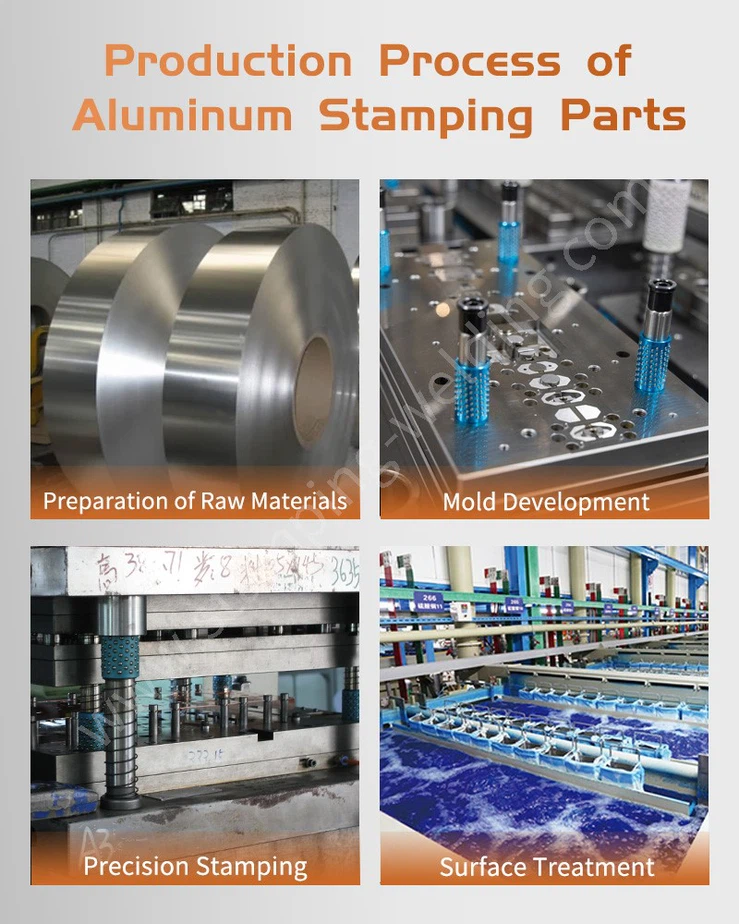
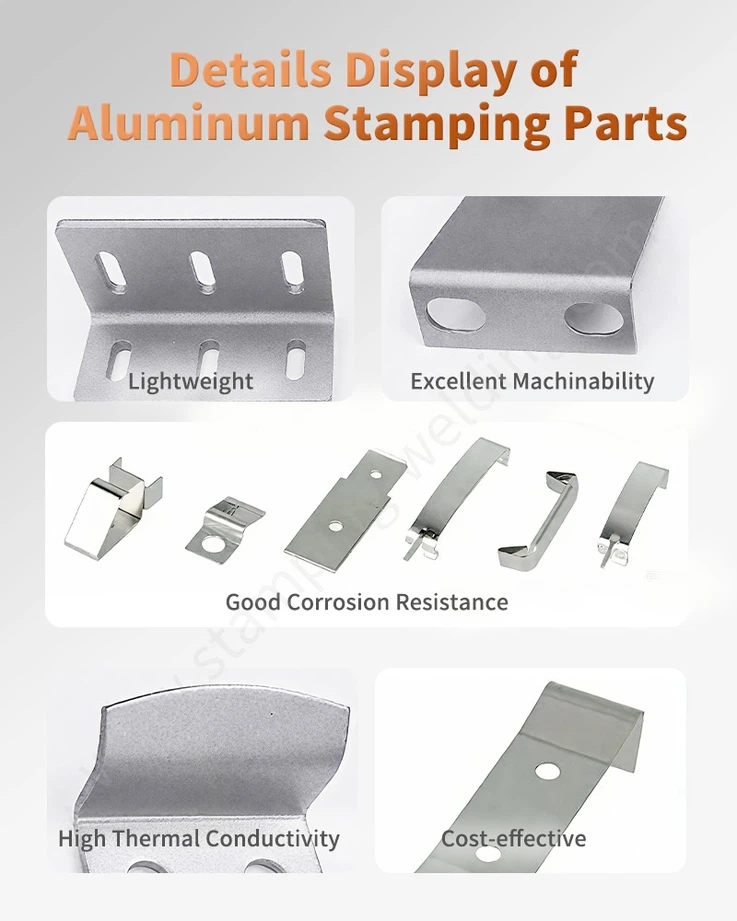
Aluminum photovoltaic bracket accessories have become the preferred material for automotive lightweighting due to their advantages of lightweight, good formability, and recyclability. The forming process of aluminum stamping parts is basically the same as that of ordinary cold plates, but there are significant differences in mold requirements: wear-resistant and anti adhesion tool steel needs to be selected, the mold gap is set at 3% -8% of the plate thickness, the fillet radius is appropriately increased to disperse stress, and surface polishing or coating treatment is carried out.
Attention should be paid to the long-term storage of Aluminum accessories for solar mounting: age hardening will reduce workability, and upper limit materials should be selected for mold making; Drawing oil is prone to volatilization, and the sheet should be used or cleaned immediately after opening and coated with oil; The surface is prone to oxidation and should not be placed outdoors.

Welding and connection process requirements
The riveting free connection of Photovoltaic aluminum alloy stamping part is formed by cold extrusion to form internal inlays, which can connect plates of different thicknesses and materials. The punching and riveting connection of aluminum stamping parts has high strength, can be visually inspected, does not require pre drilling, is sealed and corrosion-resistant, and is suitable for dissimilar materials.
The resistance welding of Aluminum alloy waterproof solar rail adopts medium high frequency technology, and the possibility of generating aluminum magnesium dust is extremely small; CMT and argon arc welding are prone to metal particle splashing and pose a risk of dust explosion, requiring special preventive measures.
Roller edge process requirements
The edge pressing force of the Aluminum clamp hook for roof photovoltaic support should not be too large, with a speed controlled between 200-250 mm/s. The pressing angle should not exceed 30 ° each time, and V-shaped pressing is not allowed. The rolling edge of aluminum stamping parts should be carried out at a room temperature of 20 ℃, and the parts retrieved from the cold storage should not be directly operated. Ordinary pressing is divided into three steps and suitable for conventional occasions; The European compression process consists of four steps and is suitable for long edge compression or defect elimination. The bottom mold and inserts of aluminum stamping parts need to be polished regularly with 800-1200 # sandpaper to prevent aluminum shavings from adhering.
Requirements for pre-treatment process before painting
The water washing passivation of Aluminum solar panel end clamps for PV mounting system can remove natural oxide film and oil stains, form a dense oxide film on the surface, and improve the adhesion between adhesive and weld. The processing flow of aluminum stamping parts is: degreasing → water washing → passivation → water washing → drying. The drying process of aluminum stamping parts takes about 37 minutes: rise to 140 ℃ for about 7 minutes, keep warm for about 20 minutes, and cool to 100 ℃ for about 7 minutes.
Contact us
Aluminum solar middle clamp has special requirements in mold, welding, roller edge, coating and other processes, and the process selection needs to be finely matched according to specific scenarios. If you encounter technical difficulties or need process optimization suggestions related to Photovoltaic aluminum alloy stamping part in production, please feel free to contact us at any time.