Continued Divergence in Technical Pathways for Residential Energy Storage Systems: Structural Characteristics and Selection Analysis of Split-Type vs. All-in-One Solutions
Nov 26, 2026
As the scale of residential photovoltaic (PV) installations grows-driven by increasing household demand for backup power, energy self-sufficiency, and peak-shaving/valley-filling (managing electricity costs based on time-of-use pricing)-residential energy storage systems are evolving from traditional, separate inverter-and-battery configurations toward highly integrated, all-in-one architectures. These different technical approaches vary in terms of system structure, installation methods, capacity scalability, environmental adaptability, and operation and maintenance (O&M). Users should make their selection based on their household's electrical load, installation conditions, and long-term energy planning.
From an industry perspective, separate and integrated systems are not merely substitutes for one another; rather, they represent distinct solutions tailored to different application scenarios. Separate systems prioritize flexibility in equipment configuration and capacity expansion, while integrated systems focus on seamless system integration, installation efficiency, and equipment synergy. Together, both approaches are driving the residential energy storage sector toward greater modularity, intelligence, and standardization.
Two Mainstream Architectures for Residential Energy Storage Systems
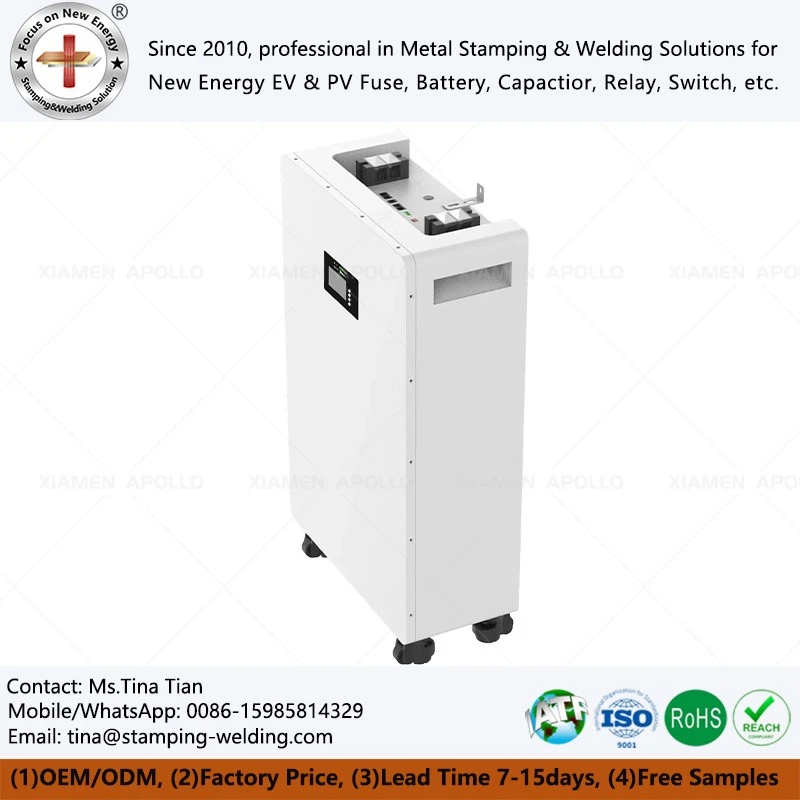
A separate (modular) residential energy storage system typically consists of an energy storage inverter, a battery pack, a battery management system (BMS), and an energy management system (EMS). The inverter handles energy conversion between PV generation, battery charging/discharging, and household loads, while the battery pack manages the storage and release of electrical energy. The individual components are installed separately and interconnected via DC cables, communication lines, and protective devices to form a complete energy storage system.
This architecture offers significant flexibility in equipment configuration. Provided that requirements for voltage ranges, communication protocols, charge/discharge currents, and BMS compatibility are met, users can select inverters and battery modules of various specifications to suit their specific needs. For users who already have a PV system, plan to increase storage capacity in stages, or may wish to upgrade their household power supply capabilities in the future, the separate-system approach provides greater configuration latitude.
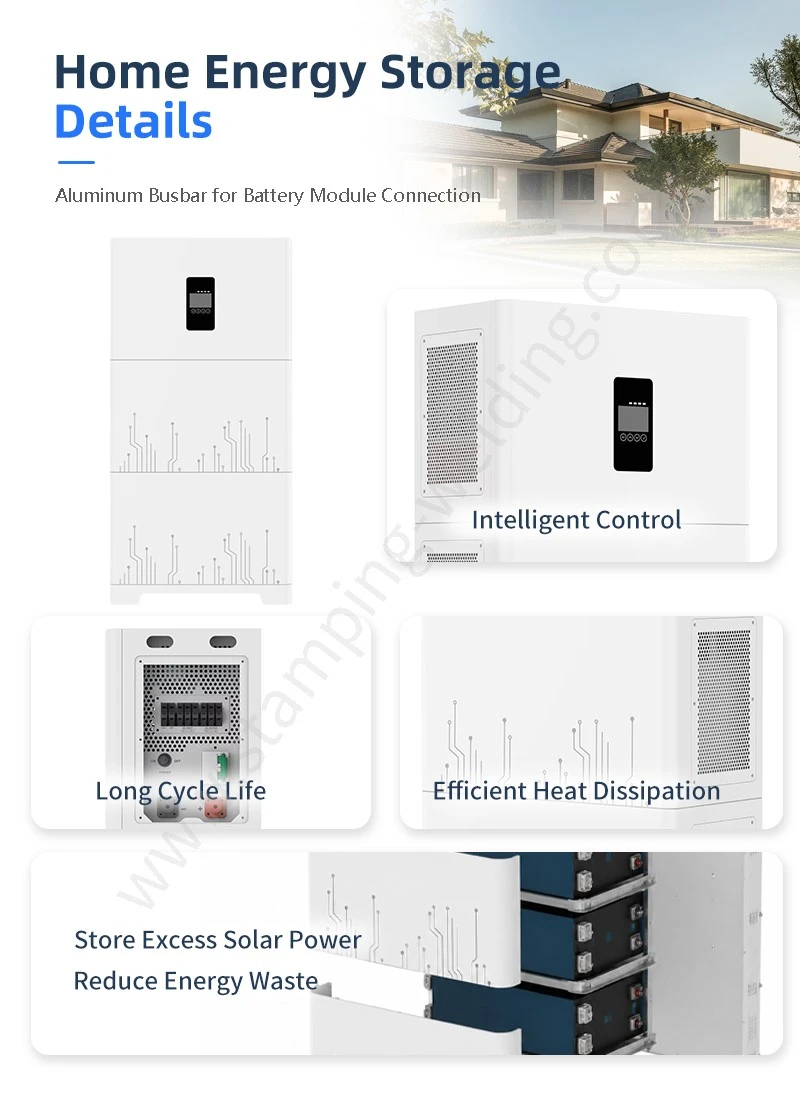
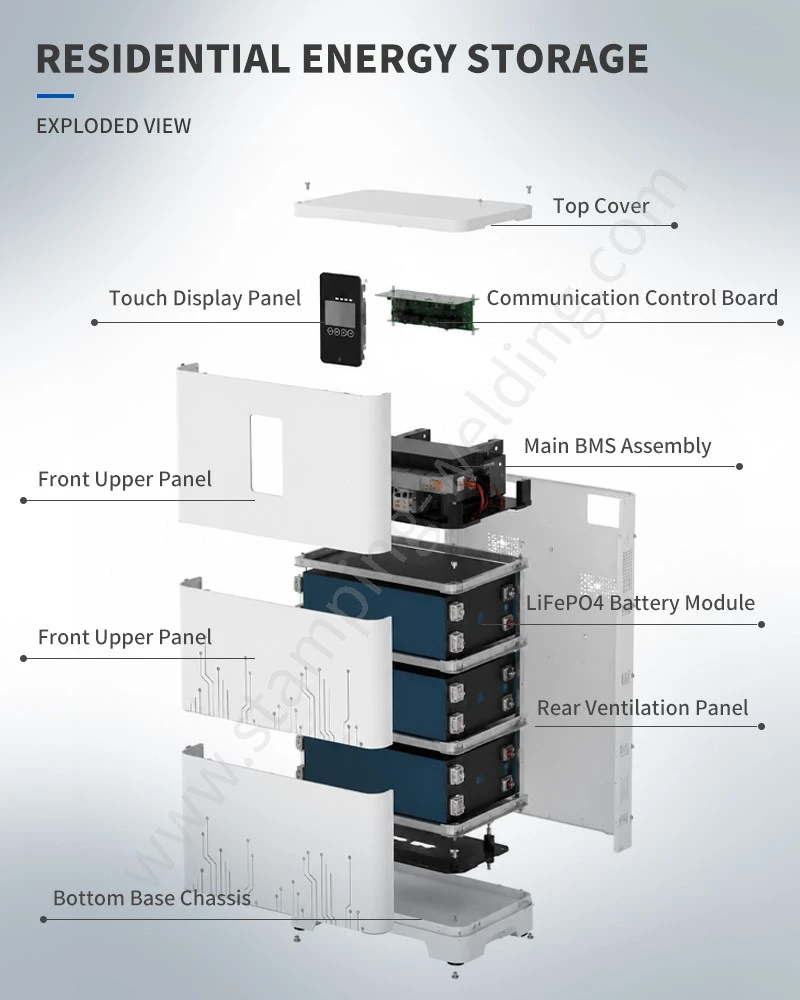
A typical separate system might combine a low-voltage battery with a hybrid inverter, with battery packs of varying capacities configured according to project requirements. For households that require long-term backup power or aim to gradually increase their energy self-sufficiency, a hybrid home energy storage system can integrate PV generation, battery storage, and grid power into a unified energy management framework. An all-in-one residential energy storage system integrates the energy storage inverter, battery modules, Battery Management System (BMS), Energy Management System (EMS), and grid-tied/off-grid switching functionality into a single, unified equipment architecture. Some products feature a vertical, stackable design, where battery modules connect to the main control unit via specialized terminals, minimizing the need for external cabling and interconnections between separate components.
This design helps shorten on-site installation time and reduces the complexity involved in equipment compatibility and system commissioning. Typically, an "all-in-one" system is developed with hardware and software designed in tandem under a single set of specifications, which minimizes the effort required to ensure communication compatibility between components from different manufacturers. However, an all-in-one design does not preclude capacity expansion; many systems allow for increased capacity by adding more battery modules or connecting multiple units in parallel-the extent of which depends on the specific product architecture and the manufacturer's technical specifications.
Key Performance Differences: Split-Type vs. All-in-One Systems
1. Installation Structure and Construction Efficiency
Split-type systems require separate steps for mounting the inverter and batteries, connecting DC cables, configuring communication, and installing protective devices. During installation, technicians must verify battery voltage ranges, cable cross-sections, connector specifications, DC-side protection, and communication parameters-a process that demands a certain level of on-site experience and system commissioning expertise.
The advantage of this approach is greater flexibility in equipment layout. The inverter and batteries can be positioned independently based on building architecture, power distribution points, and heat dissipation requirements, making them well-suited for residential projects that feature dedicated utility rooms, garages, or storage spaces.
All-in-one systems reduce the amount of external wiring through internal integration. Some products utilize a modular, plug-in structure, which simplifies the connections between battery modules, as well as between the battery and the inverter. For standardized residential projects and large-scale installations, this design enhances construction efficiency and lowers the risk of installation errors caused by improper on-site wiring.
As residential energy storage products move toward standardized delivery, "plug-and-play" functionality has become a key focus in product design. Nevertheless, even with a plug-in architecture, the system still requires proper mounting, grounding, configuration of protective measures, and grid-connection commissioning in accordance with product specifications; "plug-and-play" should not be interpreted as eliminating the need for professional installation.
2. Battery Capacity and System Scalability
Capacity expansion is a key feature of modular (split-type) energy storage systems. Because the inverter and battery packs are relatively independent, users can tailor their battery configuration based on household electricity consumption, the scale of their photovoltaic (PV) installation, and their requirements for backup power. Provided that the equipment is compatible and meets the criteria for parallel operation, system capacity and output power can be increased by adding more battery packs or connecting multiple inverters in parallel.
For instance, some low-voltage energy storage systems utilize 16 kWh-class battery modules, which can be connected in parallel to scale up total storage capacity. Such solutions are well-suited for households with high electrical loads, those anticipating future capacity upgrades, or projects that also need to accommodate small-scale commercial loads. However, the actual expansion potential is constrained by factors such as the maximum number of inverters or battery packs that can be connected in parallel, the design of the DC bus, protection configurations, and communication management capabilities.
All-in-one (integrated) systems typically achieve capacity expansion through standardized battery modules. Users can select the number of modules based on their actual load, and some systems even support the parallel operation of multiple units. Compared to modular solutions, the expansion range of all-in-one products is generally limited by the unit's overall design and specific product series; nevertheless, this modular capacity configuration is usually sufficient to meet the nighttime electricity needs and short-term backup requirements of most typical residences.
Regarding battery technology, LiFePO4 (lithium iron phosphate) home energy storage systems are widely used in residential applications due to their superior thermal stability, cycle life, and safety management characteristics. Regardless of whether a modular or all-in-one structure is chosen, battery capacity should be calculated by considering factors such as daily electricity consumption, the power requirements of critical loads, the desired duration of backup power, and the allowable depth of discharge (DoD)-rather than relying solely on the nominal energy capacity to determine if a system is appropriate.
3. Ingress Protection (IP) Rating and Environmental Adaptability
The installation environment for residential energy storage equipment directly impacts its operational stability and service life. For modular systems, the ingress protection (IP) ratings of the inverter and the battery must be considered separately. Some inverters feature high levels of dust and water resistance, allowing for installation in suitable outdoor locations; conversely, certain low-voltage battery units may have lower IP ratings and are better suited for installation in dry, well-ventilated indoor spaces with moderate temperatures.
Therefore, during the project design phase, one must not focus solely on the protection parameters of the inverter; it is also necessary to verify the battery enclosure, electrical interfaces, cable connection points, and the environmental suitability of the entire system. For residential properties lacking indoor space for equipment, split-system configurations may require additional planning for protective enclosures, shielding structures, or dedicated installation areas.
Integrated systems are typically designed with a unified protective structure. Some products feature a high overall ingress protection (IP) rating, making them suitable for installation in designated indoor or outdoor environments. However, a high protection rating does not mean that installation conditions can be overlooked; factors such as exposure to direct rain, water accumulation, intense sunlight, ventilation/heat dissipation, and space for equipment maintenance must still be considered.
In cold regions, low-temperature charging capability is a critical factor in battery selection. Some residential lithium-ion battery storage products are equipped with low-temperature heating or thermal management functions to improve performance in cold environments. When procuring such systems, it is essential to verify the allowable temperature ranges for charging and discharging, the conditions for activating the heating system, and the available capacity at low temperatures-rather than relying solely on the "minimum operating temperature" stated in product marketing materials.
4. System Compatibility and After-Sales Maintenance
In split-system configurations, components may come from different manufacturers, requiring careful alignment of communication protocols and control logic between the inverter, battery, and energy management system (EMS). Common communication interfaces include CAN and RS485. Furthermore, it is necessary to ensure compatibility regarding battery voltage ranges, charge/discharge current limits, state-of-charge (SOC) data exchange, and fault protection mechanisms.
While this architecture offers greater flexibility in equipment selection, it also increases the complexity of system integration and troubleshooting. If an anomaly occurs, the root cause must be identified by analyzing inverter alarms, battery management system (BMS) status, communication logs, and DC-side electrical parameters. Consequently, the technical responsibilities and the scope of after-sales support from each equipment supplier should be clearly defined during the system design phase.
In contrast, integrated systems-where internal components are designed and matched as a cohesive unit-generally minimize compatibility issues between different brands. Many such products offer a unified monitoring platform to track battery status, inverter operational data, and energy flow, which facilitates system maintenance and fault diagnosis. In engineering procurement, the fact that equipment comes from the same manufacturer is not, by itself, a sufficient indicator of reliability.
One must also verify the scope of system-level warranties, the warranty periods for critical components, software upgrade mechanisms, fault response protocols, and the procedures for replacing battery modules. Comprehensive technical documentation and a robust after-sales service system are essential prerequisites for the long-term, reliable operation of an energy storage system.
5. Initial Investment vs. Full Life-Cycle Cost
Split-type (modular) systems can offer a cost advantage in certain small-capacity applications-particularly when a user already has a suitable indoor installation space or can leverage existing inverters and power distribution infrastructure, thereby avoiding redundant equipment purchases.
However, a thorough cost analysis must also account for the cabling between the battery and inverter, protective devices, mounting hardware, labor, system commissioning, and ongoing maintenance. For projects involving complex equipment layouts or requiring modifications to the installation environment, the actual total investment may exceed what is suggested by the equipment price alone.
Integrated (all-in-one) systems typically feature a higher level of integration. While their upfront purchase price may be higher than that of comparable split-type solutions, they require less external wiring and fewer on-site construction steps, which helps control costs related to labor and auxiliary materials. Furthermore, if the unit is rated for outdoor installation, it may eliminate the need to construct a dedicated equipment room or protective enclosure.
Consequently, the cost evaluation for residential power systems should be based on the full life cycle, taking into account factors such as equipment procurement, installation, operational efficiency, battery degradation, maintenance/replacement, and warranty coverage. For long-term residential energy storage projects, system efficiency and ease of maintenance are key determinants of the final return on investment (ROI).
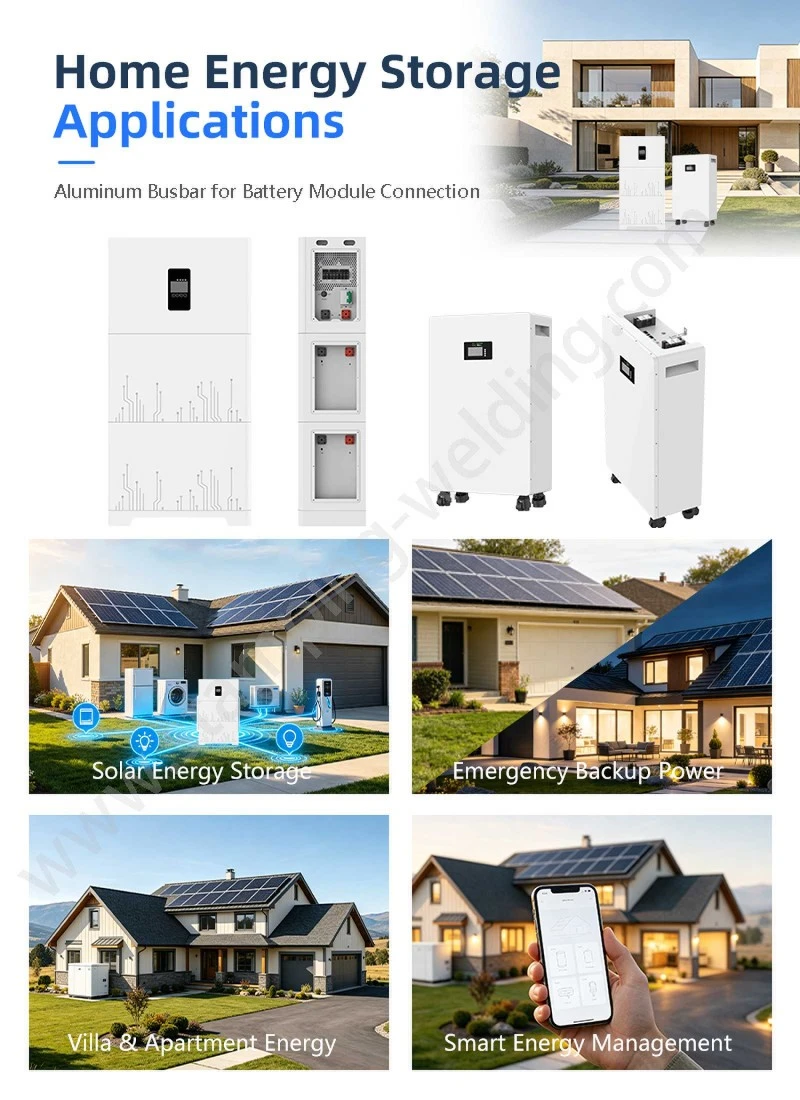
Selecting Energy Storage Systems for Various Residential Scenarios
Split-type systems are better suited for residential projects that demand greater flexibility in capacity expansion and equipment configuration. For instance, owners of large homes or villas, households with high energy loads, or those planning to add high-power loads-such as electric vehicle (EV) charging stations or heat pumps-should prioritize evaluating a split-type architecture.
For users who have already installed a photovoltaic (PV) system and wish to increase their battery capacity incrementally, a split-type solution also offers a more flexible upgrade path. Before making a purchase, it is essential to verify that the inverter supports the specific battery model, that the battery configuration (including parallel connections) meets current and communication requirements, and to determine whether future system expansion would necessitate replacing the main control unit.
An all-in-one (integrated) system is better suited for typical households, residences with limited installation space, and users who prefer to minimize the complexity of equipment configuration and maintenance. For projects where a dedicated equipment room is unavailable, where energy storage units must be installed outdoors, or where capacity is intended to be increased incrementally through modular stacking, the structural design and environmental adaptability of an "all-in-one" residential energy storage system should be carefully evaluated.
In photovoltaic (PV) applications, a residential lithium-ion energy storage system can store surplus energy generated during the day to power household loads at night or during periods of insufficient PV generation. Users primarily focused on "self-consumption" should prioritize usable battery capacity, inverter conversion efficiency, and energy management strategies. Conversely, users primarily focused on backup power during outages should prioritize off-grid output power, switching time, the ability to support critical loads, and the duration of backup operation.
It is important to note that portable energy storage devices differ from stationary residential energy storage systems in terms of design objectives and intended applications. A 220V portable energy storage system is generally designed for temporary power supply, outdoor use, or emergency scenarios; it cannot be equated to a stationary system capable of full grid-tied/off-grid switching and comprehensive household power distribution management. Users should select the appropriate type of equipment based on their specific needs.
Key Technical Specifications to Verify When Purchasing Residential Energy Storage
Regardless of whether you choose a modular (split-type) or an all-in-one (integrated) system, the procurement phase should involve a technical assessment based on your actual load requirements and installation conditions.
First, it is necessary to distinguish between a battery's nominal capacity and its usable capacity. Since products vary in terms of depth of discharge (DoD), state-of-charge (SOC) control ranges, and battery management strategies, the nominal capacity (in kWh) should not be the sole metric for determining actual power supply capability. For LiFePO4-based residential energy storage systems, one should also carefully examine cell specifications, test conditions for cycle life, operating temperature ranges, BMS (Battery Management System) protection features, and the methods used to ensure battery cell consistency. Next, it is essential to verify the inverter's rated power, maximum PV input power, MPPT operating range, AC output parameters, and its capability for both grid-tied and off-grid operation. The selection of a residential energy storage inverter must align with the PV module configuration, battery voltage range, and the characteristics of household loads-with particular attention given to the instantaneous power demand during the startup of inductive loads, such as air conditioners or water pumps.
Furthermore, the system's safety design must be examined, including DC overcurrent protection, short-circuit protection, over-temperature protection, insulation monitoring, grounding methods, and battery thermal management. For outdoor installations, it is also necessary to confirm the equipment's ingress protection (IP) rating, corrosion resistance, operating temperature and humidity ranges, and requirements for the installation foundation.
In addition, the functionality of the energy management system (EMS) should not be overlooked. Robust hybrid residential solar-plus-storage systems typically support features such as PV-priority or load-priority modes, battery charge/discharge control, grid-feed power management, and backup power strategies. In regions with time-of-use (peak/off-peak) electricity pricing, the system's charge/discharge scheduling and overall economic viability should be evaluated in the context of local tariff policies and grid-connection requirements.
The Trend Toward Modularity and System Integration in Residential Energy Storage
As the adoption of residential PV and distributed energy resources continues to grow, residential energy storage products are evolving along two parallel paths. On one hand, modular (split-type) systems allow for independent upgrades of inverters, batteries, and energy management components, catering to the unique configuration needs of individual households. On the other hand, integrated (all-in-one) systems utilize structural integration, modular battery units, and unified control platforms to reduce installation complexity and enhance product standardization.
Moving forward, competition in the energy storage sector will extend beyond mere battery capacity and power output. It will increasingly focus on system conversion efficiency, battery safety management, low-temperature performance, remote monitoring, seamless switching between grid-tied and off-grid modes, and full-lifecycle service capabilities. For manufacturers, critical factors influencing product quality will include battery module architecture, connector reliability, thermal management design, enclosure protection, and electrical interconnection techniques.
Given the significant variations in electricity consumption patterns, building conditions, and energy planning across different households, there is no "one-size-fits-all" solution-neither split-type nor integrated systems are universally applicable to every user. Split-type systems designed with a greater emphasis on openness offer more room for future expansion, whereas all-in-one (integrated) units prioritize a high degree of integration and ease of installation. Determining the most appropriate technical approach requires aligning equipment specifications with the specific requirements of the actual application.
For manufacturers of residential energy storage equipment, system integrators, and procurement teams, it is advisable to clarify the following requirements-relevant to the target market-early in the development or procurement process for Residential Solar Energy Storage Systems: grid standards, installation environment, battery capacity, inverter power, communication protocols, and certification requirements.
In cases involving customized components-such as battery enclosures, metal structural parts, conductive connectors, or electrical assemblies-providing product drawings, material specifications, dimensional tolerances, structural designs, and projected procurement volumes will facilitate the assessment of manufacturing processes, sample validation, and feasibility analysis for mass production. This, in turn, enhances both the structural reliability of the energy storage equipment and its overall system compatibility.
contact us